Why Dating App Algorithms Matter More Than Ever
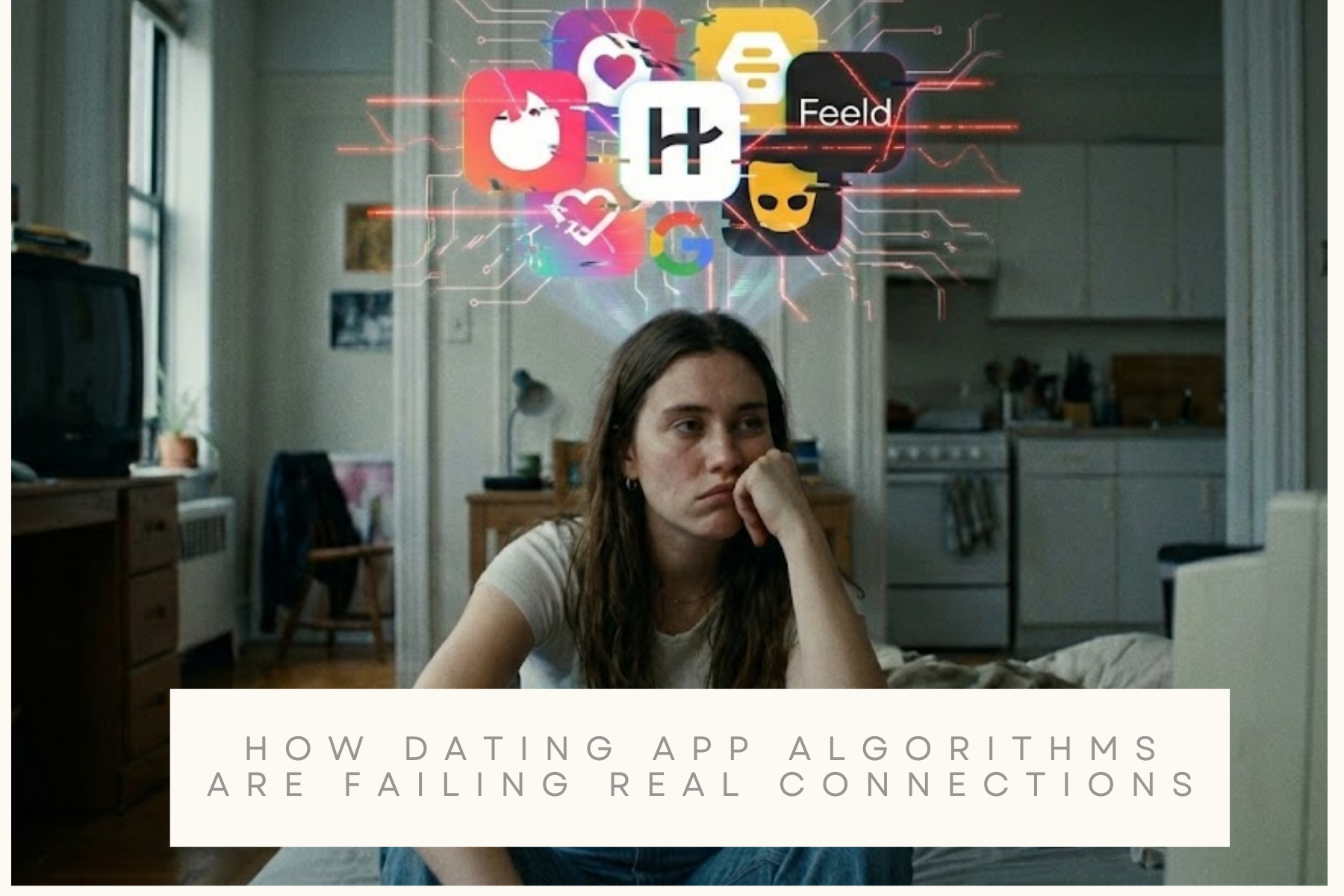
Dating app algorithms shape who you see, how often your profile appears, and the type of matches you receive. While these systems aim to improve efficiency, they often prioritize engagement over compatibility. This leads to repetitive matches, low quality interactions, and growing frustration among users. Understanding dating app algorithms helps users navigate modern dating more effectively.
Dating app algorithms now act as the gatekeepers of modern relationships. Every swipe, match, and message is influenced by invisible systems that decide who gets visibility and who does not. This means your romantic opportunities are no longer random. They are curated.
These systems determine how often your profile appears, who sees it, and which profiles you are shown. As a result, even small behavioral signals can significantly impact your experience. For example, users who swipe quickly or interact frequently are often rewarded with more exposure, while selective users may see fewer matches.
The emotional impact of this system is significant. According to Pew Research, 53 percent of users say dating apps feel exhausting, while many also report that matches do not reflect what they are truly looking for. This disconnect highlights a critical issue. The design of dating app algorithms directly affects user satisfaction and trust.
Understanding how these systems work is no longer optional. It is essential for navigating modern dating effectively.
How Dating App Algorithms Actually Work
Most dating app algorithms rely on a combination of behavioral and engagement signals to recommend matches. While each platform has its own variation, the core mechanics are surprisingly similar.
Key factors include:
- Swipe behavior and speed
- Match frequency
- Response rate
- Profile popularity and engagement
These signals help the system predict what keeps users active. The more time you spend swiping, liking, or chatting, the more data the algorithm collects. Over time, it builds a profile of your preferences and adjusts your feed accordingly.
However, this is where the problem begins. Instead of focusing on compatibility, these systems are primarily designed to maximize engagement. In other words, they are optimized to keep you using the app, not necessarily to help you leave it with a meaningful connection.
This explains why why dating app algorithms fail is becoming a common question among users. The system learns what you do, but not always what you truly want.
As a result, matches may look relevant on the surface but fail to translate into real conversations or emotional connection. This helps explain why dating app matches rarely turn into conversations, even when the algorithm suggests compatibility.
If you want to create a profile that truly reflects your personality and increases your chances of meaningful matches, the Hullo AI Bio Generator can help you get started in seconds: hullo.dating/ai-bio-generator
Why Dating App Algorithms Fail Real Connections
Dating app algorithms fail because they prioritize user activity and engagement over emotional compatibility, leading to repetitive matches and low quality conversations.
The core issue behind dating app algorithms is the trade off between engagement and compatibility. While users are looking for meaningful connections, platforms are often optimizing for activity.
Highly active users tend to receive more visibility. They appear in more feeds, get more matches, and continue to dominate the system. On the other hand, users who are more selective or intentional may be shown less frequently. This creates an imbalance where visibility is not based on compatibility, but on behavior.
The result is a cycle of low quality matches. You may match with people who are popular but not responsive, or who are active but not aligned with your interests. According to insights from Match Group, younger users, especially Gen Z, report increasing levels of burnout due to repetitive interactions and lack of meaningful outcomes.
Ultimately, the system is not broken. It is simply misaligned with what users actually want. There is a clear gap between human emotional needs and algorithmic priorities. A deeper breakdown of this issue can be found in this analysis of why dating apps feel fake in 2026 and how Hullo is building real connections.
The Repetitive Loop Created by Dating App Algorithms
One of the most common frustrations users experience is seeing the same type of profiles over and over again. This is not random. It is a direct result of how dating app algorithms reinforce patterns.
When you interact with certain types of profiles, the system learns from that behavior. It then continues to show you similar profiles, assuming that this is what you prefer. Over time, this creates a loop where your options become increasingly narrow.
For example, if you tend to swipe quickly on profiles that match a certain appearance, the algorithm may prioritize similar profiles in your feed. While this may seem efficient, it reduces diversity and limits genuine discovery.
This repetitive cycle is one of the reasons many users feel stuck. The experience becomes predictable, and matches feel less exciting over time. Over time, this repetitive loop contributes directly to dating app fatigue and declining engagement.
Breaking out of this loop requires both awareness and intentional behavior.
Algorithm Fatigue and Emotional Burnout
Algorithm fatigue is not just a feeling. It is a measurable psychological effect.
When users are exposed to constant micro decisions, such as swiping left or right, their cognitive resources become depleted. This phenomenon is known as decision fatigue. Over time, it reduces the ability to evaluate choices carefully and decreases emotional engagement.
A study from Stanford University found that excessive digital interaction can lower attention and emotional investment. In the context of dating apps, this means users are less likely to put effort into conversations or form meaningful connections.
The impact goes beyond the app. Users may feel less motivated, less confident, and more disconnected from the dating process. Ghosting becomes more common, not necessarily because of bad intentions, but because users are mentally exhausted.
Understanding this effect is important. It shows that the problem is not just about algorithms. It is also about how humans respond to them.
What Data Reveals About Dating App Algorithms
Real data provides a clearer picture of how dating app algorithms influence behavior and outcomes.
According to Hullo internal insights, users who start conversations with personalized opening messages receive up to three times more replies compared to those who use generic greetings. This highlights a critical point. Visibility alone does not guarantee success.
There is a clear difference between passive and intentional users. Passive users rely heavily on the algorithm, expecting matches to lead to conversations automatically. In contrast, intentional users actively shape their interactions by sending thoughtful messages and engaging meaningfully.
The insight here is simple but powerful. Dating app algorithms influence who you meet, but your behavior determines what happens next. However, even strong matches can fail, which is why dating app matches rarely turn into conversations in many cases.
This means improving your results is not just about “beating the algorithm.” It is about working with it in a smarter way.