

Dating fatigue can appear before a conversation even begins.
Have you ever opened a dating app, looked at a few profiles, and felt tired right away?
Have you ever wondered why finding a relationship sometimes feels harder than it should?
Modern dating makes it easier than ever to meet new people. With only a few taps, anyone can connect with potential partners. However, many singles feel less excited and more exhausted. Instead of enjoying the experience, they often deal with ghosting, endless swiping, repetitive conversations, and disappointing outcomes.
According to findings from the Pew Research Center, many online daters report frustrating experiences. In addition, negative interactions remain common across dating platforms. As a result, what starts as excitement can slowly turn into emotional exhaustion.
Because of this, many people begin asking whether are dating apps a waste of time. After all, matching with people feels much less rewarding when conversations rarely lead anywhere meaningful.
However, dating itself is not always the problem. More often, the issue is burnout. When people invest time, effort, and hope without seeing results, emotional fatigue naturally follows.
Understanding dating fatigue can help you spot the warning signs early and build a healthier approach to modern dating.
Dating fatigue is the emotional and mental exhaustion that develops after repeated dating disappointments, endless swiping, ghosting, or unsuccessful relationships. Common signs include low motivation, frustration, emotional numbness, and reduced interest in meeting new people.
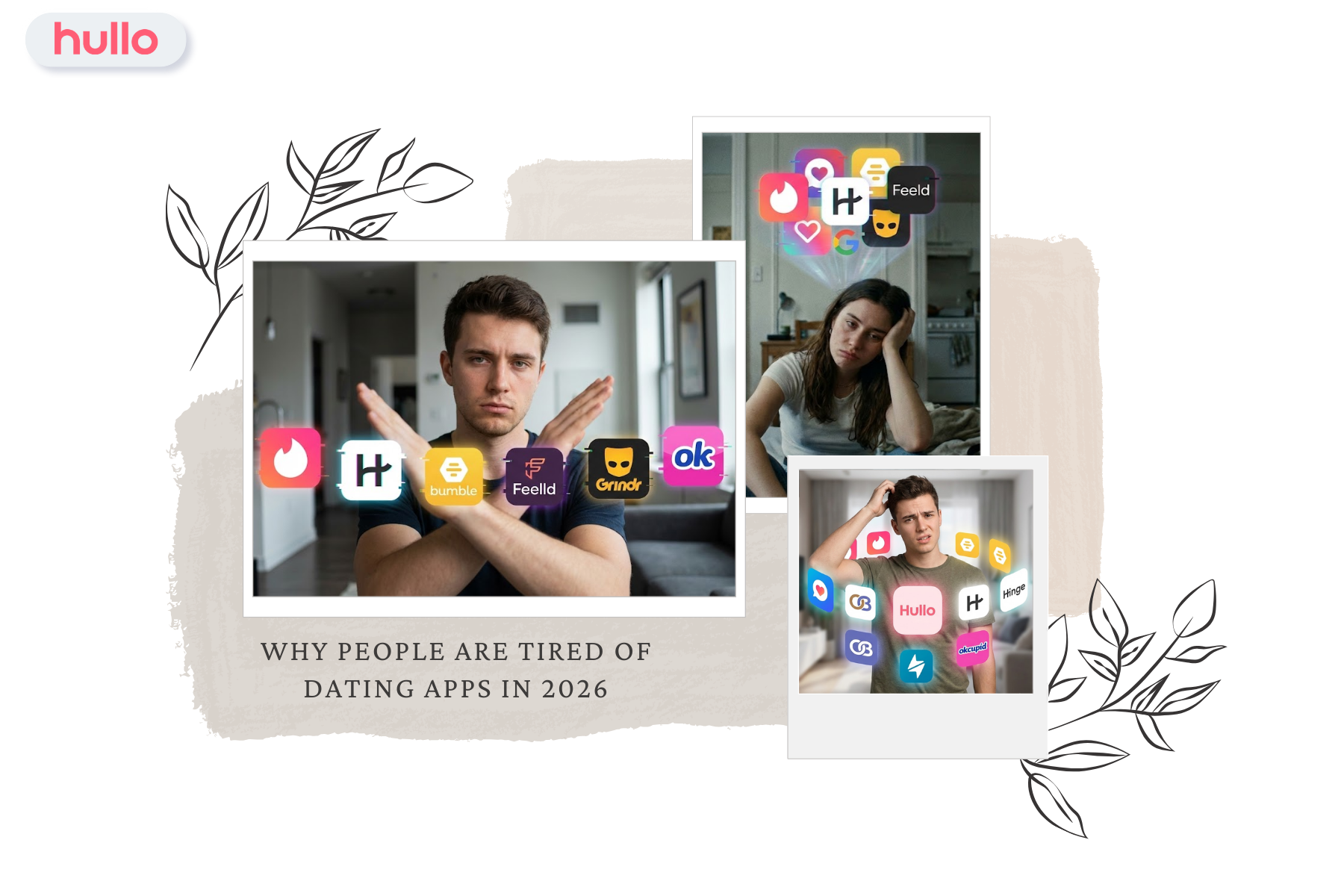
What Is Dating Fatigue?
A Simple Definition
Dating fatigue is a form of emotional burnout caused by repeated dating experiences that fail to meet expectations.
Unlike a single bad date, this feeling builds over time. People still want connection. However, they become less enthusiastic about the process of finding it.
Many users describe it as feeling emotionally tired, mentally drained, or disconnected from dating altogether.
Common symptoms include:
- Low motivation to meet new people
- Less excitement about matches
- Emotional exhaustion after conversations
- Frustration with dating apps
- Desire to avoid dating for a while
Although dating fatigue is often associated with dating apps, it can affect anyone who spends long periods navigating modern relationships.
Dating Fatigue vs Normal Dating Frustration
Not every disappointing experience leads to burnout.
The key difference is duration.
| Dating Frustration | Dating Fatigue |
|---|---|
| Temporary disappointment | Ongoing exhaustion |
| Short-term frustration | Long-term disengagement |
| Motivation remains | Motivation declines |
| Easy recovery | Difficult recovery |
For example, one unsuccessful date may feel disappointing.
By contrast, months of ghosting, failed conversations, mixed signals, and unmet expectations can create a much deeper emotional response.
Eventually, people stop feeling disappointed by individual experiences. Instead, they feel tired of dating as a whole.
Research on decision fatigue from the American Psychological Association helps explain why repeated choices and repeated disappointment can reduce motivation over time.
This is when dating fatigue becomes more than a temporary setback. It becomes an ongoing emotional burden.
Common Warning Signs
Recognizing dating fatigue early can help prevent deeper burnout.
Many people assume they simply need better matches. In reality, they may already be emotionally exhausted.
You Feel Unmotivated to Meet New People
One of the clearest signs of dating fatigue is a lack of motivation.
You may still want a relationship. However, the thought of starting another conversation feels tiring rather than exciting.
As a result, you postpone replying to messages or avoid opening dating apps altogether.
When Dating Starts Feeling Like Work
Dating should involve curiosity and excitement.
When dating fatigue develops, the experience starts to resemble work.
Instead of looking forward to interactions, users often feel obligated to participate.
Consequently, dating becomes another task on a growing to-do list.
You Swipe Without Interest
Many users continue swiping even after losing genuine interest.
The behavior becomes automatic.
Rather than evaluating profiles thoughtfully, they swipe out of habit.
This pattern often signals emotional disengagement rather than active participation.
Conversations Feel Repetitive
Another common symptom is conversational boredom.
Many chats begin with the same questions.
The same introductions appear repeatedly.
The same outcomes often follow.
Because of this repetition, users struggle to feel emotionally invested.
You Feel Emotionally Drained After Dating
Perhaps the strongest sign of dating fatigue is emotional exhaustion.
Instead of feeling energized after a date or conversation, you feel depleted.
Even positive interactions may require more emotional effort than before.
Real-Life Example
Consider a typical progression:
- Excited about dating
- Frequent dating app usage
- Growing frustration
- Reduced enthusiasm
- Emotional withdrawal
- Complete disengagement
Many users reach this stage after months of shallow interactions and disappointing outcomes.
This experience also helps explain why why dating apps feel fake in 2026 and how Hullo is building real connections resonates with so many frustrated users. When interactions repeatedly feel superficial, emotional exhaustion becomes much more likely.
Why Dating Fatigue Is Becoming More Common
Endless Choice Creates Mental Overload
Modern dating offers more options than any previous generation has experienced.
At first, this seems beneficial.
More options should improve outcomes.
However, research suggests otherwise.
The well-known Choice Overload Study by Iyengar and Lepper found that excessive choice can reduce satisfaction and increase indecision.
Dating apps create this exact environment.
Users often evaluate hundreds of profiles every week.
As choices increase, mental effort increases as well.
Eventually, the brain becomes overwhelmed.
Repeated Rejection and Ghosting
Dating often comes with uncertainty. Messages may go unanswered, conversations can stop without warning, and plans sometimes fall apart. While each experience may seem small on its own, repeated disappointment can become emotionally draining over time.
In addition, ghosting removes closure. Instead of receiving a clear answer, many people are left wondering what happened. Because of this uncertainty, frustration often grows. Eventually, even motivated daters may start losing enthusiasm.
Dating Apps Never Really End
Unlike traditional dating, modern dating apps never truly stop.
Profiles keep appearing, notifications continue arriving, and new matches are always available. Because of this constant activity, many people find it difficult to disconnect.
As a result, emotional recovery becomes harder. Rather than taking breaks, users often stay engaged for longer than they intended. Over time, this ongoing cycle can contribute to dating burnout.
The Link Between Burnout and Decision Fatigue
Another reason dating fatigue continues to rise is decision fatigue.
Every swipe requires evaluation.
Every profile requires judgment.
Every conversation requires attention.
Eventually, mental energy declines.
This pattern is explored further in swiping culture and decision fatigue in modern dating.
The connection is clear:
| Dating Experience | Emotional Impact |
|---|---|
| Occasional dating | Manageable |
| Constant swiping | Higher fatigue |
| Endless evaluation | Burnout risk |
More activity does not always create better outcomes.
Sometimes it simply creates more exhaustion.
Hullo is an AI-powered matchmaking app that uses behavioral learning, interests, zodiac compatibility, and location signals to improve match quality. Instead of encouraging endless swiping, Hullo focuses on helping users discover more relevant connections. Features like First Voice allow users to hear someone’s real voice before chatting, creating a more authentic dating experience.
People Also Ask
Why are people tired of dating apps in 2026?
Because repeated swiping, shallow conversations, and emotional burnout make dating feel exhausting rather than exciting.
What is dating fatigue?
Dating fatigue is emotional exhaustion caused by prolonged dating app use without satisfying emotional results.
Can dating apps still work despite dating fatigue?
Yes. Apps that focus on compatibility, authenticity, and emotional depth can significantly reduce dating fatigue.