

Why do you match with someone on a dating app but cannot send a message right after? This is where a dating app paywall comes in. Many users go through the same experience. You swipe, you match, and you feel a spark. However, that moment is quickly interrupted when messaging is suddenly locked behind a payment screen.
A dating app paywall is now a standard part of the dating app experience. According to app economy reports and Statista data, over 70 percent of leading dating platforms restrict messaging in some way. This shift reflects a broader move toward subscription-based monetization as user acquisition costs continue to rise.
For users, this creates friction. The app promises connection, yet it blocks communication at the most important moment. Therefore, understanding how a dating app paywall works is essential if you want to navigate modern dating apps effectively.
A dating app paywall restricts messaging or communication features unless users pay. While it increases short-term revenue, it often disrupts user experience and reduces trust. Modern dating apps are shifting toward more transparent and interaction-focused models.
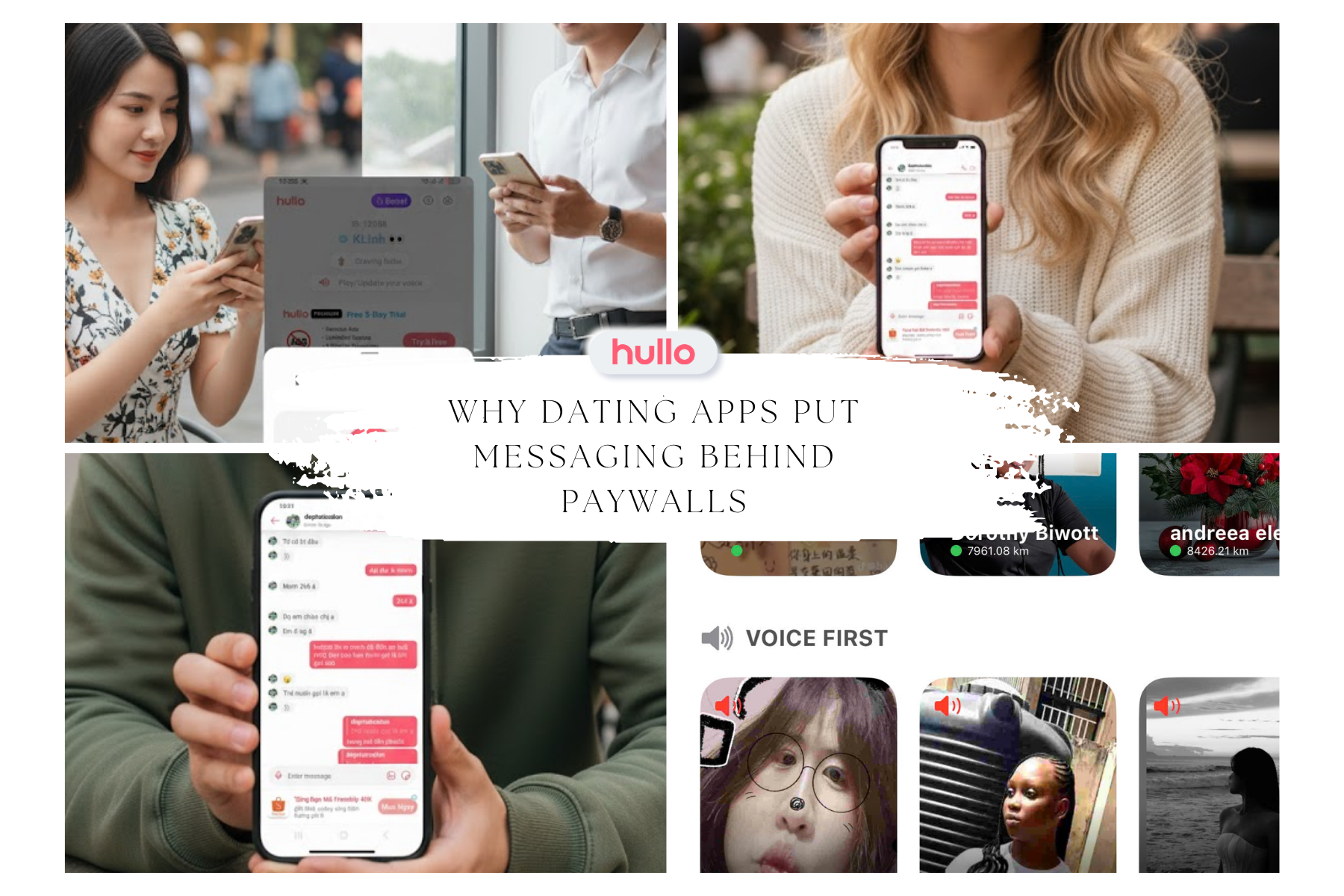
What Is a Dating App Paywall and How It Works in Practice
A dating app paywall is a monetization system that restricts messaging or communication features unless users pay. It is designed to convert user intent into revenue but can limit real interaction and reduce user trust.
A dating app paywall refers to any system that limits key actions until a user upgrades. In most cases, messaging becomes the primary restriction because it directly controls interaction between users.
There are several common types of a dating app paywall. Some apps allow users to match but block all outgoing messages unless payment is made. Others offer a limited number of free messages before requiring a subscription. In more restrictive models, users can read incoming messages but cannot reply without upgrading.
This structure is not accidental. Messaging represents the highest level of user intent. When someone wants to start a conversation, they are already emotionally engaged. As a result, placing a paywall at this point increases the likelihood that users will pay to continue the interaction.
However, while this model is effective for monetization, it often creates tension between business goals and user expectations.
Why Dating App Paywalls Exist in Modern App Business Models
A dating app paywall exists because dating apps operate under strong financial pressure. Over time, the cost of acquiring new users has increased significantly. Industry data suggests that acquisition costs rose by nearly 30 percent between 2022 and 2025. Therefore, platforms must find ways to convert users into paying customers quickly.
One major shift is the move toward subscription-based revenue. Instead of relying only on ads, apps now depend on recurring payments. A dating app paywall fits this model because it creates a clear upgrade path tied to user behavior.
Behavioral economics also plays an important role. The concept of friction-based monetization shows that users are more likely to pay when access to a desired action is restricted. Studies indicate that users can be up to 2.4 times more likely to convert when a high-intent action is blocked.
This explains why messaging is often placed behind a paywall. At the moment of matching, users experience emotional excitement and curiosity. Consequently, introducing a barrier at this stage creates urgency. That urgency increases the probability of payment.
Even so, this strategy focuses on short-term gains. It does not always align with long-term user satisfaction or retention.
How a Dating App Paywall Changes User Behavior and Experience
A dating app paywall does more than limit features. It reshapes how users feel and behave on the platform.
First, it interrupts emotional flow. When messaging is blocked, excitement quickly turns into frustration. The natural progression from match to conversation is broken. As a result, users may lose interest before interaction even begins.
Second, trust begins to decline. Many users question whether their matches are genuine or part of a system designed to encourage payment. This uncertainty reduces confidence in the platform and weakens user engagement.
Third, conversation quality decreases. When fewer users can communicate freely, interactions become less organic. Conversations feel forced rather than natural. Over time, this reduces the overall quality of connections.
Data supports these effects. Surveys show that around 61 percent of users report frustration when messaging is restricted. This frustration often comes from a mismatch between expectation and reality. Users expect connection, but they encounter barriers instead.
Because of this, many users begin looking for alternative models that prioritize interaction over restriction.
What Actually Improves Conversations Beyond Paywalls
While a dating app paywall focuses on monetization, real connection depends on user behavior and interaction quality.
According to Hullo data, users who optimize their profiles and use more personalized conversation starters achieve significantly better results. Profiles that clearly express personality and intent can increase reply rates by up to 2.3 times.
In addition, when messaging is not restricted, conversation continuation improves. Hullo data shows that free interaction environments can lead to around 40 percent higher continuation rates. This suggests that removing friction allows conversations to develop more naturally.
For example, a user who sends a thoughtful message based on shared interests is more likely to receive a response than someone using a generic greeting. Therefore, communication quality plays a bigger role than access restriction.
This insight highlights an important shift. Instead of relying on a dating app paywall to drive revenue, modern platforms are focusing on improving interaction itself.
Why Understanding Dating App Paywalls Matters More Than Ever
Understanding how a dating app paywall works is only one part of the bigger picture. The real question is how different monetization models affect user experience and long-term satisfaction.
Some apps rely heavily on paywalls, while others explore alternative approaches such as freemium access, better matching systems, or AI-driven personalization. Each model creates a different type of user journey.
If you want a deeper comparison of how these models impact real conversations, user satisfaction, and overall dating success, it helps to look beyond just paywalls and explore the full landscape of free versus paid experiences.
👉 Read more: free chat vs paid dating apps
This broader perspective makes it easier to understand which platforms align better with your expectations and how to choose the right dating experience.
When a Dating App Paywall Backfires and Starts Hurting User Trust
A dating app paywall can be effective in driving short-term revenue. However, it often creates unintended negative outcomes when implemented too early or too aggressively. One of the most common issues is early-stage friction. When users are asked to pay before they experience real interaction, many simply leave. In fact, retention studies suggest that apps with early messaging restrictions can see churn increase by up to 25 percent within the first week.
Another problem appears after payment. Some users upgrade but still fail to get meaningful matches or replies. As a result, dissatisfaction grows quickly. Instead of feeling rewarded, users feel misled. This perception damages platform credibility and reduces long-term engagement.
The core issue lies in the tradeoff between short-term monetization and long-term trust. While a dating app paywall may increase conversions initially, it can weaken user loyalty over time. Therefore, platforms that rely too heavily on restrictions often struggle to maintain sustainable growth.
The key insight is simple. Trust matters more than monetization. If users feel blocked instead of supported, they are less likely to stay, regardless of how effective the paywall is in the moment.
Examples of Dating App Paywall Models in Today’s Market
A dating app paywall can take several different forms, depending on how the platform balances monetization and user experience.
The first model is the full messaging lock. In this case, users can match but cannot send messages without paying. This is one of the most restrictive approaches and is often used to maximize immediate conversion.
The second model allows limited free messaging. Users may send a small number of messages before hitting a restriction. This creates a softer barrier while still encouraging upgrades over time.
The third model follows a freemium approach. Messaging remains mostly free, while premium features enhance visibility, matching accuracy, or profile performance. This model reduces friction and focuses more on long-term engagement.
Each version of a dating app paywall reflects a different strategy. Some prioritize revenue, while others prioritize experience. The key difference lies in timing and intensity.
Ultimately, a paywall is not inherently negative. However, its placement determines whether it supports or disrupts the user journey.
Understanding how a dating app paywall works allows users to make better decisions and avoid unnecessary frustration.
First, take time to understand the app’s monetization model before investing effort. Some platforms restrict messaging immediately, while others allow limited interaction. Knowing this early helps set realistic expectations and prevents disappointment.
Second, focus on optimizing your profile. A strong profile increases match quality and improves response rates, even in restricted environments. Clear photos, thoughtful bios, and specific interests make a noticeable difference.
If you want to improve your profile instantly, Hullo offers an AI-powered solution: hullo.dating/ai-bio-generator
Third, choose platforms that allow at least some level of free messaging. This gives you the chance to test compatibility before committing financially.
Fourth, avoid paying too early. Wait until you see consistent matches or engagement signals. Paying without traction often leads to frustration rather than results.
For a more transparent dating experience, Hullo focuses on real interaction instead of paywalls: hullo.dating
Finally, prioritize apps that focus on compatibility rather than restriction. Platforms that invest in better matching systems often deliver stronger outcomes without relying heavily on a dating app paywall.
The Future of the Dating App Paywall and Where the Industry Is Heading
The role of the dating app paywall is evolving as user expectations change. While paywalls are still common, new trends suggest a shift toward more user-friendly models.
One major trend is the rise of freemium-first platforms. These apps allow basic interaction while offering premium features that enhance the experience rather than block it. This approach reduces friction and builds trust over time.
Another trend is the integration of AI matchmaking. Instead of forcing users to pay for access, platforms are improving match quality through behavioral data and personalization. This leads to better conversations without artificial barriers.
Transparency is also becoming more important. According to McKinsey insights, users increasingly prioritize experience over features. They prefer platforms that are clear about pricing and do not interrupt interaction unnecessarily.
As a result, trust is becoming a competitive advantage. Apps that balance monetization with user experience are more likely to succeed in the long term.
👉 If you want to try a modern dating app built around real conversations, download Hullo today.
hullo.dating/download
Why Dating App Paywall Strategies Must Balance Revenue and Trust
A dating app paywall is a powerful monetization tool, but it comes with tradeoffs. While it can increase short-term revenue, it often introduces friction that disrupts user experience. When messaging is blocked at the wrong moment, excitement turns into frustration, and trust begins to decline.
At the same time, data shows that better conversations do not come from restriction. They come from clearer profiles, stronger compatibility, and more natural interaction. This shift highlights a deeper truth about modern dating apps.
Users are not opposed to paying. They are opposed to being blocked from genuine connection. Therefore, the future of dating platforms depends on balancing access with value.
People Also Ask
What is a dating app paywall?
A dating app paywall is a system that restricts messaging or key features unless users pay, typically placed at high-intent interaction points.
Why do dating apps lock messaging behind paywalls?
Apps use a dating app paywall to monetize user intent, especially when users are most likely to start conversations and feel emotionally engaged.
Does Hullo use a dating app paywall?
Hullo does not rely on a traditional dating app paywall. Instead, it focuses on enabling real interaction and improving match quality.
How does Hullo improve conversation quality without paywalls?
Hullo uses AI-driven profile optimization and compatibility insights to help users start better conversations and maintain engagement.


