
Modern dating apps promise connection, yet many users experience the same frustration. You match with someone, feel interested, and then discover that messaging is locked unless you pay. What once felt like an open door suddenly turns into a toll booth.
This design choice is not accidental. Messaging paywalls have become one of the most common monetization strategies in the dating industry. According to a 2025 app economy report, over 70 percent of top-grossing dating apps restrict messaging in some form, either partially or entirely.
For users, this often feels confusing or unfair. For companies, it is a calculated business decision. Understanding why messaging sits behind a paywall helps explain both sides of this tension.
A dating app paywall is a monetization system that restricts messaging or key communication features unless users pay. Apps use this model to generate revenue and manage demand, but excessive paywalls can harm trust and reduce meaningful user engagement.
What a Dating App Paywall Really Is
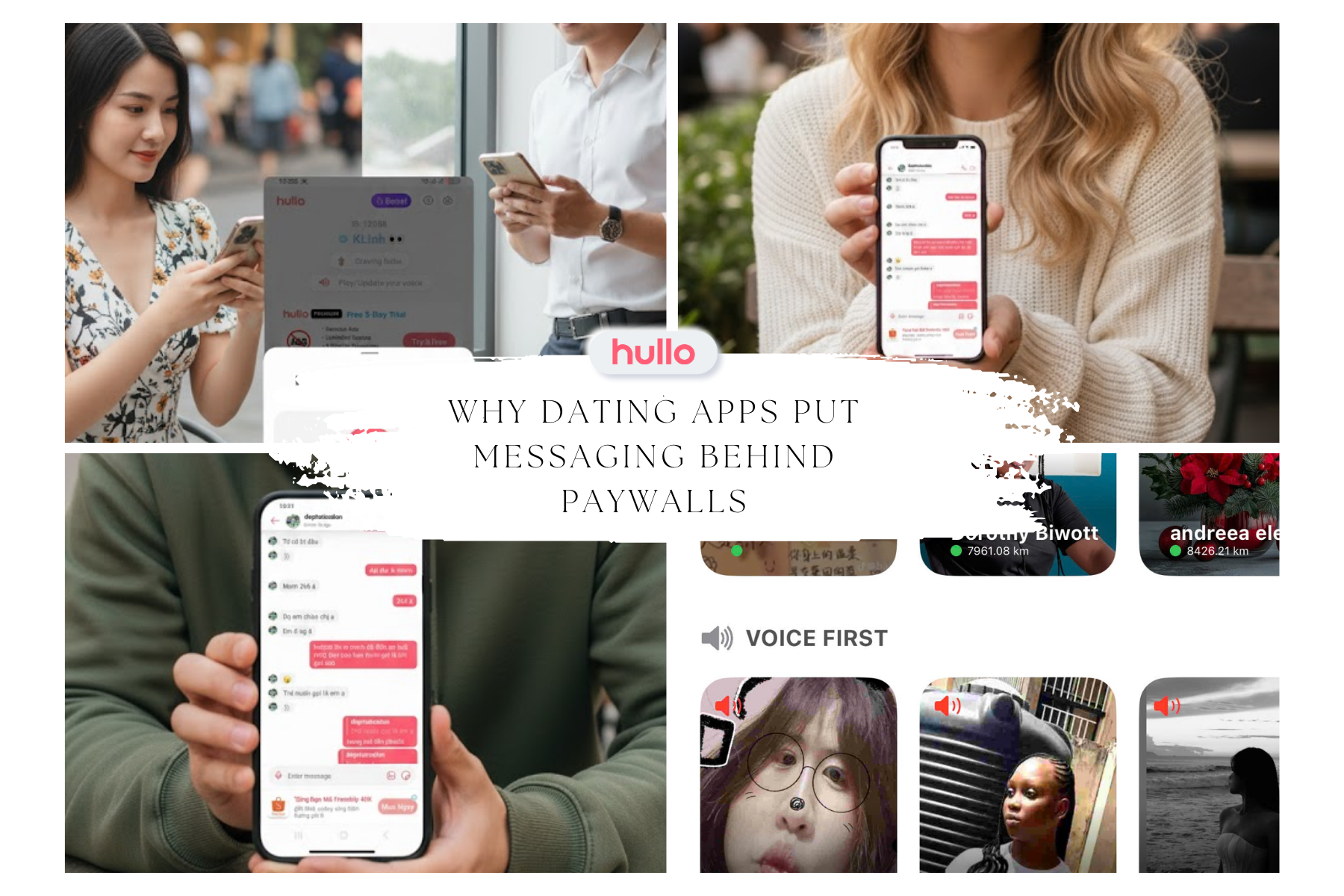
A dating app paywall is any system that limits core actions until a user pays. Messaging is the most common feature placed behind this barrier because it directly controls interaction volume.
Some apps allow matching but block sending messages. Others permit a limited number of messages before requiring payment. In more aggressive models, users can read messages but cannot reply without upgrading.
From a business perspective, messaging is the point where user intent is highest. By placing a paywall here, apps monetize emotional momentum rather than discovery alone.
How Paywalls Fit Into Dating App Business Models
Dating apps operate in highly competitive markets with high acquisition costs. Industry data shows that the average cost to acquire a dating app user increased by nearly 30 percent between 2022 and 2025. Monetization pressure has grown accordingly.
Messaging paywalls serve several purposes. They create a clear incentive to upgrade. They limit server load by reducing message volume. They also segment users based on willingness to pay, which can simplify revenue forecasting.
However, this strategy assumes that restricting communication will push users to convert rather than leave. That assumption does not always hold.
Why Dating Apps Choose Messaging Paywalls
Apps choose this model because it works in the short term. Conversion rates spike when users feel close to interaction. Behavioral economics refers to this as “friction-based monetization.”
Internal product studies across subscription apps suggest that users are up to 2.4 times more likely to pay when a desired action is blocked. Messaging is a perfect trigger because it sits at the emotional peak of the user journey.
At the same time, paywalls help reduce spam and low-effort messaging. Fewer free messages can mean fewer bots, at least initially.
How Messaging Paywalls Affect User Experience
While paywalls may boost revenue, they also reshape how users feel. Surveys show that 61 percent of dating app users report frustration when messaging is locked, and nearly half say it reduces their trust in the platform.
Blocking communication interrupts emotional flow. Conversations feel transactional rather than organic. Users start to question whether matches are real or designed to push payment.
This tension is explored further in Free Chat vs Paid Dating Apps: What Users Actually Want, where user expectations around fairness and access are examined in depth.
When Dating App Paywalls Backfire
Paywalls become counterproductive when they block too much, too early. Data from retention studies shows that apps with early messaging paywalls experience up to 25 percent higher churn in the first seven days.
Paywalls also backfire when users pay and still do not receive meaningful connections. This creates a sense of emotional manipulation, which damages long-term brand trust.
In these cases, revenue may increase briefly, but user lifetime value declines. Trust, once lost, is difficult to rebuild in dating environments.
A More Sustainable Way to Monetize Dating Apps
Sustainable monetization focuses on enhancing experience rather than restricting access. Freemium models allow users to communicate freely while offering paid upgrades that improve visibility, personalization, or insight.
Behavior-based matching plays a crucial role here. When users receive better matches, conversation quality improves naturally, reducing the need to force upgrades.
Hullo focuses on compatibility and fair access, helping conversations start naturally without locking messaging behind aggressive paywalls at hullo.dating
By shifting value toward match quality, platforms reduce frustration while still supporting premium options.
Beyond Paywalls: Building Value Through Better Profiles
Another alternative to messaging paywalls is improving how users present themselves. Clear, authentic profiles increase response rates and reduce low-effort messaging.
Research from matchmaking analytics shows that profiles with deeper personalization increase conversation reply rates by over 35 percent.
Hullo supports this approach with its AI Bio Generator, helping users create profiles that attract real conversation at hullo.dating/ai-bio-generator
When profiles communicate intent clearly, both users and platforms benefit.
Paywalls Are a Choice, Not a Requirement
Dating apps put messaging behind paywalls because it converts well in the short term. But conversion does not equal satisfaction.
Users do not reject paying. They reject feeling blocked from human connection. Sustainable dating platforms balance access with value, transparency with monetization.
If you want to experience dating without artificial communication barriers, you can download Hullo here hullo.dating/download
People Also Ask
Why do dating apps put messaging behind paywalls?
To monetize high intent moments and control message volume.
Do messaging paywalls reduce spam?
Sometimes, but moderation and design matter more than payment.
Are dating app paywalls worth it for users?
Only if payment enhances value instead of blocking basic interaction.
What is a better alternative to messaging paywalls?
Freemium models that prioritize compatibility and optional upgrades.


