

Why do some dating profiles get matches instantly while others get ignored?
That question sits at the center of most modern dating frustrations. Many users invest time in uploading photos, writing a quick bio, and then wonder why they receive few matches, no replies, or conversations that go nowhere. The issue is rarely about attractiveness alone. Instead, it often comes down to how well a profile is built and presented.
In today’s crowded dating landscape, dating profile optimization plays a critical role in determining success. It is not just about looking good. It is about communicating clearly, standing out quickly, and connecting with the right people. If you are wondering how to optimize your dating profile for more matches, the answer lies in understanding both psychology and strategy.
This guide breaks down what actually works, backed by real user behavior, platform insights, and proven optimization principles.
Why Dating Profile Optimization Matters More Than Ever
Dating apps are more competitive than ever. Millions of users are swiping daily, and attention spans are shorter than ever. As a result, profiles are judged in seconds. This creates a high-pressure environment where small details can significantly impact outcomes.
Swipe fatigue has also become a growing issue. According to a report from Pew Research Center, nearly half of dating app users feel overwhelmed by the experience. When users feel this way, they become more selective and less patient. That means your profile must immediately signal value and authenticity.
From a psychological perspective, first impressions are formed almost instantly. Visual cues, tone of writing, and perceived personality all influence whether someone decides to engage. This is why dating profile optimization is no longer optional. It directly affects match rate, response rate, and overall experience.
Dating profile optimization is the process of improving your profile to increase visibility, engagement, and compatibility on dating apps. It includes optimizing photos, writing an authentic bio, and aligning your profile with your dating goals. A well-optimized profile helps users attract more meaningful matches instead of random swipes.
If you want to understand why many profiles fail despite good intentions, this breakdown explains the deeper issue: why dating apps feel fake
Key Elements of Dating Profile Optimization That Drive Matches
Dating profile optimization means improving your photos, bio, and profile details to attract more compatible matches. A strong profile highlights personality, clarity, and authenticity, increasing both match rate and conversation quality on dating apps.
Profile Photos That Attract Matches
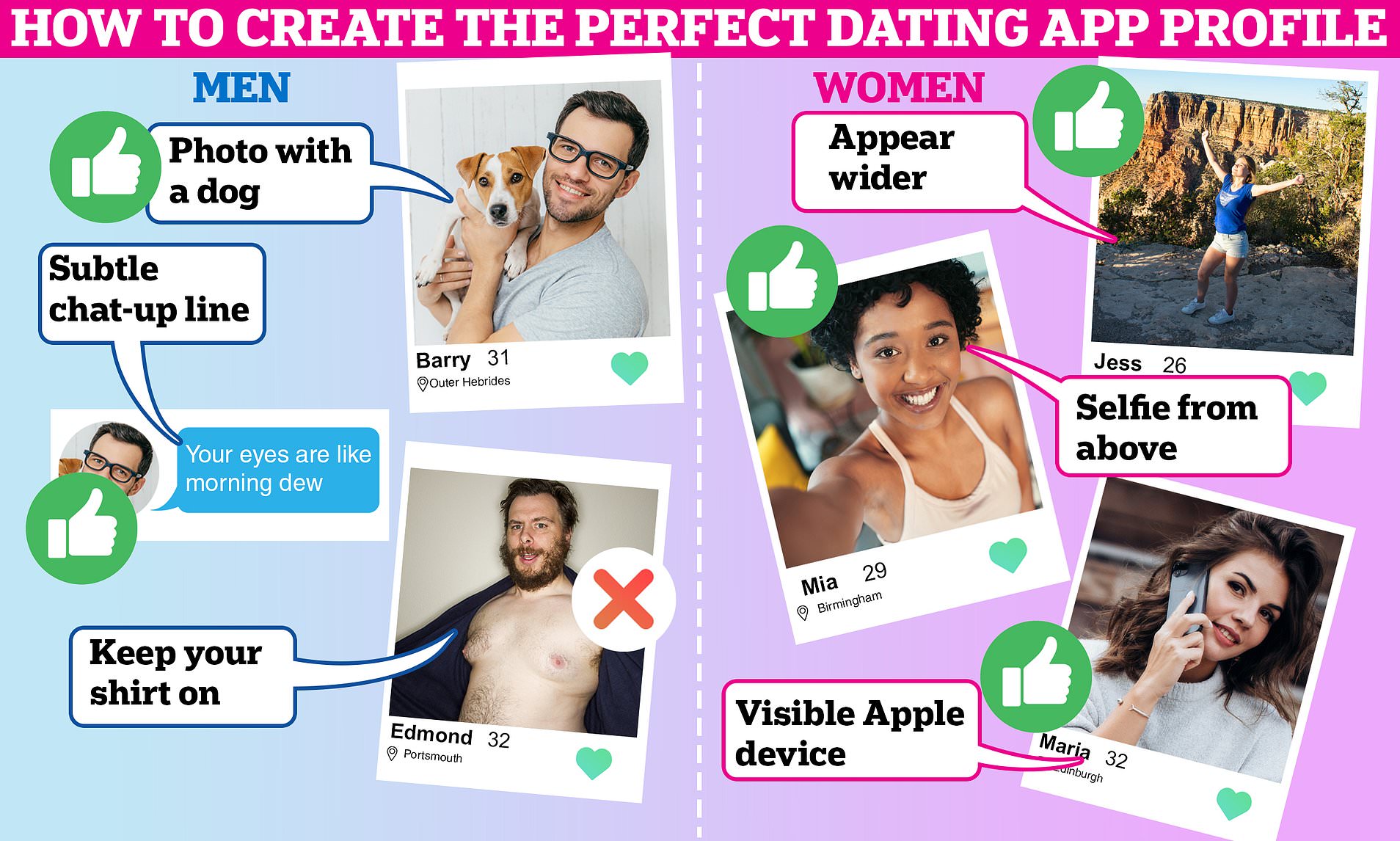
Photos are the most influential part of any dating profile. Users often decide whether to swipe in less than three seconds. Because of this, clarity and authenticity matter more than perfection.
A strong photo should show your face clearly, use natural lighting, and reflect your real lifestyle. Over-edited images or heavy filters may initially attract attention, but they often reduce trust. According to insights published by eHarmony, profiles with natural-looking photos tend to receive more consistent engagement.
It is also important to avoid group photos as your main image. Confusion leads to hesitation, and hesitation leads to fewer matches. Instead, use a mix of solo shots and lifestyle images that tell a story about who you are.
Bio That Converts Views Into Conversations
A bio is where many users lose potential matches. Generic phrases like “I love travel and food” do not create emotional engagement. Instead, specificity drives interest.
For example, saying “I try a new coffee shop every weekend” creates a clearer and more relatable image. This makes it easier for someone to start a conversation.
Research from OkCupid’s data insights shows that profiles with specific interests and personality-driven descriptions receive significantly more messages. This reinforces the idea that your bio should not just describe you. It should invite interaction.
Headline and Prompts Strategy
Your headline or prompts act as quick hooks. They should be short, memorable, and slightly intriguing.
Instead of stating something obvious, focus on creating curiosity. For instance, a prompt like “Ask me about the worst trip I ever planned” is far more engaging than a generic statement.
Strong prompts reduce friction in conversations. They give others an easy way to reach out, which increases reply rates.
Common Mistakes in Dating Profile Optimization That Reduce Matches
Even with good intentions, many users struggle because of avoidable errors in dating profile optimization. One of the most common mistakes is over-editing photos. While filters and enhancements can make images more visually appealing, excessive editing often creates a sense of inauthenticity. Users today are highly sensitive to this and may hesitate to engage with profiles that feel unrealistic.
Another major issue is writing generic bios. Phrases like “I love food and travel” or “just ask me” do not provide meaningful insight into personality. As a result, they fail to trigger curiosity or emotional connection. In contrast, profiles that highlight specific habits, interests, or experiences tend to perform better.
Lack of intention clarity is also a hidden problem. When users do not clearly communicate what they are looking for, they attract mismatched expectations. This often leads to short conversations or no replies at all. Similarly, profiles that are too long can overwhelm readers, while overly short ones feel empty and unengaging.
Trust also plays a growing role in user decisions. If a profile appears inconsistent or unclear, it may raise subtle concerns. To understand how safety and trust influence behavior on dating platforms, you can explore this detailed comparison: dating app safety free vs paid
Dating Insight: What Actually Works in Real Profiles
When it comes to dating profile optimization, real user data reveals patterns that generic advice often misses. According to internal data from Hullo, profiles that include specific personal details receive significantly higher engagement. In particular, users who mention concrete activities or habits tend to get more replies compared to those using vague descriptions.
Additionally, Hullo data shows that personalized opening lines increase response rates by a noticeable margin. Instead of using generic greetings, users who ask context-based or curiosity-driven questions are far more likely to receive replies. This aligns with broader behavioral research suggesting that people respond better to messages that feel tailored and intentional.
These findings are consistent with industry-level insights. For example, Statista reports that authenticity and clarity are key drivers of engagement in online dating environments. When users can quickly understand who you are and what you want, they are more likely to interact.
The underlying principle is simple. People are not just evaluating attractiveness. They are evaluating relatability. Profiles that feel real, clear, and human consistently outperform those that try too hard to impress.
Real Examples of Optimized vs Poor Profiles
Understanding the theory behind dating profile optimization is helpful, but seeing real examples makes the difference much clearer. Small changes in wording or tone can significantly impact how a profile is perceived.
Example 1: Bio
A weak bio often looks like this: “I like music and travel.” While this is technically true for many people, it does not provide any unique or memorable detail. It blends into thousands of similar profiles.
An optimized version might say: “Live music lover who never skips a weekend concert.” This version creates a vivid image and signals a specific lifestyle. It also gives others an easy way to start a conversation.
Example 2: Opening line
A generic message such as “Hi” rarely leads to meaningful interaction. It places the burden of conversation entirely on the other person.
An optimized alternative could be: “What is the best trip you have taken this year?” This type of question invites storytelling and engagement. It also shows genuine interest.
These examples highlight a key principle. Effective profiles reduce friction. They make it easier for others to understand you and respond naturally. This is what improves both match rates and conversation quality.
Advanced Dating Profile Optimization Tips for Better Results
If you already understand the basics, the next step in how to optimize your dating profile for more matches is refining your approach with more advanced strategies.
First, consider your target audience. Your profile should align with the type of person you want to attract. For example, if you are looking for a serious relationship, your tone and content should reflect stability and intention. Misalignment often leads to low-quality matches.
Second, use storytelling instead of listing traits. Rather than saying “I am adventurous,” describe a real experience that shows it. Stories create emotional engagement and make your profile more memorable.
Third, update your profile regularly. Many dating platforms prioritize active users. Small updates, such as refreshing photos or rewriting your bio, can improve visibility and performance over time.
Finally, ensure your profile aligns with your relationship goals. Consistency between what you say and how you present yourself builds trust and increases compatibility.
If you want to explore more strategies that directly improve match rates, this guide offers additional practical insights: how to get more matches on dating app
How Dating Profile Optimization Leads to Better Matches
Strong dating profile optimization does not just increase the number of matches. It improves the quality of those matches in a meaningful way.
When your profile clearly communicates your personality and intentions, it naturally filters out incompatible users. This reduces wasted time and leads to more relevant conversations. Instead of endless swiping, you begin to see connections that align with your preferences.
Better optimization also improves confidence. When users receive more consistent responses, they are more likely to engage actively and maintain conversations. This creates a positive feedback loop that enhances the overall dating experience.
If you are exploring platforms that support more efficient and transparent matching, you can learn more here: free dating apps without payment
At its core, dating profile optimization is about presenting yourself in a way that is both authentic and intentional. It is not about creating a perfect image. It is about making it easier for others to understand who you are and why they should connect with you.
Small adjustments, such as improving your photos, refining your bio, or asking better questions, can lead to noticeable improvements in both match quality and conversation depth. Over time, these changes compound and create a significantly better experience.
Instead of relying on chance, taking a structured approach to optimizing your profile gives you a clear advantage. The sooner you apply these principles, the sooner you will start seeing better results.
People Also Ask
What is dating profile optimization?
It is the process of improving your profile to attract more relevant and compatible matches.
How many photos should a dating profile have?
Most effective profiles include 4 to 6 clear, high-quality photos.
Does a better bio increase matches?
Yes, a clear and engaging bio significantly improves response and conversation rates.
How often should you update your profile?
Updating every few weeks helps maintain visibility and keeps your profile relevant.
What makes a dating profile stand out?
Profiles that show authenticity, clarity, and personality tend to perform best.