
Are free dating apps without payment actually free? Or are they just another way to make you pay later?
If you’ve used a dating app before, this situation may feel familiar. You match with someone. You feel excited. However, when you try to send a message, you are asked to upgrade. In some cases, you are told someone likes you, but you need to pay to see who it is.
At first, everything looks free. But after a short time, limits appear. Many platforms restrict key features. For example, you can match, but you cannot chat. As a result, meaningful interaction is often blocked.
Because of this, the experience becomes frustrating. What should feel simple becomes complicated. Instead of connecting with people, users spend time dealing with restrictions.
Most free dating apps without payment follow this model. They allow free entry, then introduce paid features later. While this works for business, it often creates a gap between expectation and reality.
Over time, users feel stuck. Conversations stop before they begin. Some even pay just to unlock basic features.
So what should you look for instead?
In this guide, you will learn how these apps really work. You will also understand what “free” actually means. More importantly, you will discover how to find platforms that support real interaction without limits.
What are free dating apps without payment?
Free dating apps without payment are platforms that allow users to match, chat, and connect without requiring subscriptions or hidden fees. Unlike freemium apps, truly free platforms provide unlimited messaging and matching, focusing on user experience rather than monetization barriers.
Understanding Free Dating Apps Without Payment
At first glance, the phrase free dating apps without payment sounds simple. However, the meaning can vary depending on the platform.
A truly free app should allow users to complete the full dating process without paying. This includes creating a profile, finding matches, and starting conversations.
In other words, the core experience should always remain accessible.
Most platforms claim to be free. However, they do not always provide full access. To understand this better, we can divide apps into three types.
Free but Limited
These apps offer basic access. However, they add strict limits. For example, users may have a daily swipe cap or restricted messaging.
Freemium Dating Apps
Most dating apps use a freemium model.
This means you can join and use basic features for free. However, you need to pay to unlock important features.
For example, you may not be able to:
- send messages freely
- see who liked your profile
- increase your visibility
Because of this, the free version often feels limited. Users can start using the app, but they cannot fully interact without upgrading.
Truly Free Dating Apps
These apps remove most restrictions. Users can match and chat freely. Instead of limiting access, they focus on improving the experience.
Because of these differences, choosing the right app becomes important. Many frustrations come from hidden limits rather than the concept of dating itself.
If you want to experience dating without hidden restrictions, you can explore a platform designed around real connections: hullo.dating
Why Most Free Dating Apps Still Charge You
At first glance, many platforms appear to offer free dating experiences. However, once users start interacting, they quickly realize that most features are restricted unless they pay. This raises an important question: if these apps are “free,” why do they still charge users?
The answer lies in how the online dating industry is structured.
In practice, the scale of the industry helps explain this model. According to Statista, the global online dating market generates billions in annual revenue, with a large share coming from premium subscriptions.
Meanwhile, research from Pew Research Center shows that around 30% of adults have used dating apps, and a growing number of relationships now start online.
User behavior data also supports this trend. Internal data from Hullo shows that engagement is highest when users can interact freely. For example, peak activity occurs between 9PM and 12AM, and the average reply time is around 18 minutes. When communication is not restricted, conversations tend to start faster and continue more naturally.
As a result, many platforms prioritize monetization. In some cases, this comes at the cost of user experience.
The Business Model Behind Dating Apps
Most dating apps operate on a freemium business model. This means users can sign up and explore the platform for free, but must pay to unlock meaningful features.
There are two primary revenue streams:
1. Subscriptions
Subscriptions are the core monetization strategy for most dating platforms. Users are encouraged to upgrade to premium plans to access features such as:
- Seeing who liked their profile
- Sending unlimited messages
- Increasing profile visibility
- Accessing advanced filters
According to Statista, the global online dating market generated over $3 billion in revenue in recent years, with a significant portion coming from subscription-based models. This highlights how deeply monetization is embedded in the industry.
2. Boosts and In-App Purchases
In addition to subscriptions, many apps offer optional purchases like:
- Profile boosts
- Super likes
- Priority visibility
These features are designed to increase exposure temporarily, often creating a sense of urgency and competition among users.
Why Apps Intentionally Limit Free Users
To encourage users to pay, platforms often restrict the free experience in subtle but impactful ways:
- Limiting the number of daily swipes
- Locking messaging behind mutual interactions
- Hiding who liked your profile
- Reducing visibility in the algorithm
These limitations are not accidental. They are carefully designed to create friction, which nudges users toward upgrading.
What the Data Shows About Online Dating Growth
The growth of online dating further explains why monetization is so aggressive. For readers interested in the latest free dating apps without payment statistics and industry trends, recent market data provides additional insight into how dating platforms are evolving.
A study by Pew Research Center found that around 30% of U.S. adults have used a dating app, and a growing number of relationships now begin online. As demand increases, platforms compete not only for users, but also for revenue.
With millions of active users worldwide, even small conversion rates from free to paid users can generate substantial income.
Free Is Often Just the Entry Point
In reality, most free dating apps without payment are designed as entry funnels. The free version attracts users, while the paid features generate revenue.
This creates a gap between expectation and experience. Users join expecting full access, but quickly encounter limitations that interrupt natural interaction.
Understanding this model is essential. It allows you to approach dating apps more strategically and avoid platforms that prioritize monetization over meaningful connections.
Common Problems with Free Dating Apps
While free dating apps without payment promise accessibility, the actual experience often reveals several limitations that affect how users connect.
Paywalls After Matching
One of the most frustrating moments happens right after a match.
You connect with someone and expect to start a conversation, only to realize messaging is restricted. Some apps require a premium upgrade before allowing users to interact.
This interrupts the natural flow of communication and creates hesitation at the most important moment.
Limited Swipes and Daily Restrictions
Many platforms limit the number of interactions users can make each day.
Once that limit is reached, users must either wait or upgrade to continue. This slows down discovery and reduces the chances of finding compatible matches.
Match Expiration and Time Pressure
Some apps introduce time-based mechanics where matches expire if no action is taken.
While designed to increase engagement, this often creates unnecessary pressure and can lead to missed opportunities.
Visibility and Algorithm Bias
Even active users may experience inconsistent visibility.
Profiles are not always shown equally, and some users receive fewer matches simply due to how the system distributes exposure.
This can lead to fewer interactions and a less consistent experience overall.
What User Behavior Reveals About Real Interaction
While many discussions around dating apps focus on features, real user behavior often tells a more accurate story.
According to internal data from Hullo (2025):
- Around 41% of matches are international, showing that users are increasingly open to global connections
- Peak activity occurs between 9PM and 12AM, when engagement is highest
- The average reply time is just 18 minutes, suggesting fast-paced interaction
- Profiles with voice introductions receive up to 2.3x more replies, highlighting the importance of authenticity
These patterns suggest that limitations such as restricted messaging or visibility can significantly reduce engagement. In contrast, when users are able to interact freely, conversations tend to start faster and continue more naturally.
Comparison of Free Dating Apps Without Payment
When exploring free dating apps without payment, the actual experience often depends on how each platform handles matching, messaging, and visibility.
Overview of Key Features
| App | Matching | Messaging | Limitations | Experience |
|---|---|---|---|---|
| Tinder | Free swipe | Restricted | Cannot see likes without paying | Fast but limited interaction |
| Bumble | Free matching | Limited by time | Matches expire quickly | Time-sensitive experience |
| Hinge | Limited likes | Limited messaging | Daily interaction cap | Slower, curated experience |
| Others | Varies | Often restricted | Hidden paywalls | Inconsistent experience |
| Hullo | Unlimited | Unlimited | Minimal restrictions | Continuous interaction |
Tinder: High Volume but Restricted Access
Tinder is one of the most recognized platforms globally, known for its swipe-based matching system. While users can swipe for free, the experience becomes limited once deeper interaction is required.
One of the most common frustrations is that users cannot see who liked them unless they upgrade. This creates a barrier between matching and meaningful interaction, as users are often encouraged to pay to unlock visibility.
As a result, while Tinder offers high activity and a large user base, the free experience can feel incomplete for those looking to build real connections. This has led many users to ask what is replacing Tinder as dating preferences continue to shift toward compatibility-focused platforms.
Bumble: Engagement with Time Pressure
Bumble introduces a unique dynamic where women initiate conversations. While this can create a different type of interaction, it also introduces time-based limitations.
Matches expire if no message is sent within a specific timeframe. For many users, this creates pressure rather than flexibility, especially when schedules are busy or when users are active across multiple platforms.
Although matching is technically free, the time constraint can reduce the chances of meaningful conversations developing naturally.
Hinge: Curated but Limited Interaction
Hinge positions itself as an app designed for deeper connections. However, its free version comes with daily limits on likes and interactions.
This means users cannot freely explore matches at their own pace. Instead, they must either wait for limits to reset or upgrade for more access.
While the platform encourages thoughtful engagement, the restrictions can slow down the process and limit opportunities for connection.
Other Apps: Hidden Paywalls and Inconsistent Access
Users who previously relied on Plenty of Fish often explore alternative free online dating sites like POF that offer fewer restrictions and more modern matchmaking experiences.
Many other dating apps follow similar freemium patterns. They may initially appear free but gradually introduce restrictions such as:
- Limited messaging access
- Paid visibility features
- Hidden interaction limits
These paywalls are not always immediately obvious, which can lead to confusion and frustration over time. Users may invest effort into building matches, only to discover that key features require payment.
Hullo: A Different Approach to Free Dating
In contrast, some newer platforms are exploring alternative models that focus on reducing friction in the user experience.
Instead of limiting core features, the emphasis shifts toward allowing users to interact freely. This includes:
- Unlimited matches
- Unlimited messaging
- AI-powered matchmaking
By removing restrictions on essential features, users can focus on conversations rather than navigating limitations. In practice, this often leads to more consistent interaction patterns and faster response times, as users are not blocked by paywalls during critical moments.
What This Comparison Reveals
Most apps allow matching but restrict communication. The real difference lies in whether users can interact freely without paywalls.
Looking for free dating apps without payment that actually let you connect freely? Discover a different experience here: hullo.dating/download
What Makes a Truly Free Dating App?
When evaluating free dating apps without payment, it’s easy to get misled by marketing claims. Many platforms appear free at first but introduce restrictions once users begin interacting. To avoid frustration, it’s important to understand what truly defines a free dating experience.
A genuinely free dating app is not just about signing up without paying. It must allow users to fully participate in the dating process without encountering hidden barriers. This includes matching, messaging, and discovering potential connections without limitations.
Below is a practical checklist to help identify whether a dating app is truly free.
Unlimited Matching
Users who prioritize unrestricted interactions often look for the best free dating app without payment for unlimited matches because daily swipe limits can significantly reduce opportunities to connect.
A core feature of any dating app is the ability to match with others. However, many platforms limit the number of likes or swipes users can perform each day.
Unlimited matching allows users to explore connections freely, without being restricted by quotas. This creates a more natural experience, where users can focus on compatibility rather than counting interactions.
Free Messaging
Matching alone is not enough. The ability to communicate is what turns a match into a real connection.
In many apps, messaging is either restricted or locked behind a paywall. A truly free dating app allows users to send and receive messages without requiring upgrades, ensuring that conversations can flow naturally from the start.
No Hidden Fees
Transparency is another key factor. Some apps introduce costs indirectly through features such as:
- Seeing who liked your profile
- Boosting visibility
- Unlocking conversations
A truly free platform avoids these hidden fees, allowing users to access essential features without unexpected charges.
Real Users and Authentic Interaction
Beyond features, user quality plays a critical role. Even if an app is technically free, it loses value if interactions feel inauthentic or inactive.
According to a Pew Research Center report, concerns about fake profiles and misleading interactions remain one of the top issues users face in online dating. This highlights the importance of platforms that prioritize real users and genuine engagement.
A strong free dating app should support authentic connections through features that encourage meaningful interaction rather than superficial swiping.
Why This Matters
When these elements are present, users can focus on real connections instead of navigating restrictions.
Free dating apps without payment remove financial barriers by allowing users to match and communicate without subscriptions. The most effective platforms combine transparency, unlimited interaction, and AI-powered compatibility to deliver better user experiences.
How Hullo Works in Free Dating Apps Without Payment
Understanding how a dating app operates can reveal a lot about the experience it offers. While many platforms rely heavily on manual swiping and user-driven discovery, newer approaches are focusing on reducing friction and improving match quality through technology.
One such approach is built around simplifying the process while maintaining meaningful interaction.
Step 1: Sign Up and Set Preferences
The process begins with creating a profile and defining personal preferences. Users can specify interests, lifestyle choices, and the type of connection they are looking for.
This initial step is important because it provides the foundation for more accurate matching later on.
Step 2: AI Analyzes Compatibility
Instead of relying solely on manual swiping, the system evaluates compatibility based on user input and behavior.
This reduces the randomness often associated with traditional dating apps. Rather than browsing endlessly, users are introduced to profiles that are more aligned with their preferences.
Research from Stanford suggests that compatibility-driven matching systems can improve user satisfaction by reducing decision fatigue and increasing the relevance of suggested connections.
Step 3: Matches Appear Instantly
Once compatibility is determined, matches are presented without requiring constant swiping.
This approach allows users to focus on quality rather than quantity. Instead of spending time filtering through profiles, they can immediately engage with relevant matches.
Step 4: Start Chatting
After matching, users can begin conversations without restrictions.
This is a critical difference compared to many platforms where messaging is limited or requires payment. Removing this barrier allows interactions to develop naturally and increases the likelihood of meaningful conversations.
A Different Experience: No Swipe Fatigue
One of the most noticeable differences is the absence of swipe fatigue.
Traditional swipe-based apps can become repetitive and time-consuming. Over time, this leads to reduced engagement and lower-quality interactions.
By removing the need for constant swiping, the experience becomes more efficient and less exhausting.
Why Hullo Stands Out
When comparing free dating apps without payment, most platforms follow a similar pattern: limited access, restricted messaging, and gradual pressure to upgrade.
This model is not accidental. It reflects how the industry is designed to generate revenue. According to Statista, a large share of dating app revenue comes from premium features such as subscriptions and visibility boosts, rather than basic usage.
At the same time, user demand continues to grow. Research from Pew Research Center shows that around 30% of adults have used dating apps, and an increasing number of relationships now begin online. As more people rely on these platforms, expectations for smoother and more open interaction are also rising.
However, real user behavior tells a slightly different story. Internal data from Hullo (2025) shows that engagement increases significantly when restrictions are reduced. For example, peak activity occurs between 9PM and 12AM, and the average reply time is around 18 minutes. In addition, profiles with richer expression formats, such as voice introductions, tend to receive more responses.
Because of this, some newer platforms are shifting away from traditional limitations. Instead of restricting access, they focus on removing friction and improving the overall user experience.
One of the most notable differences lies in how core features are treated. Apps that allow users to match and communicate freely tend to support more consistent conversations and higher engagement over time.
100% Free Core Features
Many dating apps offer free entry but restrict essential features such as messaging or visibility. In contrast, a platform that keeps its core features free allows users to experience the full journey without interruption.
This includes the ability to:
- Match without daily limits
- Start conversations immediately
- Interact without hidden restrictions
By removing these barriers, users are not forced into making quick decisions about upgrading. Instead, they can explore connections at their own pace.
Unlimited Messaging Without Barriers
Messaging is one of the most critical components of online dating. On many platforms, conversations are limited or delayed unless users subscribe.
Unlimited messaging removes this friction. It allows conversations to develop naturally, which is essential for building trust and understanding between users.
From a behavioral perspective, uninterrupted communication often leads to higher engagement and faster response cycles, especially during peak activity hours.
AI Matchmaking Instead of Endless Swiping
Traditional dating apps rely heavily on swipe-based interaction. While simple, this approach can become repetitive and time-consuming.
AI-driven matchmaking shifts the focus from quantity to relevance. Instead of browsing endlessly, users are introduced to profiles that align with their preferences and behavior.
This approach helps reduce decision fatigue and improves match quality. Research in user behavior has shown that reducing cognitive overload can lead to more meaningful interactions and higher satisfaction rates.
Local and Global Connections
Another key factor is the ability to connect both locally and internationally.
Online dating is no longer limited by geography. Users increasingly seek connections beyond their immediate location, especially in a more globalized digital environment.
In practice, this trend is reflected in user behavior. A significant portion of matches often occurs across different regions, indicating that people are open to broader possibilities when meaningful connections are available.
Subtle Patterns in User Behavior
Certain patterns can consistently improve match outcomes.
Profiles that mention travel interests or openness to different cultures often attract more attention. This reflects a growing preference for shared experiences and global perspectives in modern dating.
Similarly, profiles that are more expressive and personalized tend to receive higher engagement. Features that help users present themselves more clearly can significantly influence interaction quality.
Smarter Profiles with AI Support
Creating a strong profile is often one of the biggest challenges for users. Many people struggle to describe themselves in a way that feels authentic and appealing.
AI-assisted profile creation helps bridge this gap. By generating more structured and engaging descriptions, users can present themselves more effectively without overthinking every detail.
This leads to better first impressions and increases the likelihood of meaningful matches.
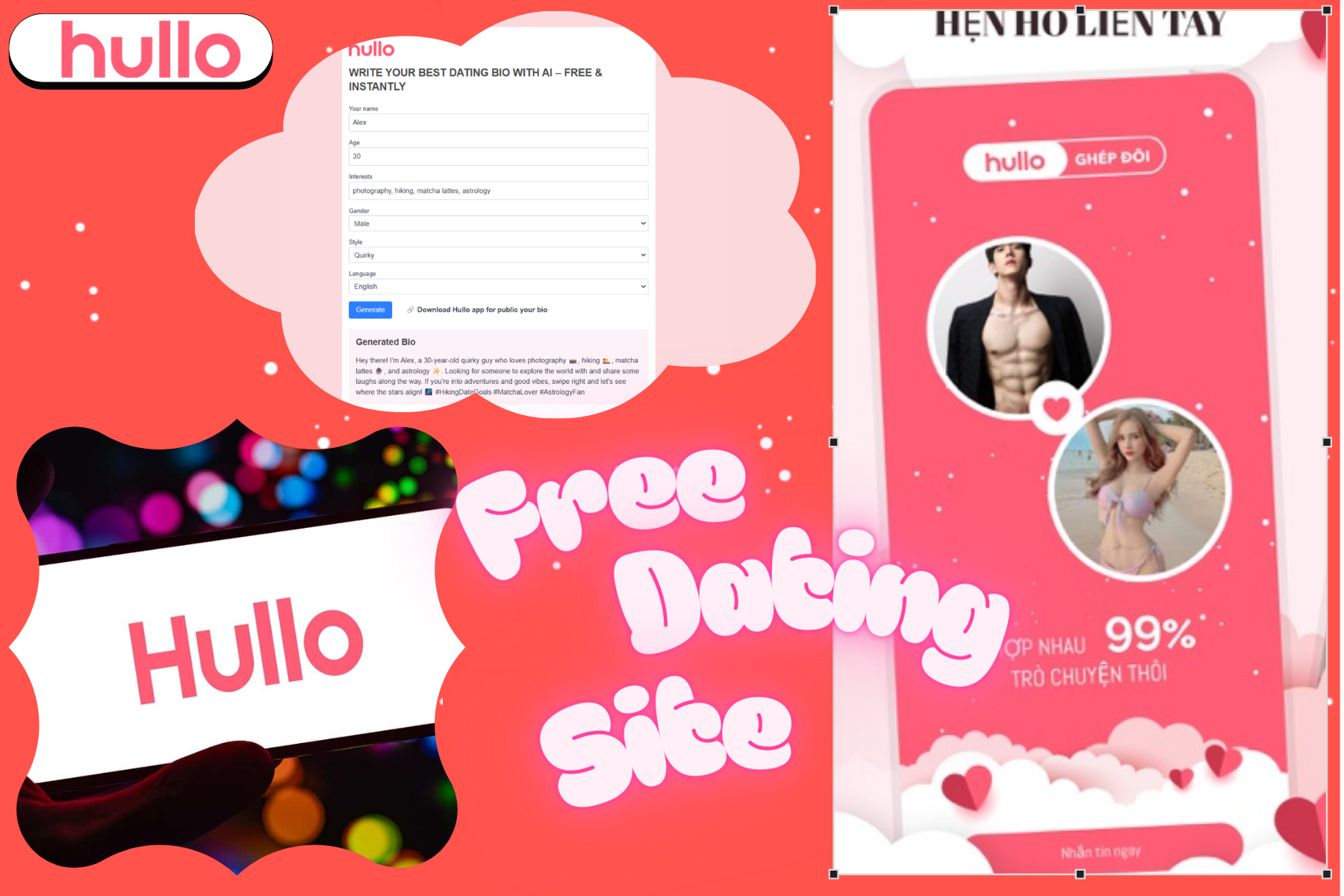
You can also create a high-performing profile instantly using AI: hullo.dating/ai-bio-generator
How to Choose the Best Free Dating App
Choosing the right platform among free dating apps without payment depends on more than just whether the app is free. It requires understanding your personal goals and evaluating how well the platform supports them.
Define Your Dating Goals
The first step is identifying what you are looking for.
- If you are seeking a serious relationship, you may prefer apps that focus on compatibility and deeper interaction
- If you are interested in casual dating, platforms with higher activity and faster matching may be more suitable
Different apps are designed with different user intentions in mind. Choosing the right one helps align expectations with actual experience.
Evaluate Safety and Trust
Safety remains a major concern in online dating.
A study from Stanford highlighted that trust and authenticity are key factors influencing user satisfaction. Platforms that prioritize user verification, reporting systems, and transparent policies tend to provide a more secure environment.
Assess Features and Accessibility
Features should enhance interaction, not restrict it.
Look for platforms that offer:
- Free messaging
- Clear visibility
- Easy navigation
Apps that limit these features often disrupt the natural flow of communication.
Consider User Quality
An app’s value is closely tied to the quality of its user base.
Active users, complete profiles, and meaningful conversations are indicators of a healthy platform. Without these, even the most feature-rich app may feel ineffective.
Tips to Get More Matches Without Paying
Getting more matches on free dating apps without payment does not always require upgrading. In many cases, small adjustments can significantly improve results.
Optimize Your Profile
Your profile is the first impression.
Clear photos, a well-written bio, and authentic details can increase your chances of attracting the right matches. Profiles that feel genuine tend to perform better than overly curated or vague ones.
Use Timing to Your Advantage
User activity is not evenly distributed throughout the day.
Engagement tends to peak during the evening, particularly between 9PM and 12AM, when most users are active. Being online during these hours increases the likelihood of faster matches and replies.
Improve Your First Message
The first message sets the tone for the conversation.
Instead of generic greetings, personalized messages that reference something in the other person’s profile tend to receive higher response rates. This shows effort and increases the chance of meaningful interaction.
Risks of Free Dating Apps
While free dating apps without payment offer accessibility, they also come with certain risks that users should be aware of.
Scams and Fraud
Online dating platforms can attract fraudulent accounts. These may attempt to build trust before asking for money or personal information.
Studies from Harvard have highlighted that online interactions can create false perceptions of trust, making users more vulnerable if they are not cautious.
Fake Profiles
Another common issue is fake or inactive profiles.
These accounts reduce the quality of interaction and can lead to wasted time. Platforms that lack strong moderation systems are more likely to encounter this problem.
Privacy Concerns
Sharing personal information online always carries some level of risk.
Users should be mindful of what they share and ensure that the platform they use has clear privacy policies and security measures in place.
The Future of Free Dating Apps
The online dating landscape continues to evolve rapidly.
AI Matchmaking
AI is becoming a central component of modern dating apps.
Instead of relying only on user input, systems can now analyze behavior and preferences to suggest more relevant matches. As a result, users spend less time searching and more time connecting.
This shift is supported by broader industry trends. Research from Stanford suggests that compatibility-based systems can reduce decision fatigue and improve overall user satisfaction.
More recent user data also reflects this change. Internal data from Hullo () shows that users are 2.1x more likely to start a conversation when matches are aligned with their preferences. In addition, profiles that include richer elements like voice or detailed bios receive up to 2x higher engagement rates.
These patterns suggest that AI-driven matching is not just about automation. It directly affects how quickly conversations begin and how meaningful they become.
Overall, AI matchmaking is helping move dating apps away from random swiping toward more relevant and efficient connections.
Voice and Authentic Interaction
There is a growing shift toward more authentic forms of communication.
Voice introductions and real-time interaction help users build trust faster compared to text-only platforms. This trend reflects a broader demand for genuine connections.
Global Dating Trends
Dating is increasingly becoming global.
Users are more open to connecting with people from different locations, cultures, and backgrounds. This expands opportunities and changes how compatibility is defined.
Free dating apps without payment can offer real value, but only when they allow users to fully engage without unnecessary limitations.
Understanding how different platforms operate helps users make better decisions and choose apps that support genuine interaction.
By focusing on compatibility, communication, and user experience, it becomes easier to find platforms that prioritize real connections.
People Also Ask
Are there truly free dating apps without payment?
Yes, but they are rare. Most apps still limit messaging or visibility.
Why do most free dating apps charge money?
They rely on subscriptions and upgrades for revenue.
Which free dating apps without payment are the best?
Apps that offer unlimited matching and messaging without hidden fees.
How to get more matches without paying?
Improve your profile, stay active, and send personalized messages.