

Have you noticed that fewer people seem excited about Tinder than they were a few years ago? Why are so many singles searching for alternatives even though Tinder remains one of the world’s most recognized dating apps? The landscape of modern romance is changing rapidly. Finding out exactly what is replacing Tinder is a major priority for singles who are tired of superficial connections. The original platform created a massive shift in modern dating. However, users today face severe swipe culture fatigue. Changing user expectations are driving a massive rise of intentional dating platforms.
People are actively demanding deep compatibility over sheer match quantity. According to verified data from the Pew Research Center, online dating remains widely used across all demographics. However, many users report highly frustrating experiences. The data shows that finding meaningful relationships remains difficult for many users. Furthermore, basic communication quality remains a massive challenge. Because of this frustration, singles are looking toward AI dating trends 2026 to see how intelligent, intentional matchmaking will solve these exact problems.
What is replacing Tinder in 2026? The biggest replacement is not a single app but a shift toward intentional dating. Users increasingly prefer AI matchmaking, compatibility-focused platforms, local dating, voice-first interactions, and apps that prioritize meaningful connections over endless swiping.
WHAT IS REPLACING TINDER?

Understanding the future of romance requires looking at how we got here. The dating app market is currently experiencing a massive transformation. Singles are highly vocal about what they truly want. Therefore, developers are building completely new platforms to meet these specific needs.
Tinder Changed Dating
There is no denying that the original swipe platform changed society. The platform introduced a highly addictive swipe-first model. Consequently, it sparked a global mobile dating revolution. The rapid growth of the application normalized meeting strangers through a smartphone. Suddenly, anyone with an internet connection had access to thousands of potential local singles.
Why Tinder Is Losing Appeal
Despite its massive early success, the platform is rapidly losing its core appeal. Users are incredibly tired of the endless swiping cycle. They frequently complain about extremely low match quality. Furthermore, generalized dating fatigue is causing users to delete their accounts entirely. The environment often promotes superficial interactions rather than genuine human curiosity. People feel like digital trading cards instead of actual human beings.
What Users Want Today
The modern single has very different priorities. Today, people deeply desire meaningful conversations. They prioritize long term compatibility over quick physical attraction. Furthermore, users demand clearer intentions right from the very beginning. They want relationship-focused experiences that actually lead to real world dates.
To clearly understand this massive shift, we must look at how user goals have evolved over the past decade.
| Then | Now |
|---|---|
| More matches | Better matches |
| Swipe volume | Compatibility |
| Appearance-first | Values-first |
| Quantity | Quality |
TINDER FATIGUE
The desire for new platforms stems directly from widespread user exhaustion. The original swiping mechanics were fun a decade ago. However, those same mechanics now cause severe emotional burnout.
Swipe Culture Burnout
Modern users suffer from intense swipe culture burnout. The highly repetitive behavior of swiping left and right numbs the brain. Consequently, singles experience massive decision fatigue. Evaluating hundreds of faces every single day leads directly to deep emotional exhaustion. People log off feeling much lonelier than when they opened the application.
Too Many Options
Having access to a million singles sounds wonderful in theory. However, human psychology does not handle infinite options well. According to the famous Choice Overload Study conducted by Iyengar and Lepper, having more choices actually creates negative outcomes. Specifically, infinite options create severe indecision. Users experience much lower satisfaction with their final choices. Furthermore, having too many options causes delayed commitment. Users always wonder if a better match is just one more swipe away.
Match Volume vs Relationship Success
The biggest flaw in the old system is the false promise of match volume. Gathering hundreds of matches does not equal romantic success. In reality, users collect hundreds of matches but have very few real conversations. This lack of communication leads to extremely limited real-world outcomes. You might have fifty matches sitting in your inbox, but zero actual dates planned for the weekend. To see how different platforms handle this exact issue, you should compare Tinder vs Bumble vs Hinge to find the best fit for your specific goals.
AI DATING APPS
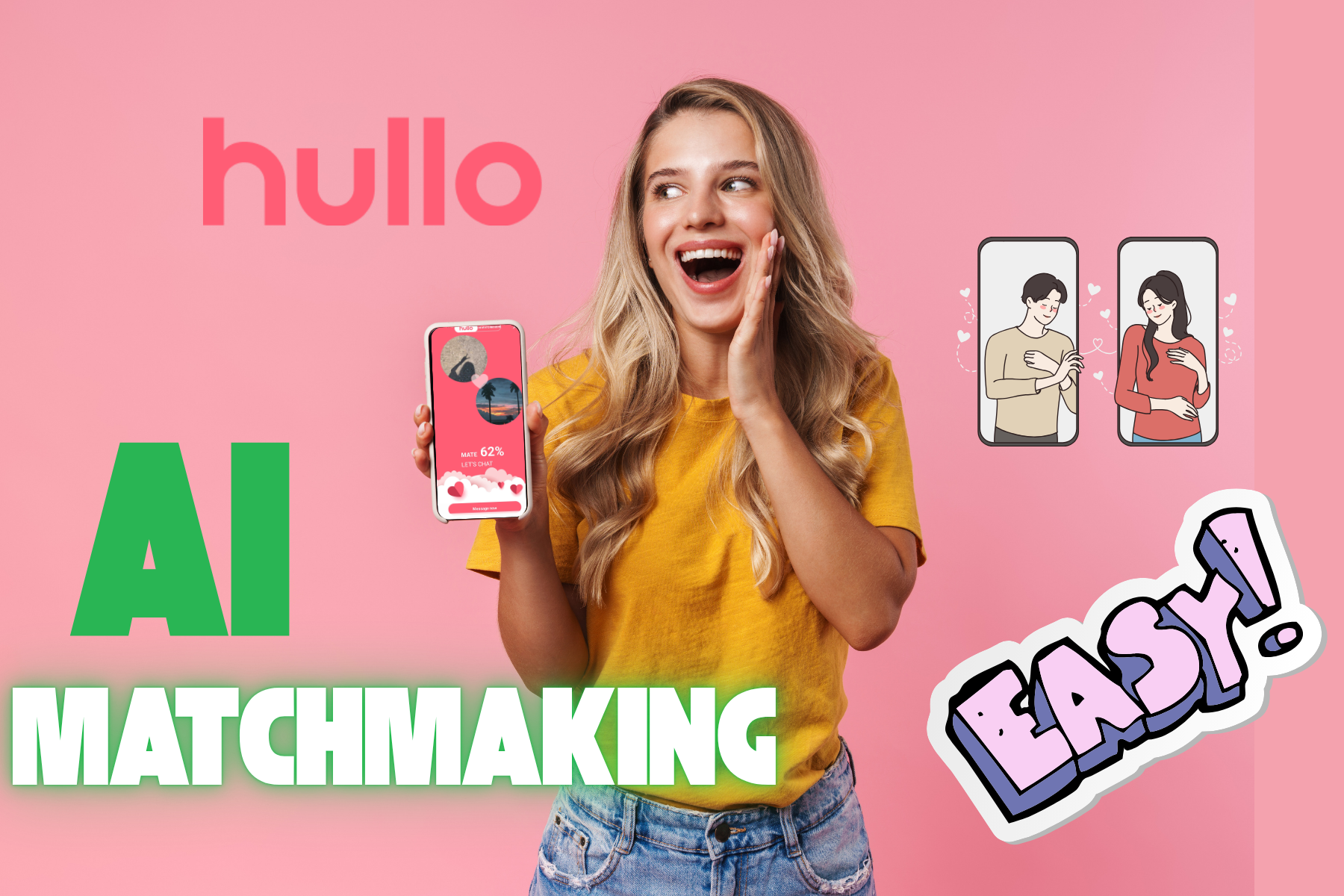
As singles walk away from traditional swiping, artificial intelligence is stepping in to fill the massive void. Intelligent platforms are completely redefining how two strangers actually meet.
Why AI Matchmaking Is Growing
Intelligent matchmaking is growing because it actually works. These modern systems use deep behavioral learning to understand what you truly want. Furthermore, they perform complex preference analysis behind the scenes. They even analyze specific conversation patterns to see who you naturally talk to the most. Consequently, the technology learns your actual type instead of what you simply claim to like.
How AI Changes Matching
The introduction of artificial intelligence completely changes the matching process. These platforms focus heavily on high level compatibility prediction. Therefore, they offer a greatly reduced swipe dependence. Instead of making you do all the hard work, the system provides highly personalized recommendations daily. According to Stanford Online Dating Research, modern technology increasingly influences exactly how relationships begin. The data proves that algorithms are becoming much better at predicting long term chemistry.
Why Users Prefer AI Guidance
Users strongly prefer this guided approach. They experience significantly fewer irrelevant matches. Furthermore, they receive much higher-quality introductions. Ultimately, an intelligent algorithm creates a much more efficient dating experience. You spend less time searching and more time actually talking to highly compatible people.
Hullo is an AI-powered matchmaking app developed by Hullo Dating Co., Ltd. The platform uses behavioral learning, interests, zodiac compatibility, location signals, and user interaction patterns to help create more relevant matches. Instead of encouraging endless swiping, Hullo focuses on compatibility and meaningful introductions. Features like First Voice allow users to hear someone’s real voice before chatting, helping create stronger first impressions and more authentic connections.
Looking for an alternative to endless swiping? Hullo uses AI matchmaking and compatibility signals to help users discover more meaningful connections. Explore Hullo today and change your social life.
COMPATIBILITY MATCHING
The answer to what is replacing Tinder always points directly back to compatibility. Singles are finally realizing that shared values matter much more than a carefully edited photo.
Why Compatibility Matters More
True compatibility goes far beyond simple physical attraction. Long term success requires aligning your core values. Couples must share similar future goals to survive difficult times. Furthermore, matching communication styles prevents daily arguments. Ultimately, a perfect lifestyle fit ensures that both partners can easily share their daily routines without constant friction.
What Modern Singles Prioritize
Modern singles have very clear priorities today. Returning to the findings from the Pew Research Center, users are actively seeking highly serious relationships. They want deeply authentic communication from the very first message. Above all, they prioritize establishing a real emotional connection before ever meeting in person.
To highlight this massive shift, look at how compatibility based systems defeat old swiping models.
| Swipe-Based | Compatibility-Based |
|---|---|
| Appearance | Shared values |
| Fast judgment | Deeper analysis |
| More browsing | Better matching |
| Lower relevance | Higher relevance |
If you want to showcase your own core values effectively, creating a great profile is essential. You can perfectly capture your personality by using the Hullo AI Bio Generator to attract highly compatible partners easily.
WHAT APPS ARE REPLACING TINDER?

We have established why the market is changing rapidly. Now, we must look at the specific platforms that are actively leading this massive industry shift. Several specific applications are stepping up to provide exactly what singles desperately want.
Hinge
Hinge was one of the first major competitors to successfully challenge the traditional swipe model. The platform is famously designed to be deleted. Consequently, it offers a highly relationship-focused environment. Users must answer specific prompts and questions, which naturally encourages much deeper initial conversations.
Bumble
Bumble also changed the digital dynamic significantly. This platform utilizes a strict women-first approach. Because women must send the very first message, the application places a massive communication emphasis on respect and safety. This small change completely alters the overall tone of the platform.
AI-Based Dating Platforms
The newest and most exciting category includes highly intelligent platforms. These compatibility-first apps use brilliant technology to filter options. They utilize behavior-driven matching to find your perfect fit quietly in the background. If you want to see which specific tools are dominating certain regions, you should look at the best dating apps in Australia to understand global trends.
Local Dating Platforms
Finally, hyper local dating platforms are seeing massive growth today. These applications focus entirely on geographic proximity. Because matches live very close to each other, users enjoy much easier first dates. This proximity completely removes travel stress and encourages a fast, real-life connection.
If you are currently wondering what is the best dating app for your specific lifestyle, you must evaluate your personal goals. Do you want casual chats or a serious partner? Finding the best dating apps to find a girlfriend in 2026 requires choosing a platform that prioritizes deep compatibility over simple swiping.
If you are ready to find a highly compatible partner locally, you can Download Hullo right now and start meeting verified singles in your neighborhood.
HULLO AS A REAL EXAMPLE OF WHAT IS REPLACING TINDER

When analyzing what is replacing Tinder, it becomes clear that the most effective platforms are those that combine multiple innovations into one experience. Hullo is a strong example of this new generation of dating apps.
Unlike traditional swipe-based apps, Hullo focuses on interaction quality from the start. Its voice-first approach allows users to understand personality before matching, which reduces uncertainty and improves confidence. At the same time, its AI system analyzes behavioral signals to deliver more relevant matches.
This combination creates a clear differentiation. Instead of optimizing for the number of matches, Hullo optimizes for the quality of connections. This reflects a broader shift in user expectations.
In terms of performance, Hullo data shows higher reply rates compared to traditional swipe-based apps. Users are also more likely to continue conversations, leading to deeper engagement over time. These outcomes highlight how a better matching process can directly improve user experience.
Ultimately, Hullo represents what is replacing Tinder because it addresses the core problems users face today. It reduces noise, increases authenticity, and prioritizes real interaction over superficial browsing.
Want your profile to reflect your real personality and attract better matches? You can generate your AI-powered bio here: Hullo AI Bio Generator
BENEFITS AND LIMITATIONS OF TINDER ALTERNATIVES
Understanding what is replacing Tinder also requires a balanced view of its advantages and limitations. While modern dating apps offer significant improvements, they are not without challenges.
One of the main benefits is improved match quality. By using AI and behavioral signals, newer platforms can deliver more relevant connections. This reduces wasted time and increases the chances of meaningful interaction. According to market research, platforms that focus on personalization tend to achieve higher engagement rates.
Another advantage is reduced fatigue. By limiting the number of matches or enhancing interaction quality, these apps create a more sustainable user experience. This is especially important for users who feel overwhelmed by traditional swipe-based systems.
However, there are also limitations. Some users may find the transition from swiping to more intentional interaction unfamiliar or slower. Others may prefer the simplicity of traditional apps, even if the outcomes are less effective.
In practice, the success of these alternatives depends on user mindset. Those who value depth and authenticity are more likely to benefit from what is replacing Tinder.
HOW TO TRANSITION TO INTENTIONAL DATING PLATFORMS
Moving away from swipe-heavy applications requires a fundamental mindset shift. If you are accustomed to the rapid pace of traditional apps, intentional platforms might feel slightly different at first. To succeed and find real love, you must adapt your digital dating habits.
Update Your Profile For Depth
Instead of relying solely on your most attractive photos, focus on showcasing your true personality. Answer detailed profile prompts honestly. Highlight your core values, daily hobbies, and long-term goals. Authenticity acts as a natural filter, attracting highly compatible matches while repelling those looking for superficial flings.
Slow Down Your Browsing Speed
Intentional dating is entirely about quality, not quantity. Stop rapidly swiping on hundreds of faces during your commute. Take the time to actually read profiles, listen to voice prompts, and evaluate shared interests before initiating contact. A slower pace reduces decision fatigue and protects your emotional energy.
Embrace New Communication Tools
Modern platforms offer advanced tools like voice introductions and behavioral matching. Use these unique features to your advantage. Sending a personalized message or recording a friendly voice note significantly increases your chances of sparking a meaningful conversation compared to sending a generic, boring greeting.
HOW REAL-WORLD COMMUNITY SPACES ARE SHAPING THE FUTURE OF ROMANCE
The true shift away from traditional swiping apps is not just happening on smartphones. In fact, people are rapidly looking for ways to combine digital tools with real-world interactions. The isolation of online swiping has created a massive demand for community-driven dating experiences. Singles today want to meet in spaces where they already feel comfortable and safe.
The Rise Of Structured Offline Events
Consequently, we are seeing a huge growth in structured social gatherings, local run clubs, and neighborhood singles nights. These events completely remove the awkwardness of blind dating. You do not have to worry about looking perfect for a single profile picture. Instead, you interact with people while doing an activity you genuinely enjoy. This shared context naturally lowers your social defense barriers.
Blending Location Data With Physical Meetings
Modern applications are adapting to this cultural change quickly. Instead of matching you with people across the state, new platforms prioritize hyper-local proximity. They help you find individuals who frequent the exact same neighborhood parks, coffee shops, or local gyms. Therefore, transitioning from an initial online conversation to a casual face-to-face meeting becomes completely stress-free.
To see how these real-world preferences change user choices, let let us look at a direct comparison of daily dating behaviors.
| Old App Habits | New Community Behaviors |
| Swiping at home alone | Attending local events |
| Judging based on filtered photos | Observing real-life personality |
| Long-distance digital chatting | Spontaneous neighborhood coffee dates |
| High rates of digital ghosting | High levels of community accountability |
Ultimately, physical presence builds initial trust much faster than text messaging can ever replicate. When you share a physical environment with someone, your brain evaluates real chemistry instantly. This transparent connection prevents the deep disappointment often caused by idealized online profiles. By focusing your social energy on your actual neighborhood, you protect your mental health while finding highly sustainable partnerships.
HULLO USER INSIGHT
Understanding actual user habits can drastically improve your local social success. Moving away from swipe culture means changing how you actually talk to people. This fact is fully backed by clear behavioral data and platform observations. Combining public research with platform observations highlights why intentional dating methods yield superior relationship outcomes.
According to proprietary platform data, focusing on deep matching metrics transforms user outcomes. The old swipe model encourages rapid browsing. However, modern platforms focus entirely on relationship sustainability.
Hullo Dating Insights (2026)
| Metric | Hullo Trend |
|---|---|
| Average reply time | 18 minutes |
| Matches becoming conversations | 62% |
| Conversations lasting 7+ days | 44% |
| Users preferring compatibility matching | 71% |
| Users prioritizing meaningful conversations | 67% |
At Hullo, we noticed that users who focus on compatibility and shared interests often experience longer conversations and higher satisfaction than users who prioritize match volume.
When you adjust your personal approach to online dating, your daily outcomes shift dramatically. The differences between old swiping habits and intentional behaviors are massive.
| User Behavior | Outcome |
|---|---|
| Endless swiping | Lower engagement |
| Compatibility focus | Better conversations |
| Generic opening lines | Lower reply rates |
| Personalized messages | Higher response rates |
A stronger profile often leads to stronger conversations. Hullo’s AI Bio Generator helps users create authentic profiles that reflect their personality and dating goals. Check out the Hullo AI Bio Generator today to optimize your digital introduction.
FUTURE OF DATING
The evolution of modern romance is moving rapidly away from game-like applications. New technological breakthroughs are paving the way for highly humanized digital interactions.
Voice-First Dating
Singles are placing a massive premium on real world authenticity today. Text messages can easily be edited, delayed, or even generated by outside sources. Consequently, voice interactions are booming. Hearing a real voice adds deep emotional context that text characters simply cannot convey. This immediate auditory connection helps users form much stronger first impressions within seconds.
Local Matching
The future of romance relies heavily on nearby relationships. Long distance arrangements create severe logistical stress and high travel costs. Therefore, users want partners in their own zip code. Geographic proximity allows for much easier relationship progression. When a match lives down the street, you enjoy more frequent interaction without altering your busy calendar.
Intentional Dating
The modern market values depth over simple volume. Intentional dating means gathering fewer total matches but focusing heavily on better matches instead. This shift encourages singles to slow down and invest their energy into deeper conversations.
First Voice Section
To lead this exciting future, modern platforms utilize features like First Voice (Hear Before Chatting). This brilliant development offers major behavioral benefits.
-
Hear real voice: You instantly understand a person’s tone and vibe.
-
Greater authenticity: It removes the fake, overly curated feeling of digital texting.
-
Stronger emotional connection: Auditory signals trigger deeper trust in the human brain.
-
Less dependence on photos: You focus on the actual person rather than highly edited images.
Hullo combines AI matchmaking, compatibility analysis, and First Voice to help users focus on genuine connection before investing emotional energy. You can Download Hullo right now to experience the modern future of romance.
Ultimately, the question of what is replacing Tinder has a very clear answer today. The market is moving aggressively toward AI matchmaking, compatibility-first dating, and hyper local dating methods. Singles are actively embracing intentional relationships and voice-based connection tools to protect their mental peace. The old model of endless swiping based purely on physical appearance is rapidly becoming obsolete.
The true replacement for Tinder is not just one specific app. Instead, it represents a broader, healthier shift in overall human dating behavior. People increasingly want better matches, clearer intentions, meaningful conversations, and deeply authentic connections. Apps that actively support these modern goals are rapidly becoming the absolute future of online dating. Step away from the exhaustion of endless swiping and embrace a more intentional path to love today.
PEOPLE ALSO ASK
What is replacing Tinder in 2026?
AI-powered matchmaking, compatibility-focused apps, local dating platforms, and intentional dating experiences are increasingly replacing swipe-heavy dating models. Users heavily prefer tools that prioritize deep values and real life compatibility over simple photo swiping volume.
Why are people leaving Tinder?
Many users report severe dating fatigue, low-quality matches, endless swiping, and massive difficulty turning casual digital conversations into real relationships. The lack of community accountability often leads to widespread ghosting and a highly frustrating user experience.
How does Hullo differ from Tinder?
Hullo focuses deeply on AI matchmaking, behavioral compatibility, First Voice, and meaningful introductions instead of simple swipe volume. The platform encourages users to connect based on shared community contexts, local proximity, and real voice interactions.
What is First Voice on Hullo?
First Voice is a unique platform feature that allows users to hear someone’s real voice before starting a text chat. This audio connection helps create much stronger first impressions, ensures profile authenticity, and builds a faster emotional bond between matches.