
Are dating apps really worth the price, or are users paying more than they realize?
If you are searching for a dating site cost comparison, you are not alone. Many users sign up expecting a free experience. However, things quickly change once they start using the app. Messaging is often locked. Matches are limited. Features that seem basic suddenly require payment.
At first glance, most platforms appear free. Yet, the real experience is different. Users are gradually pushed toward subscriptions. In many cases, this can cost between $20 and $60 per month.
According to Statista, the global online dating market has surpassed $3 billion in revenue. This shows one thing clearly. Dating apps are not just social platforms. They are businesses built around monetization.
As a result, users are becoming more aware of pricing models. Many now question whether these costs actually improve their chances of finding a meaningful connection. In fact, frustration with paywalls is one of the main reasons people are exploring alternatives.
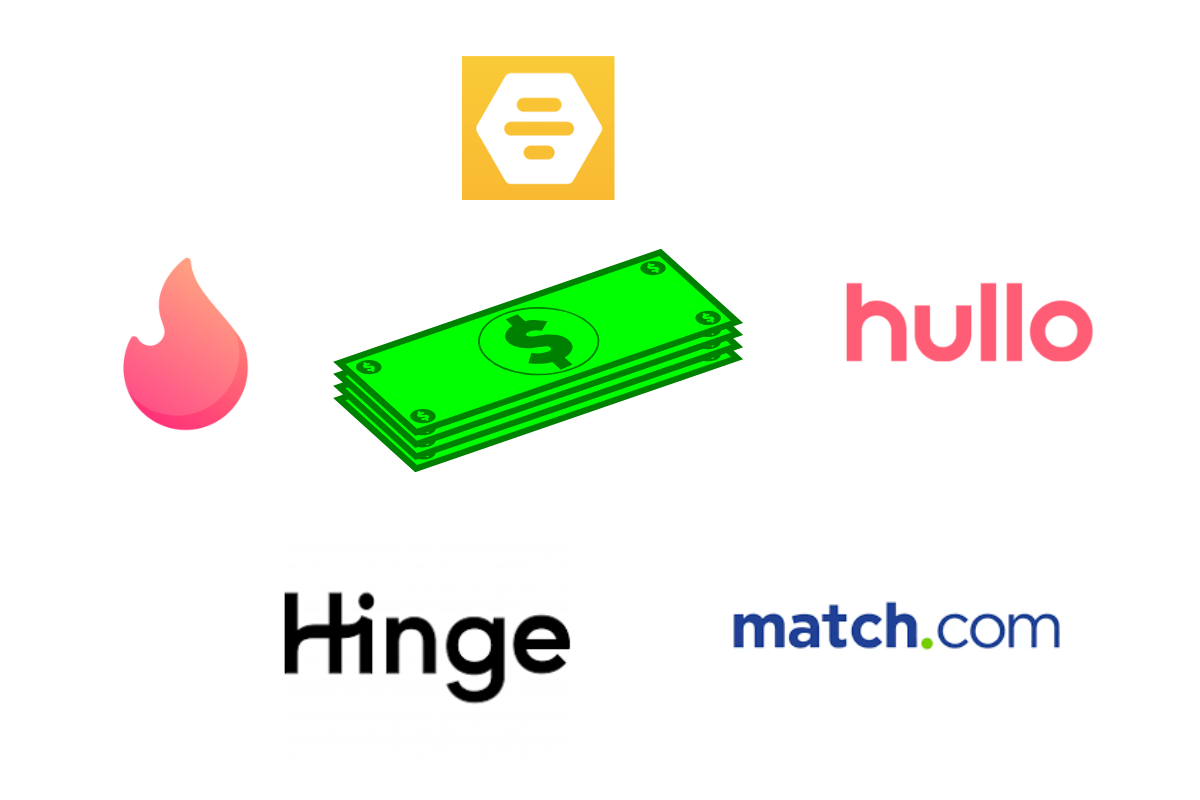
A dating site cost comparison shows that most apps charge between $20 and $60 per month for basic features. However, newer platforms like Hullo remove paywalls entirely, offering unlimited messaging and matching for free.
What a Dating Site Cost Comparison Actually Reveals
A dating site cost comparison analyzes how much different dating apps charge, including subscription fees, premium features, and hidden costs. It helps users evaluate which platform offers the best value.
A dating site cost comparison does more than list prices. It reveals how dating platforms are structured and how they generate revenue. While most apps promote themselves as free, their core features are often restricted.
Free vs Paid Structure
Most dating apps follow a freemium model. This means users can sign up for free, but key features are locked behind a paywall. For example, you may be able to swipe or browse profiles without paying. However, actions like sending messages or seeing who liked you usually require a subscription.
This structure creates a gradual upgrade path. Users start with a free experience. Then, they encounter limitations. Over time, these restrictions encourage them to pay.
According to Pew Research, around 30 percent of dating app users have paid for premium features. This highlights how common this model has become.
Hidden Monetization Layers
Beyond subscriptions, many apps include additional monetization layers. These often include boosts, super likes, and visibility upgrades. While they promise better exposure, the results are not always consistent.
In practice, users may spend more than expected. Small purchases can add up quickly. As a result, the real cost of using a dating app is often higher than the advertised price.
Therefore, a proper dating site cost comparison should include both visible pricing and hidden costs. Only then can users understand the true value of each platform.
Dating Site Cost Comparison Table: Real Pricing Breakdown
A clear dating site cost comparison helps users understand how much they are actually paying across different platforms. While many apps appear similar at first, their pricing structures vary significantly.
Below is a simplified comparison based on publicly available data:
| App | Free Plan | Monthly Cost | Annual Estimate | Key Limitations |
|---|---|---|---|---|
| Tinder | Yes | $19.99–39.99 | Up to $480 | Limited swipes, no likes visibility |
| Bumble | Yes | $19.99–39.99 | Up to $480 | Matches expire quickly |
| Hinge | Yes | $29.99 | $360 | Daily like limits |
| eHarmony | No | $59.95 | $700+ | Messaging locked |
| Hullo | Yes | $0 | $0 | No limitations |
Monthly vs Annual Cost
When comparing costs, monthly pricing often looks manageable. However, long term subscriptions reveal a different picture. For example, paying $30 per month results in $360 per year. In some cases, users spend over $700 annually.
According to Business of Apps, subscription revenue is the primary income source for most dating platforms. This explains why pricing models are designed to encourage long term commitment.
Free Plan Limitations
Free plans usually come with restrictions. These include limited swipes, restricted messaging, and reduced visibility. While these limitations seem minor at first, they significantly affect user experience.
In contrast, newer platforms are removing these barriers. For example, Hullo allows unlimited matching and messaging without requiring payment. This changes how users interact and reduces friction.
In addition, Hullo data shows that removing messaging restrictions can increase reply rates by up to 2.3 times. This suggests that access matters more than paid visibility.
Instead of navigating paywalls, you can try a fully open experience with Hullo: hullo.dating
Why Dating Apps Feel Expensive Beyond the Price
A dating site cost comparison often focuses on numbers. However, the real cost of dating apps goes beyond pricing. Many users feel that the experience itself becomes exhausting over time.
Psychological Cost
First, there is a mental cost. Constant swiping, limited matches, and delayed responses can lead to frustration. Even when users pay for premium features, results are not guaranteed.
Over time, this creates a sense of fatigue. Users begin to question whether the platform is actually helping them. In many cases, the problem is not the number of matches, but the quality of interaction.
Opportunity Cost
Second, there is an opportunity cost. Money spent on subscriptions could be used elsewhere. For example, users could invest in real dates, social activities, or self-improvement.
According to McKinsey, consumers are becoming more selective about subscriptions. Many are actively reducing spending on services that do not provide clear value.
This trend applies directly to dating apps. Users are no longer willing to pay just for access. They expect meaningful results.
Meanwhile, Hullo data suggests that improving profile quality and communication style leads to better outcomes than paying for visibility. This reinforces an important idea. Success in dating depends more on behavior than budget.
If you want to understand what users actually prefer between free and paid apps, explore this breakdown from Hullo:
free chat vs paid dating apps
Dating Behavior Insight Behind Cost Decisions in Dating Site Cost Comparison
A typical dating site cost comparison focuses on pricing. However, cost alone does not explain success in online dating. In reality, user behavior plays a much bigger role.
Many users believe that paying for visibility leads to better results. Yet, data shows a different pattern. According to internal Hullo insights, users who focus on personalization rather than paid boosts see significantly better outcomes.
Specifically, Hullo data shows that profiles with personalized bios and thoughtful opening messages achieve 2.3 times higher reply rates. In addition, conversations are 40 percent more likely to continue beyond the first exchange when users engage naturally instead of relying on paid exposure.
This suggests a key shift. Personalization is more effective than paid visibility. While premium features may increase impressions, they do not guarantee meaningful interaction.
Furthermore, research from Stanford University shows that successful relationships are more strongly linked to communication quality than platform features. This reinforces the idea that behavior matters more than budget.
In practice, this means optimizing your profile and communication style can deliver better results than upgrading to premium plans. Therefore, a modern dating site cost comparison should include behavioral factors, not just pricing.
If you want to improve your matches instead of paying for visibility, try optimizing your profile with Hullo: hullo.dating/ai-bio-generator
Real Examples in a Dating Site Cost Comparison: How Users Actually Spend
Understanding a dating site cost comparison becomes easier when we look at real user behavior. Pricing alone does not tell the full story. Instead, usage patterns reveal how money is actually spent.
Example 1: Casual User
A casual user typically downloads a dating app to explore options. At first, they rely on free features. However, after a few days, they encounter limitations such as restricted messaging or visibility.
As a result, they may purchase short term boosts or a one month subscription. Over time, these small payments add up. Even without committing to a long term plan, a casual user can spend $50 to $100 within a few weeks.
Example 2: Serious Relationship Seeker
A more serious user often invests in premium subscriptions. They may choose a three or six month plan to increase their chances of finding a partner.
In this case, the total cost can exceed $300 per year. However, higher spending does not always lead to better outcomes. Many users still struggle with low response rates or inconsistent conversations.
According to Pew Research, paying users do not necessarily report higher satisfaction compared to free users. This highlights a key insight.
Cost does not equal success. Behavior matters more.
Tips to Improve Your Dating Site Cost Comparison Strategy and Save Money
A smart dating site cost comparison is not just about choosing the cheapest app. It is about maximizing value while minimizing unnecessary spending.
Tip 1: Use Free Features First
Start by exploring what a platform offers without paying. Many apps provide enough functionality to test compatibility. This helps you avoid committing to subscriptions before understanding the experience.
Tip 2: Avoid Long Term Subscriptions
While annual plans seem cheaper per month, they require a large upfront payment. If the app does not meet your expectations, that cost becomes wasted. Therefore, short term plans are usually safer.
Tip 3: Optimize Your Profile Instead of Paying
Instead of relying on boosts, invest time in improving your profile. Clear photos and a personalized bio can significantly increase engagement. Hullo data confirms that optimized profiles perform better than boosted ones.
Tip 4: Focus on Conversation Quality
Meaningful conversations lead to better outcomes than more matches. Sending thoughtful messages increases reply rates and builds stronger connections.
Tip 5: Choose Platforms with Transparent Pricing
Apps with clear pricing models reduce frustration. Platforms that remove paywalls allow users to focus on interaction instead of upgrades.
The Future of Dating Site Cost Comparison and Pricing Transparency
The future of dating site cost comparison is evolving quickly. Users are no longer satisfied with hidden costs and complex pricing structures. Instead, they are demanding clarity and fairness.
Freemium Evolution
Traditional freemium models are being challenged. While many apps still rely on subscriptions, newer platforms are moving toward open access. This shift reflects changing user expectations.
AI Matchmaking
Artificial intelligence is becoming central to modern dating. Instead of increasing visibility through paid features, AI focuses on improving match quality. This reduces the need for constant upgrades.
According to McKinsey, digital consumers increasingly prefer personalized experiences over generic services. In dating, this translates into better matching rather than more exposure.
Pricing Transparency
Transparency is becoming a competitive advantage. Users want to know exactly what they are paying for. Platforms that simplify pricing are more likely to retain users.
In addition, Hullo data suggests that removing paywalls leads to higher engagement and longer conversations. This indicates that accessibility drives better outcomes than monetization barriers.
Experience the next generation of dating apps with AI and zero paywalls: hullo.dating/download
Dating Site Cost Comparison Is About Value, Not Just Price
A modern dating site cost comparison reveals more than just numbers. It shows how dating platforms are designed and how users interact with them.
Most apps monetize communication. They limit messaging, restrict visibility, and encourage upgrades. As a result, users often spend more without seeing better results.
However, the real shift is happening in user behavior. People are starting to value transparency, accessibility, and meaningful interaction over premium features. This is where platforms like Hullo stand out.
Instead of charging for basic communication, Hullo focuses on connection quality. This reflects a broader trend in the industry. Fairness is becoming more important than price.
Ultimately, the best dating experience is not the most expensive one. It is the one that helps you build real connections without unnecessary barriers.
People Also Ask
What is a dating site cost comparison?
A dating site cost comparison evaluates how much different dating apps charge, including subscriptions, premium features, and hidden fees.
How much do dating apps cost per month?
Most dating apps cost between $20 and $60 per month, depending on features and subscription plans.
Is Hullo really free?
Yes. Hullo offers unlimited matching and messaging without any paywalls or premium upgrades.
How does Hullo compare to paid apps?
Hullo provides free access, AI powered matchmaking, and no restrictions, while most paid apps limit communication and visibility.