

Gen Z loves romance games more than ever. But why does dating feel harder than ever for Gen Z today?
For many young people, dating no longer feels exciting. Instead, it feels exhausting. Conversations stop without warning. Matches disappear after a few messages. Signals are unclear, and intentions are confusing.
As a result, ghosting has become normal. Mixed signals are everywhere. Swipe-based apps offer endless options, but very little emotional connection.
Because of this, many Gen Z users experience what experts call dating fatigue.
However, this does not mean they have given up on love. In fact, they still want meaningful relationships. What has changed is how they approach it.
Instead of taking emotional risks, many now choose safer ways to connect. This is where a clear trend appears.
Gen Z loves romance games.
These digital experiences offer emotional safety, control, and consistent interaction. In practice, romance games are no longer just entertainment. They are becoming an alternative way to experience connection.
Gen Z loves romance games because they provide emotional safety, personalized interaction, and a low-risk way to explore relationships. Unlike dating apps, these games remove rejection and pressure, allowing users to connect at their own pace while still experiencing emotional engagement.

What Are Romance Games and Why Do They Feel So Real?
Romance games, also known as dating sims or otome games, are interactive experiences where users build relationships with virtual characters.
These games allow users to:
- Make choices in conversations
- Build emotional connections
- Explore different relationship paths
In simple terms, they simulate relationships in a controlled environment.
Why they feel real
Romance games create emotional immersion. Users follow storylines, interact with characters, and receive instant feedback.
As a result, the experience feels personal.
At the same time, characters respond consistently. This reduces uncertainty and increases emotional comfort.
Because of this, users can feel excitement, attachment, and validation. These emotions are similar to real relationships, but without the risk.
Understanding Gen Z’s Dating Mindset in 2026
To understand why gen z loves romance games, it is important to first look at how this generation approaches relationships today.
Gen Z is not rejecting love. Instead, they are navigating it in a more cautious, self-protective way. Their dating mindset is shaped by both digital experiences and emotional realities.
Fear of Rejection and Emotional Risk
One of the biggest shifts in modern dating is how strongly Gen Z avoids emotional risk.
Rejection today feels more visible and frequent than ever. On dating apps, a lack of response can happen within minutes. Conversations disappear without explanation. This creates a constant sense of uncertainty.

According to Pew Research, a significant number of young adults report feeling frustrated with dating due to unclear communication and lack of commitment. Many describe the experience as emotionally draining rather than exciting.
In practice, this leads to a simple behavioral pattern:
- Avoid situations with high emotional risk
- Prefer environments where outcomes feel predictable
Romance games fit perfectly into this mindset. They remove rejection entirely, allowing users to engage without fear.
Desire for Control and Personalization
Gen Z values control more than previous generations when it comes to relationships.
They want to decide:
- When conversations start
- How interactions unfold
- What emotional pace feels comfortable
This desire is closely linked to digital habits. Growing up with personalized feeds, algorithms, and on-demand content, Gen Z expects experiences to adapt to them.
Research from Stanford highlights how digital communication has reshaped relationship dynamics. People are now more comfortable interacting through structured, controllable environments rather than unpredictable real-world situations.
Romance games provide exactly that.
Users can:
- Choose dialogue options
- Shape story outcomes
- Build connections at their own pace
For example, instead of worrying about what to text next, a player simply selects a response and sees how the relationship evolves.
This level of personalization creates a sense of comfort that traditional dating often lacks.
Rise of Situationships and Unclear Relationships
Another defining feature of Gen Z dating is the rise of “situationships.”
These are relationships without clear labels or expectations. People talk, connect, and spend time together, but avoid defining what the relationship actually is.
While this offers flexibility, it also creates confusion.
- Mixed signals become common
- Emotional boundaries are unclear
- Commitment feels uncertain

As a result, many users experience emotional ambiguity rather than stability.
Romance games offer the opposite.
They provide:
- Clear relationship progression
- Predictable emotional responses
- Defined outcomes
In a world where real relationships often feel undefined, this clarity becomes highly appealing.
The Rise of Digital Romance Culture
Romance games are not an isolated trend. They are part of a broader shift toward digital forms of connection.
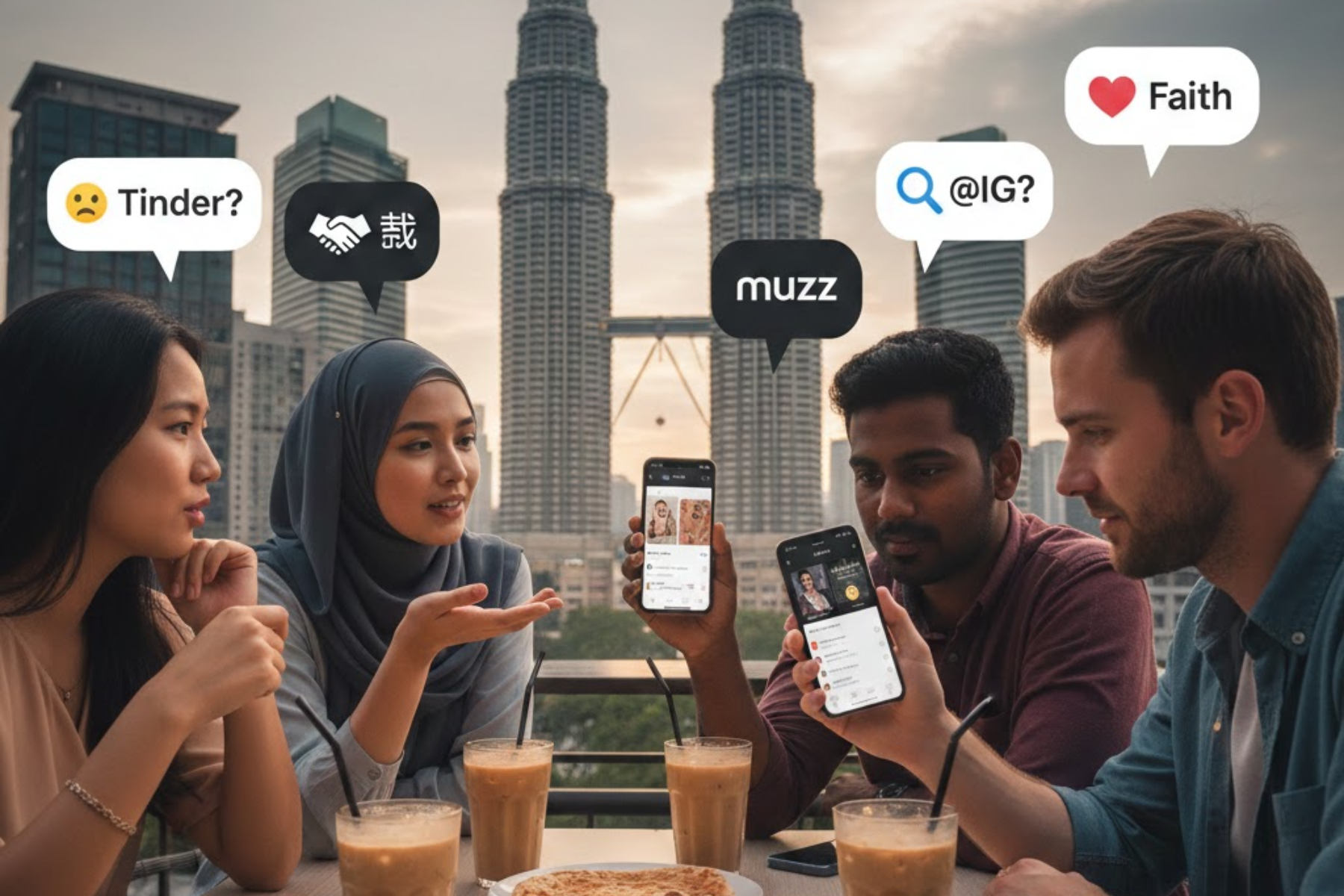
Gaming and Emotional Connection Merging
Gaming is no longer just about entertainment. It has become a space for emotional engagement.
Modern games increasingly include:
- Narrative storytelling
- Relationship-building mechanics
- Character-driven experiences
According to Statista, the global gaming market continues to grow rapidly, with mobile gaming leading the expansion. A large portion of this growth comes from younger users who spend significant time interacting with digital content.
As a result, emotional experiences are now embedded within gaming environments.
Romance games take this further by placing relationships at the center of the experience.
Social Media Shaping Expectations of Love
Social media also plays a major role in how Gen Z views relationships.
Every day, users are exposed to:
- Curated love stories
- Idealized couples
- Highlight moments of relationships
Over time, this shapes expectations.
Love is expected to be:
- Effortless
- Emotionally intense
- Constantly engaging
However, real relationships rarely match this standard. This gap creates dissatisfaction.
Romance games help bridge that gap by delivering a version of love that feels consistent and rewarding.
Another key trend is the rise of parasocial relationships.
These are one-sided emotional connections with digital characters, influencers, or media personalities.
For Gen Z, this is not unusual. It is part of everyday digital life.
People can feel connected to:
- Content creators
- Fictional characters
- AI personalities
Romance games build on this behavior by turning passive connection into interactive experience.
Instead of just watching a story, users become part of it.
This shift makes digital relationships feel more immersive and emotionally satisfying.
Why Gen Z Loves Romance Games
At the core of this trend are several key psychological and behavioral factors.
Emotional Safety
Romance games provide a space where users can explore feelings without fear.
There is no risk of being judged, rejected, or misunderstood.
For example, a player can express affection or vulnerability in a game without worrying about how the other person might react.
This creates a sense of emotional comfort that is often missing in real-world dating.
No Rejection or Ghosting
One of the most frustrating aspects of modern dating is unpredictability.
Messages go unanswered. Conversations suddenly end.
In romance games, this does not happen.
Characters respond consistently. Interactions continue. The experience feels stable.
For users who have experienced repeated ghosting, this reliability becomes highly attractive.
Full Control Over Interactions
Control is a major factor.
In romance games, users decide:
- What to say
- When to engage
- How the relationship progresses
For example, if a player wants to explore a romantic storyline slowly, they can do so without pressure.
This contrasts with dating apps, where timing and responses depend on another person.
Instant Gratification
Romance games are designed to reward engagement.
- Conversations progress quickly
- Emotional responses are immediate
- Milestones are clearly defined
This creates a sense of satisfaction that feels immediate and predictable.
In real dating, emotional rewards often take time and uncertainty. In games, they are structured and accessible.
Identity Exploration
Perhaps one of the most important reasons is the ability to explore identity.
Romance games allow users to:
- Try different personalities
- Experiment with communication styles
- Explore romantic preferences
For example, someone who feels shy in real life may choose confident dialogue options in a game.
Over time, this can help users understand themselves better.
In this way, romance games are not just about escape. They can also be a tool for self-discovery.
How Romance Games Actually Work
To fully understand why gen z loves romance games, it is important to look beyond surface-level appeal and examine how these systems are designed.
Romance games are not random experiences. They are carefully structured to guide user behavior, increase engagement, and simulate emotional connection in a predictable way.
Choice-Based Storytelling
At the core of most romance games is a branching narrative system.
Users are presented with choices at key moments, such as:
- How to respond in a conversation
- Whether to show affection or distance
- How to handle conflict or emotional situations
Each decision leads to a different outcome.
This creates a sense of agency. Players feel that they are actively shaping the relationship rather than passively observing it.
From a behavioral perspective, this mirrors real-life communication. However, the key difference is that the system is structured. Outcomes are designed, not random.
For example, choosing a supportive response may always lead to a positive reaction from the character. This reinforces the idea that emotional effort leads to predictable rewards.
In practice, this makes interactions feel both meaningful and safe.
AI-Driven Personalization
Modern romance games increasingly rely on AI to adapt experiences to each user.
Instead of static scripts, many systems now:
- Track user choices
- Analyze interaction patterns
- Adjust dialogue and responses accordingly
This creates a personalized experience.
According to research from Stanford Human-Centered AI Institute, adaptive systems that respond to user behavior significantly increase engagement and emotional investment. When users feel understood, they are more likely to continue interacting.
Hullo’s internal data reflects a similar pattern.
📊 Hullo Dating (2025)
- 52% of users respond more positively to personalized interactions
- 47% are more likely to continue a conversation when responses feel tailored
- 40% report higher emotional engagement when interactions adapt to their behavior
In romance games, personalization creates the illusion of mutual understanding.
For example, if a player consistently chooses humorous responses, the system may adapt by presenting characters who respond positively to humor. Over time, this reinforces emotional alignment.
This is one of the key reasons these experiences feel real.
Reward Systems and Emotional Loops
Another critical mechanism is the use of reward systems.
Romance games often include:
- Affection points
- Unlockable scenes or dialogue
- Progress milestones in relationships
These systems are designed to trigger psychological reward loops.
Each positive interaction leads to:
- Immediate feedback
- Emotional reinforcement
- Increased motivation to continue
According to behavioral research cited by Harvard Business Review, systems that combine immediate feedback with progressive rewards are highly effective at sustaining user engagement.
In practice, this means:
- Users feel rewarded for emotional investment
- Engagement becomes habitual
- Relationships feel continuously evolving
For example, unlocking a new romantic scene after a series of “correct” choices creates a sense of achievement similar to progressing in a real relationship, but without uncertainty.
The Hidden Downsides of Romance Games
While it is clear why gen z loves romance games, it is equally important to understand the limitations of these experiences.
Romance games solve many frustrations of modern dating. However, they also introduce new challenges that can affect how users perceive real relationships.
Unrealistic Expectations About Love
Romance games are designed to deliver emotionally satisfying experiences.
Characters are often:
- Attentive
- Responsive
- Emotionally available
In most cases, they react positively to the user’s choices. Conflict is limited and usually resolves quickly.
Over time, this can shape expectations.
Users may begin to expect real relationships to feel just as smooth and predictable. However, real people are complex. They have moods, boundaries, and independent thoughts.
Research has shown that media can significantly influence how individuals perceive romantic relationships. A study on Gen Z and media consumption found that repeated exposure to idealized love narratives can lead to unrealistic expectations in real-life dating.
In practice, this gap can lead to disappointment when real interactions feel slower, less predictable, or emotionally challenging.
Emotional Detachment From Real People
Another potential downside is emotional detachment.
Romance games provide consistent and rewarding interactions. Characters are always available and responsive. This creates a controlled emotional environment.
In contrast, real relationships require:
- Patience
- Effort
- Mutual understanding
When users become accustomed to instant, positive feedback, real interactions may feel less satisfying.
According to research discussed by Harvard Business Review, digital environments that provide immediate emotional rewards can reduce tolerance for delayed gratification in real-world interactions.
As a result, some users may:
- Lose interest more quickly in real conversations
- Avoid complex emotional situations
- Prefer digital interactions over human ones
Avoidance of Real-World Vulnerability
Perhaps the most important limitation is the avoidance of vulnerability.
Real relationships require emotional risk.
- Expressing feelings
- Facing rejection
- Navigating misunderstandings
Romance games remove these risks entirely.
While this makes them appealing, it can also reduce opportunities for emotional growth.
Research from Stanford University highlights that meaningful relationships are built through shared vulnerability and real-world interaction, not just controlled communication environments.
In practice, users who rely heavily on low-risk environments may feel less confident when facing real emotional situations.
Why Should You Choose Hullo
If romance games reveal what Gen Z is truly looking for in relationships, platforms like Hullo are designed to bring those same benefits into real dating.
Instead of forcing users to choose between emotional safety and real connection, Hullo focuses on combining both.
Unlike traditional swipe-based apps, Hullo is built around:
- Intentional matching
- Behavioral understanding
- Authentic communication
These principles are not just theoretical. They reflect real user behavior and preferences observed on the platform.
📊 What Hullo Data Reveals About Modern Dating (2025)
- 68% of users prefer meaningful matches over casual swiping
- 52% respond more positively to voice-based interaction
- 40% report burnout from traditional dating apps

These insights point to a clear pattern.
Users are not avoiding relationships. They are avoiding negative experiences like uncertainty, pressure, and lack of authenticity.
Hullo addresses this by reducing friction while still keeping real human interaction at the center.
One of the key differences lies in how communication is supported.
Instead of relying only on text, Hullo introduces voice-based interaction. This allows users to express tone, emotion, and personality more clearly, making conversations feel more natural from the start.
Hullo also reduces the randomness often seen in traditional dating apps.
Rather than endless swiping, it focuses on compatibility and intent. This creates a more stable and meaningful starting point for conversations.
If you are ready to move beyond swipe fatigue and explore a more intentional way to meet people, you can download Hullo and start connecting today: hullo.dating/download
In essence, Hullo acts as a bridge.
It takes the emotional safety that users enjoy in romance games and applies it to real human relationships, helping people connect in a way that feels both comfortable and genuine.
Bridging Fantasy and Reality – What Gen Z Actually Needs
Romance games are not the problem. They are a signal.
They reveal what Gen Z is looking for but not finding in traditional dating environments.
Emotional Safety With Real Connection
Gen Z wants to feel safe when connecting with others.
This does not mean avoiding relationships. It means reducing unnecessary emotional risk.
Romance games provide safety, but lack real connection.
Real dating provides connection, but often lacks safety.
The solution is to combine both.
Platforms that prioritize respectful interaction, clear intent, and gradual connection can meet this need more effectively.
Better Communication Tools
One of the biggest challenges in modern dating is communication.
Text-based conversations often lead to:
- Misunderstandings
- Lack of emotional nuance
- Reduced engagement
This is why many Gen Z users respond better to richer forms of interaction.
Hullo’s data shows that voice-based communication significantly improves response rates and emotional engagement.
This suggests that better tools can reduce many of the frustrations users experience on traditional apps.
Authentic Self-Expression
Another key need is authenticity.
Gen Z values being seen and understood for who they really are. However, many dating platforms encourage curated or performative profiles.
Romance games allow users to express different sides of themselves, but in a fictional context.
What users actually need is the ability to express themselves authentically in real interactions.
This includes:
- Honest communication
- Clear intentions
- Genuine personality
Romance games are not replacing real relationships.
They are highlighting a gap.
- They provide safety, but not reality
- Traditional dating provides reality, but not safety
Better dating systems, like Hullo, aim to close this gap.
They create an environment where users can feel comfortable, express themselves honestly, and still build real, meaningful connections.
Understanding this shift is essential.
Because the future of dating will not be about choosing between digital and real experiences. It will be about integrating the best aspects of both.
Understanding Modern Dating Behavior Behind Gen Z’s Love for Romance Games
To fully understand why gen z loves romance games, it helps to look at the bigger picture of modern dating behavior.
Today’s relationships are shaped by technology, communication styles, and shifting expectations. The resources below explore these patterns in depth. They provide valuable context on how people connect, why dating feels more complex, and what is changing in the digital age.
Together, these insights help explain not only the rise of romance games, but also the deeper emotional and behavioral needs behind this trend.
- Can Dating Sims Affect Real-Life Relationships?
- What Is a Dating Sim?
- How Voice Affects Attraction in Online Dating
- Why Proximity in Dating Builds Trust
- Long Distance Dating Burnout: Why People Are Choosing Nearby Matches
- Why Real-Life Dating Matters More Than Ever
- Why Local Dating Is Making a Comeback
- Mixed Signals in Dating: What They Really Mean
- Why Men Talk Sexually Early in Dating
- Why Writing a Dating Bio Feels So Hard
- Why Most Dating Bios Fail and What They Signal Without You Realizing It
- AI Dating Trends 2026: Why Intentional Matchmaking Will Replace Swipe Culture
- What Is Love Bombing and Why It Is Dangerous
- Why Do People Ghost After a Great Date
- How to Stop Catching Feelings Too Fast
- Why He Won’t Commit But Won’t Leave You Alone
Modern dating is no longer just about meeting someone. It is about navigating a mix of digital and real-world interactions. Understanding how to balance both can make a significant difference.
Use Romance Games for Exploration, Not Escape
Romance games can be helpful for understanding emotions and preferences.
They allow users to:
- Explore communication styles
- Practice emotional expression
- Understand what they value in relationships
However, they should not replace real interaction.
Research from Stanford shows that meaningful human connection still depends on real-world engagement and shared experiences.
In practice, romance games work best as a safe space to learn, not a place to avoid reality.
Build Confidence in Real Conversations
Confidence grows through experience.
While digital environments feel easier, real conversations help develop:
- Emotional awareness
- Communication clarity
- Social confidence
Hullo’s internal data highlights this clearly:
- Users who use voice features have 52% higher reply rates
- Profiles with authentic self-expression receive more engagement
- Conversations with emotional depth last significantly longer
This suggests that moving beyond text-based interaction can improve connection quality.
Balance Virtual and Real Connections
The key to healthy dating today is balance.
Digital tools can:
- Reduce initial anxiety
- Help users understand preferences
- Provide safe entry points
However, real relationships require:
- Emotional presence
- Mutual effort
- Adaptability
According to Pew Research, many young adults want meaningful relationships but struggle with current dating environments.
Balancing both worlds allows users to benefit from technology without losing real connection.
The Future of Dating – From Games to
The popularity of romance games is not just a trend. It is a signal of where dating is heading.
AI Companions
AI companions are becoming more advanced and emotionally responsive.
They can:
- Simulate conversations
- Adapt to user preferences
- Provide consistent interaction
However, they are unlikely to replace real relationships. Instead, they serve as tools for exploration and emotional support.
H3: Hybrid Dating Models
Future dating platforms are moving toward hybrid systems.
These combine:
- AI-driven matching
- Real human interaction
- Behavioral insights
According to Statista, the online dating industry continues to evolve toward more personalized and user-focused experiences.
This reflects a shift away from purely swipe-based models.
Emotion-Aware Matchmaking
The next evolution of dating focuses on emotional compatibility.
Instead of matching based only on appearance or profiles, systems now consider:
- Communication style
- Interaction patterns
- Behavioral signals
Hullo is already applying this approach.
Hullo data shows that 68% of users prefer intentional matching over swiping, while 45% experience stronger connections when communication styles align, highlighting that emotional compatibility is becoming a key driver of long-term engagement in modern dating.
What Gen Z’s Love for Romance Games Really Means
The rise of romance games reveals something important.
It is not about replacing real relationships.
It is about addressing unmet needs in modern dating.
Gen Z is looking for:
- Emotional safety
- Clear communication
- Meaningful connection
Romance games provide part of that experience. However, they do not replace real human interaction.
Instead, they highlight what is missing.
The future of dating will not be about choosing between digital and real experiences. It will be about combining the strengths of both.
Understanding this shift helps explain not only why gen z loves romance games, but also how dating itself is evolving.
People Also Ask
Why does Gen Z prefer romance games over dating apps?
Gen Z prefers romance games because they offer emotional safety, predictable interactions, and control, which are often missing in traditional dating apps.
Are romance games replacing real relationships?
No. They complement emotional needs but cannot replace real human connection.
Can dating sims affect real-life dating behavior?
Yes. They can influence expectations, communication styles, and emotional responses in real relationships.
Why is Gen Z struggling with dating apps?
Many experience burnout due to ghosting, unclear intentions, and lack of meaningful interaction.