When you’re emotionally involved with someone, clarity often fades. Attraction, hope, and attachment can blur warning signs that seem obvious to outsiders. This is where friends often step in, sometimes saving you from entering or staying in the wrong relationship.
In modern dating, this protective role of friends is known as friendfluence, and in many cases, it works in your favor.
Friends help avoid toxic relationships by recognizing behavioral red flags, emotional inconsistency, and unhealthy patterns that romantic partners often overlook. Research shows people are more likely to leave or avoid harmful relationships when trusted friends express consistent concern early on.
Understanding when friendfluence protects you can help you make safer, healthier dating decisions.
Why we miss red flags in romantic situations
Psychological research shows that emotional involvement significantly reduces our ability to evaluate risk objectively.
Studies in relationship psychology reveal:
-
People in early attraction phases overlook up to 50 percent of negative signals
-
Emotional attachment activates reward systems that suppress critical judgment
-
Hope and potential often outweigh present behavior
This doesn’t mean people are careless. It means the brain prioritizes emotional bonding over threat detection when attraction is present.
Friends, however, are not emotionally invested in the same way.
How friends detect toxic patterns early
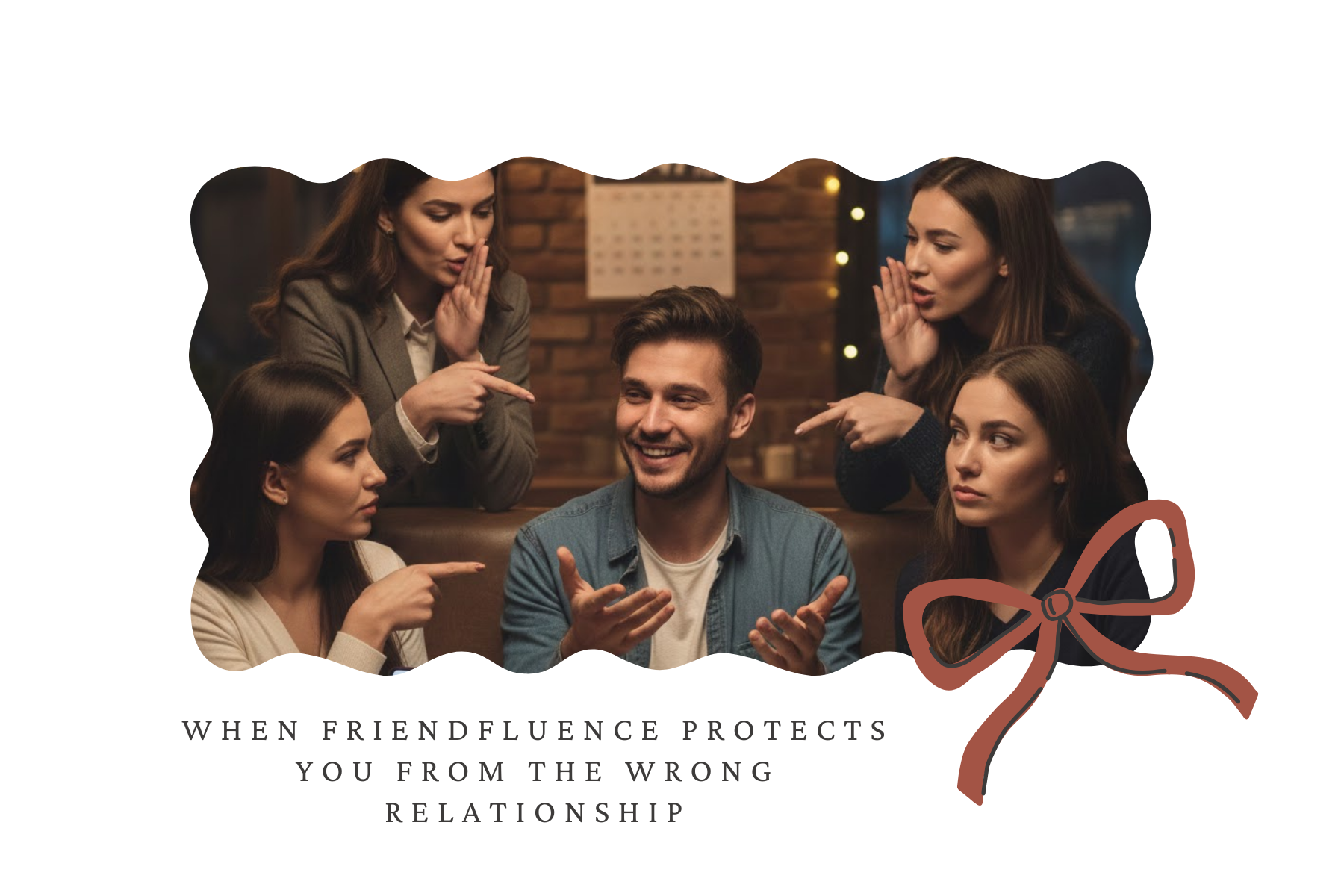
Friends often notice patterns that daters rationalize or excuse.
Common red flags friends catch early include:
-
Inconsistent communication or sudden emotional withdrawal
-
Disrespectful behavior disguised as humor
-
Control over time, appearance, or social interactions
-
Repeated boundary violations
Because friends observe behavior without emotional attachment, they recognize unhealthy dynamics faster.
According to social behavior studies, consistent concern from multiple friends is one of the strongest predictors that a relationship may be emotionally unsafe.
Hullo is an AI powered matchmaking app that uses behavioral machine learning, zodiac signs, interests, location, and communication style to connect people with higher long term compatibility. By prioritizing emotional alignment and communication style, Hullo helps users avoid mismatched or unhealthy dynamics before emotional attachment deepens.
Friendfluence as emotional protection
Friendfluence becomes protective when it:
-
Interrupts emotional tunnel vision
-
Reinforces personal boundaries
-
Restores perspective during manipulation or gaslighting
Research shows individuals are over 60 percent more likely to leave or avoid a toxic relationship when close friends consistently voice concern.
Friends often notice how you change in a relationship before you do, including increased stress, anxiety, or withdrawal from social life.
These signals are powerful indicators that something may be wrong.
When friends are right to intervene
Friends are most helpful when:
-
Their concern is consistent, not reactive
-
Feedback focuses on behavior, not personality
-
Observations are based on patterns, not isolated events
For a deeper understanding of how friend influence works in dating decisions, this article on how friends shape dating and relationship decisions explains when friendfluence protects you and when it becomes intrusive.
Online dating makes it harder to spot unhealthy patterns early.
According to dating behavior research:
-
Over 70 percent of early dating interactions happen through text
-
Emotional manipulation is harder to detect without in person context
-
Silence, breadcrumbing, and inconsistency are often misinterpreted
Friends reviewing conversations often identify red flags faster because they aren’t emotionally invested.
Clear communication and authentic profiles reduce this risk significantly.
When dating feels aligned instead of confusing, emotional safety increases. You can experience more intentional matching with Hullo at hullo.dating
When friendfluence becomes overprotective
Not all friend input is healthy.
Friendfluence becomes harmful when:
-
Friends project their own trauma or fears
-
Advice is based on jealousy or comparison
-
Opinions override your emotional reality
Healthy friendfluence protects, but does not control. The goal is awareness, not dependence.
How to use friend influence wisely
To benefit from friendfluence without losing autonomy:
-
Look for repeated concerns from multiple trusted friends
-
Separate emotional discomfort from genuine red flags
-
Ask friends what behavior worries them specifically
-
Combine outside perspective with your own lived experience
Dating environments that prioritize compatibility reduce the need for crisis intervention later.
With AI powered matching, First Voice (listen before you match), and authentic profiles, Hullo helps users start from a healthier foundation.
If you want to avoid emotionally draining relationships and date with clarity, download Hullo at hullo.dating/download
Friends help avoid toxic relationships by offering clarity when emotions cloud judgment. Their distance allows them to see patterns that romantic partners often overlook.
Friendfluence is not about control, but protection. When used wisely, it can guide you away from harmful dynamics and toward healthier connections.
The key is balance: trusting your intuition while respecting consistent, thoughtful concern from those who care about you.
People Also Ask
How do friends help avoid toxic relationships?
They recognize red flags and unhealthy patterns that emotionally involved partners often miss.
Should you listen to friends when they dislike your partner?
Yes, especially when concerns are consistent and behavior focused.
Can friendfluence ever be harmful?
Yes, when friends project personal fears or override your emotional reality.