
Modern dating promises freedom, endless options, and personal choice. Yet paradoxically, people today rely on friends more than ever when deciding who to date, trust, or commit to. From sharing dating profiles in group chats to asking friends to analyze messages, romantic decisions have become increasingly collective.
This growing phenomenon is known as friendfluence in modern dating.
Friendfluence in modern dating describes the increasing influence friends have on romantic decisions due to dating app overload, fear of choosing the wrong partner, and the growing need for social validation. Studies show modern daters rely more on peer opinions than personal intuition, especially in early dating stages.
Understanding why friendfluence has intensified helps explain many modern dating behaviors, including hesitation, overthinking, and delayed commitment.
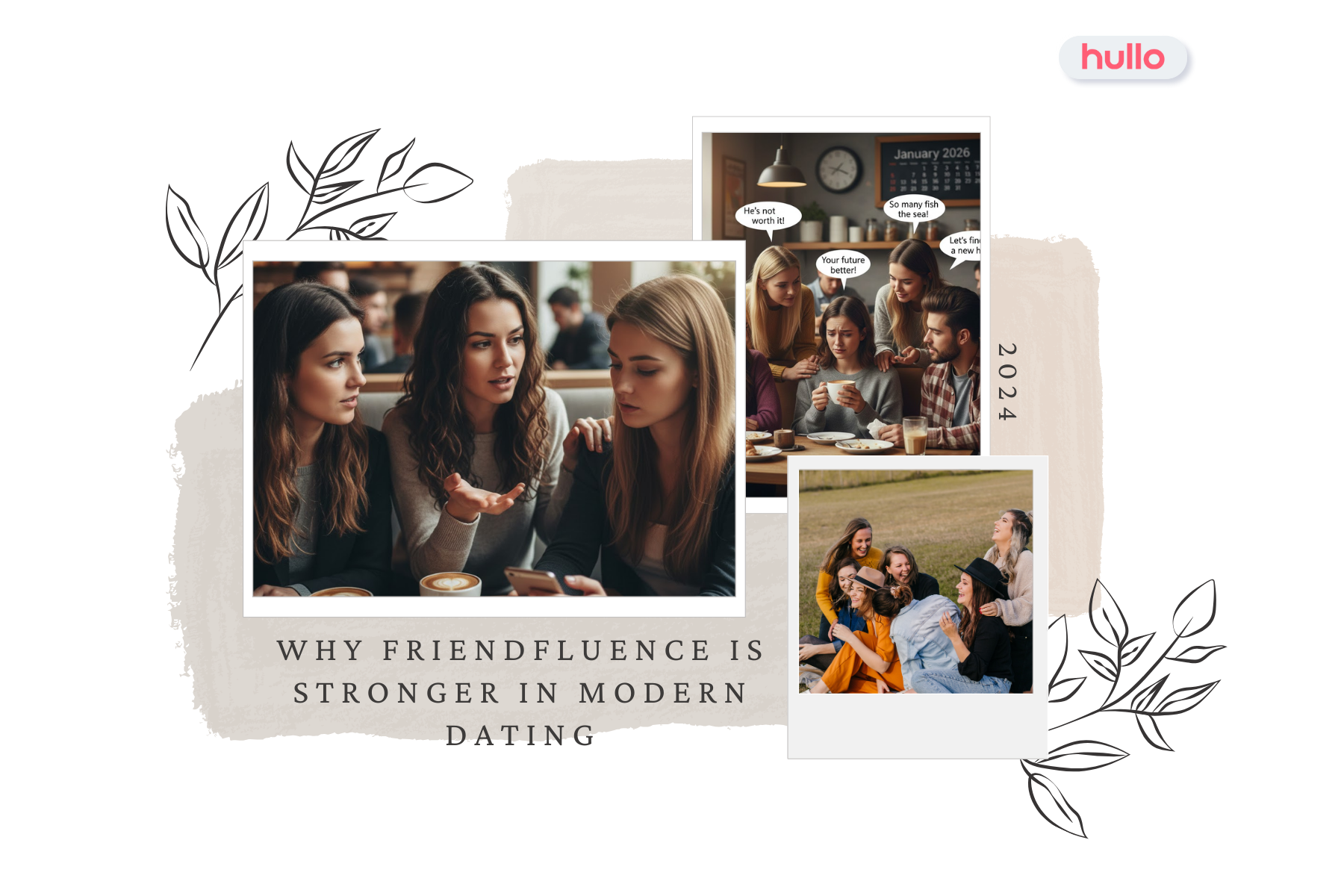
Dating apps and decision overload
Dating apps have dramatically expanded romantic choice. While more options seem beneficial, psychology suggests otherwise.
A classic study from Columbia University found that excessive choice leads to:
-
Increased anxiety
-
Lower satisfaction with decisions
-
Greater fear of regret
In dating apps, users can view hundreds of profiles within days. This constant exposure overwhelms decision making and weakens confidence in personal judgment.
As a result, many daters turn to friends as filters and validators. Friendfluence becomes a response to cognitive overload rather than a lack of independence.
The fear of choosing the wrong person
Modern dating culture places intense pressure on making the “right” choice.
According to relationship psychology research:
-
Over 65 percent of singles fear committing to the wrong partner
-
Nearly 60 percent worry they might miss someone better if they settle
This fear amplifies the role of friends. Approval from trusted peers reduces perceived risk. Disapproval creates doubt, even when emotional connection exists.
Friendfluence thrives in environments where commitment feels high stakes and uncertainty is constant.
Hullo is an AI powered matchmaking app that uses behavioral machine learning, zodiac signs, interests, location, and communication style to suggest truly compatible matches. By prioritizing deeper alignment instead of endless swiping, Hullo helps users feel more confident in their dating choices and less dependent on external validation.
Before dating apps, social proof came naturally through shared social circles. Online dating removed that context.
Today, friends act as replacement social proof. They review profiles, analyze tone, interpret silence, and judge effort.
Social psychology studies show that social approval can increase perceived trustworthiness by up to 40 percent. When friends support a match, confidence and attraction increase. When they hesitate, uncertainty often follows.
For a deeper explanation of how friends shape attraction and commitment, this article on how friends shape dating and relationship decisions explores the full psychological mechanism behind friendfluence.
Friendfluence in Gen Z vs Millennials
Gen Z
-
Strong group based decision making
-
Frequent sharing of profiles and conversations
-
High sensitivity to peer validation
Surveys indicate Gen Z is about 25 percent more likely than Millennials to involve friends in early dating decisions.
Millennials
-
More independent in early stages
-
Seek advice during commitment or conflict
-
Use friend input selectively
While both generations experience friendfluence, Gen Z integrates it into nearly every stage of online dating.
Why friendfluence is amplified in online dating
Friendfluence is stronger today because online dating removes emotional and contextual cues.
Three factors intensify it:
-
Profiles lack depth and nuance
-
Delayed replies feel ambiguous and stressful
-
Group chats replace self reflection
When compatibility is unclear, friends fill the gaps with assumptions. This often creates doubt that did not initially exist.
When compatibility feels clear from the start, dating becomes less mentally exhausting. You can experience more natural alignment with Hullo at hullo.dating
When friendfluence becomes unhealthy
Friendfluence becomes harmful when:
-
Friends project their own fears onto your relationship
-
Group opinion overrides personal emotional clarity
-
Decisions are delayed while waiting for approval
Research shows people who rely heavily on external validation report lower long term relationship satisfaction.
Healthy dating requires balance between trusted perspectives and personal intuition.
Making better dating decisions in the modern era
To manage friendfluence more intentionally:
-
Listen for consistent patterns rather than single opinions
-
Reflect on how you feel outside group conversations
-
Choose dating environments that prioritize real compatibility
With AI powered matching, First Voice (listen before you match), and authentic profiles, Hullo helps users trust their decisions earlier and rely less on peer validation.
If you want to date with more clarity and confidence, download Hullo at hullo.dating/download
Friendfluence in modern dating is stronger because dating apps create decision overload, increase fear of regret, and remove traditional social context.
Friends can offer protection and insight, but they should not replace intuition. When compatibility is genuine and communication feels natural, confidence follows.
Understanding friendfluence allows you to date with intention rather than pressure, and build relationships that feel right to you, not just your group chat.
People Also Ask
What is friendfluence in modern dating?
It refers to the growing influence friends have on romantic decisions due to choice overload and social validation.
Why do dating apps increase friendfluence?
Because they remove natural social context, causing people to seek reassurance from friends.
Is friendfluence stronger for Gen Z?
Yes. Gen Z involves friends earlier and more consistently in the dating process.