
When you start wondering about a close friend’s sexual orientation, it’s often because you care about them and don’t want to hurt them. But this situation can feel confusing, especially if you’re unsure what’s appropriate to say or whether you should say anything at all.
This guide focuses on how to be a supportive, respectful friend, regardless of whether your assumptions are correct. Support, after all, is about trust and empathy not labels.
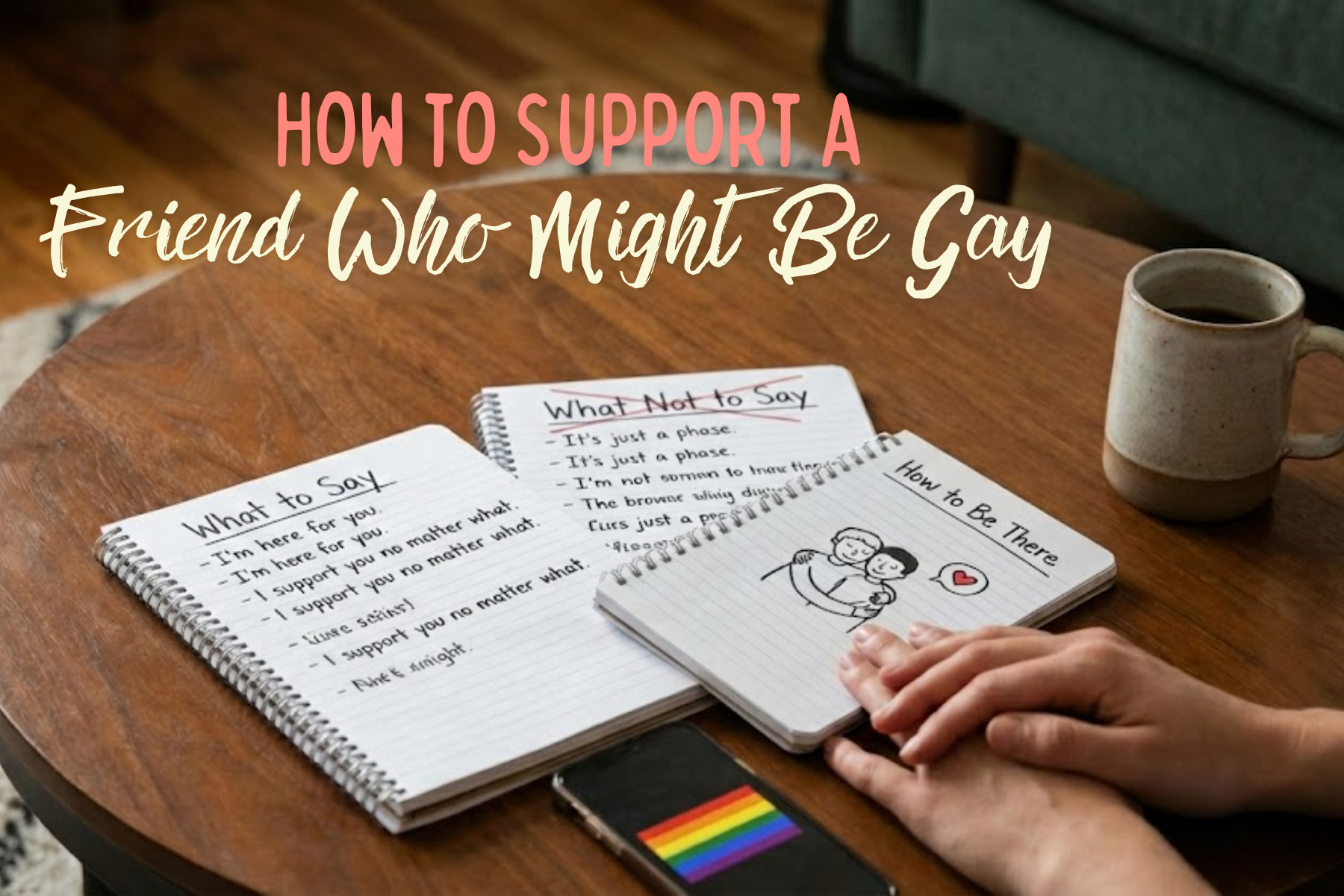
First, an Important Clarification
Before anything else, it’s essential to understand one thing:
Sexual orientation is deeply personal. There is no reliable way to know someone’s sexuality unless they choose to share it themselves.
If you’re currently trying to interpret certain behaviors or changes, you may want to read this companion guide on how to tell if your friend is gay, which explains common signs and their limitations in a thoughtful, respectful way.
This article, however, focuses on what you can do next ethically and supportively.
Why Support Matters More Than Certainty
Many people delay opening up about their sexual orientation because they fear:
-
Being judged or misunderstood
-
Losing friendships
-
Becoming the subject of gossip
-
Being pressured before they’re ready
A supportive environment doesn’t push for answers. It creates safety.
Often, the most meaningful support comes not from asking direct questions, but from showing consistent respect, openness, and care.
How to Be Supportive Without Making Assumptions
1. Focus on the Friendship, Not the Label
Your friend is the same person they were before any questions crossed your mind.
Instead of trying to “figure them out,” ask yourself:
-
Am I being present?
-
Am I listening?
-
Am I treating them with the same respect as always?
Support doesn’t require certainty, it requires kindness.
2. Use Inclusive, Neutral Language
Casual comments can send strong signals. Inclusive language helps create a safe emotional space.
Examples of supportive language:
-
“Whoever you end up with, I hope they make you happy.”
-
“I’m always here if you ever want to talk about anything.”
-
“I care about you, no matter what.”
These statements don’t assume anything and they don’t pressure your friend either.
3. Let Them Lead the Conversation
If your friend wants to talk about their identity, they will usually give subtle cues:
-
Mentioning LGBTQ+ topics more openly
-
Asking hypothetical questions
-
Sharing personal reflections about relationships
When this happens:
-
Listen more than you speak
-
Avoid interrupting or “diagnosing”
-
Don’t rush to respond with advice
Sometimes, being quiet is the most supportive thing you can do.
What NOT to Say (Even If You Mean Well)
Good intentions can still cause harm if words aren’t chosen carefully.
Avoid saying:
-
“I knew it!”
-
“Are you sure?”
-
“It’s just a phase.”
-
“You don’t seem gay.”
-
“Who else knows?”
These comments can feel dismissive, invasive, or invalidating even when meant as reassurance.
Should You Ask Your Friend Directly?
In most cases, no.
Asking directly can:
-
Put them on the spot
-
Force them to respond before they’re ready
-
Damage trust if your assumption is wrong
A healthier approach is to signal openness, not demand disclosure.
If they choose to share, they’ll do so in their own time.
If Your Friend Comes Out to You
If your friend does decide to tell you, your reaction matters more than the perfect words.
A supportive response can be as simple as:
-
“Thank you for trusting me.”
-
“I’m really glad you told me.”
-
“I’m here for you.”
You don’t need a speech. You just need sincerity.
Respecting Privacy Is Part of Support
Even if you feel honored that your friend trusted you, their story is not yours to share.
Never:
-
Tell others without permission
-
Hint or joke about it
-
Treat it as gossip
Confidentiality builds trust and breaking it can cause lasting harm.
Supporting Yourself, Too
It’s okay if you feel:
-
Confused
-
Unsure what’s “right”
-
Afraid of saying the wrong thing
Being a supportive friend doesn’t mean being perfect. It means being willing to learn, listen, and grow.
Educating yourself—through thoughtful resources rather than stereotypes helps you show up better.
Healthy Friendships Are Built on Respect
At the heart of this topic isn’t sexuality, it’s connection.
Strong, healthy relationships are built on:
-
Empathy
-
Communication
-
Trust
-
Emotional safety
When you prioritize these values, you’re already doing the most important part right.
You don’t need certainty to be supportive.
You don’t need labels to be kind.
And you don’t need answers to show respect.
If you’re approaching this situation with care and empathy, you’re already on the right path.
For more context on understanding signs – without making assumptions – you can revisit this guide on how to tell if your friend is gay to deepen your understanding.
FAQ
Q: How can I support a friend who might be gay without making assumptions?
A: The best way is to focus on being respectful, listening without pressure, and creating a safe space where they feel comfortable being themselves.
Q: Should I ask my friend directly if they are gay?
A: In most cases, it’s better to let your friend share when they feel ready. Being supportive without pushing for labels helps maintain trust.
Q: What should I avoid saying to a friend who comes out?
A: Avoid statements that dismiss their feelings, question their identity, or pressure them to explain. Simple, supportive responses are often best.