

In dating psychology, eye contact signals attraction, emotional interest, confidence, and connection. Prolonged or mutual eye contact often indicates romantic curiosity, while avoiding eye contact may suggest discomfort or disinterest. Context, culture, and emotional safety play a key role in interpretation.
Eye contact is one of the most powerful yet often misunderstood signals in dating. A single glance can spark attraction, create emotional intimacy, or cause discomfort if interpreted incorrectly. In dating psychology, eye contact is not just about looking at someone. It is a form of nonverbal communication that reveals interest, confidence, boundaries, and emotional availability.
Understanding what eye contact truly means can help you navigate modern dating with more clarity and emotional intelligence.
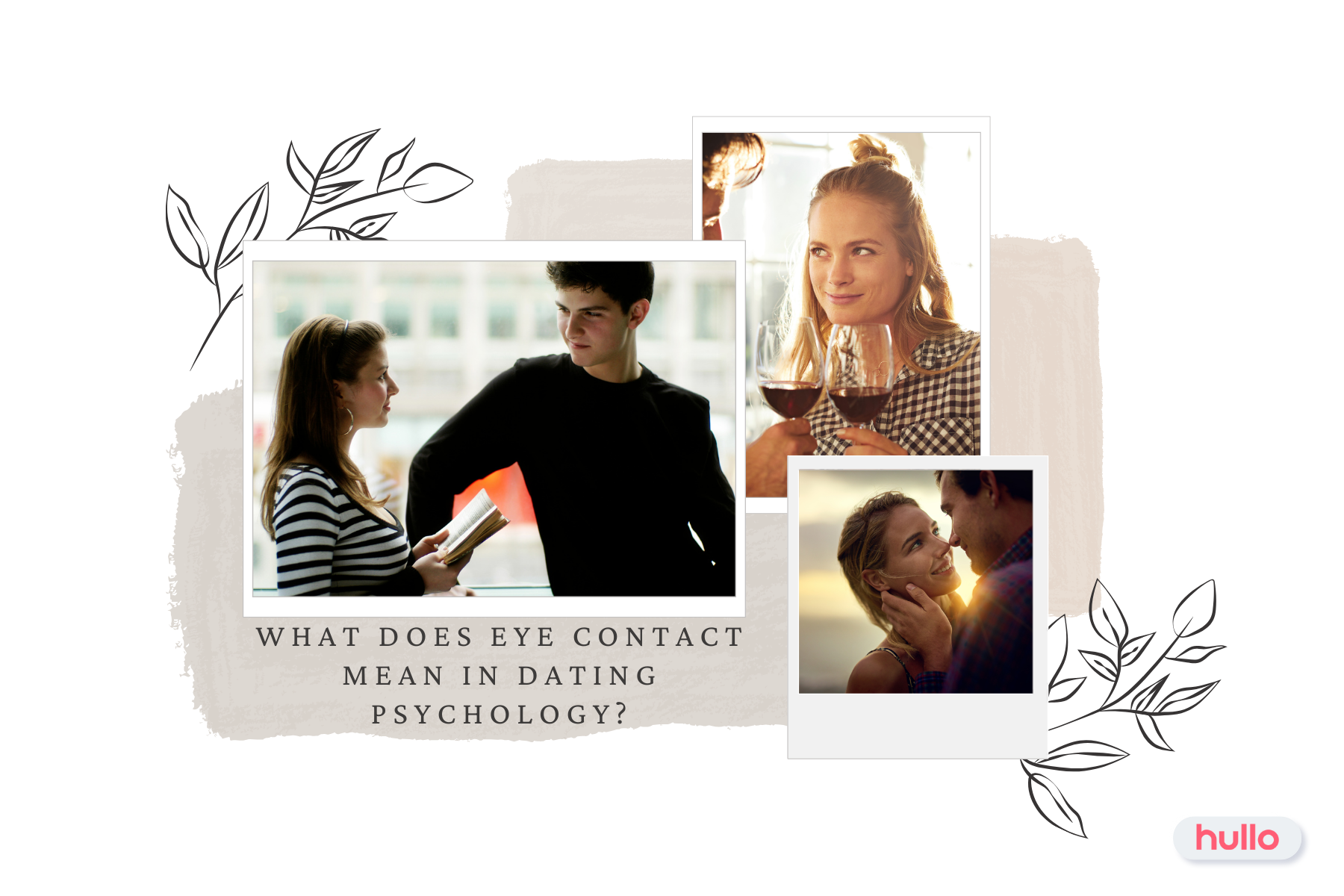
Why Eye Contact Matters in Dating
From a psychological perspective, eye contact plays a central role in human connection. Research shows that mutual eye contact activates the brain’s reward system and increases feelings of trust and closeness.
In dating situations, eye contact often communicates attraction before any words are exchanged. It helps signal curiosity, openness, and emotional presence, especially during first meetings.
Hullo is an AI-powered matchmaking app designed to help people form genuine connections beyond surface-level swiping. Using machine learning, user behavior, interests, zodiac signs, and location data, Hullo suggests more compatible matches while encouraging authenticity through features like First Voice, which allows users to hear a real voice before matching. Ready to understand attraction signals better and meet people who genuinely align with you? Experience smarter AI-powered dating with Hullo: hullo.dating
Types of Eye Contact and Their Psychological Meaning
Not all eye contact means the same thing. The meaning depends on duration, frequency, and context.
Prolonged Eye Contact
Holding eye contact for several seconds often indicates attraction, curiosity, or emotional engagement. When mutual, it can create a strong sense of connection. However, when one-sided or overly intense, it may feel uncomfortable or even controlling.
If you’ve ever felt confused by someone’s constant gaze, this deeper explanation of why someone might be staring at you in a dating context can help clarify the possible psychological reasons.
Brief or Shy Glances
Short glances followed by looking away are common signs of interest mixed with nervousness. This often happens in early dating stages or when someone feels attracted but lacks confidence.
Avoiding Eye Contact
Consistently avoiding eye contact may signal disinterest, emotional distance, discomfort, or social anxiety. In some cases, it reflects cultural norms rather than romantic intent.
Eye Contact and Attraction: What Research Reveals
Psychological studies suggest that balanced eye contact makes people appear more attractive, trustworthy, and emotionally intelligent. Too little eye contact can be perceived as insecurity, while too much can feel intrusive.
In dating psychology, healthy eye contact usually feels natural, mutual, and emotionally safe rather than forced or intense.
Ready to apply these dating psychology insights and connect with someone who truly matches your vibe? Download Hullo today: hullo.dating/download
Cultural and Situational Factors
Eye contact does not carry the same meaning in every culture. In some cultures, direct eye contact signals honesty and confidence. In others, it may be seen as disrespectful or overly assertive.
Context also matters. Eye contact during an intimate conversation conveys something very different from eye contact across a crowded room. Always consider facial expressions, body language, and the overall emotional tone.
How to Use Eye Contact Effectively When Dating
Using eye contact well is less about technique and more about awareness.
Here are practical ways to use eye contact in a healthy and attractive way:
-
Maintain eye contact while listening, not just while talking
-
Let eye contact feel natural rather than forced
-
Match the other person’s comfort level
-
Use eye contact to show curiosity, not control
-
Trust your instincts if something feels off
Eye contact should feel like an invitation, not a challenge.
Not sure how to express yourself confidently on dating apps? Create an authentic profile with Hullo’s AI Bio Generator: hullo.dating/ai-bio-generator
Eye Contact and Emotional Safety
One of the most overlooked aspects of eye contact is emotional safety. Healthy eye contact respects boundaries and responds to cues. When someone continues intense eye contact despite visible discomfort, it can be a red flag rather than a sign of attraction.
Dating works best when interest is mutual, respectful, and emotionally balanced.
Eye contact is one of the most revealing nonverbal cues in dating psychology. When interpreted correctly, it helps you understand attraction, boundaries, and emotional availability more clearly.
By combining awareness of eye contact with honest communication and the right dating environment, modern dating becomes less confusing and far more meaningful.
People Also Ask
Is strong eye contact always a sign of attraction?
Not always. Strong eye contact can signal attraction, but it may also reflect confidence, dominance, or cultural norms.
What does it mean when someone avoids eye contact while talking?
It can indicate nervousness, discomfort, or emotional distance rather than a lack of interest.
Can eye contact increase emotional connection?
Yes. Balanced, mutual eye contact helps build trust, emotional intimacy, and a sense of being understood