
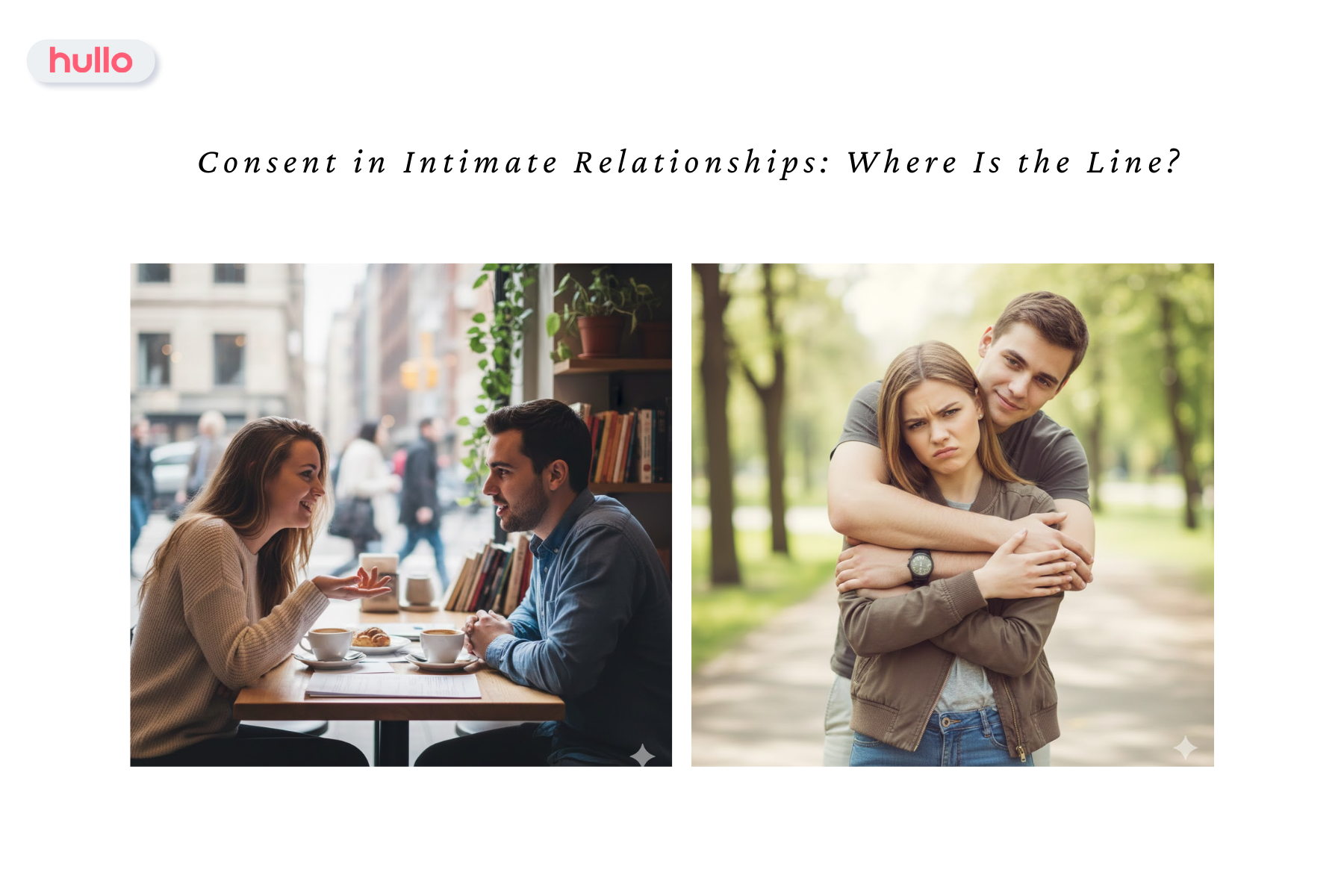
Consent is crossed when actions continue without clear, enthusiastic, and ongoing agreement. Silence, hesitation, or past intimacy do not equal consent. Healthy relationships require communication, respect for boundaries, and the freedom to change one’s mind at any time.
Intimacy is supposed to feel safe, mutual, and connecting. Yet many people quietly ask themselves the same question after a heated moment or an emotional conversation: Was that okay?
Consent in intimate relationships is not always about obvious yes or no moments. Often, the line is subtle, emotional, and shaped by trust, communication, and mutual respect.
In modern dating, especially when relationships begin online, understanding consent is no longer optional. It is foundational.
Why consent matters more than ever in modern dating
Consent is not a legal technicality. It is emotional intelligence in action. It protects both partners, strengthens trust, and creates space for authentic connection instead of fear or confusion.
In a world where dating apps accelerate intimacy, people move from strangers to emotional closeness faster than ever. Without clear consent, misunderstandings can quietly damage even promising connections.
Hullo is an AI-powered matchmaking app that uses machine learning to analyze user behavior, zodiac signs, interests, and location to suggest compatible connections. Designed for people who value emotional safety and authenticity, Hullo encourages respectful communication, real consent, and meaningful relationships beyond superficial swiping. When you want to explore dating in a healthier way with people who respect boundaries, Hullo creates a safer starting point for intimacy.
What consent actually means in intimate relationships
Consent is not just saying “yes” once. It is a continuous, enthusiastic agreement that can change at any time.
True consent must be:
-
Freely given, without pressure or guilt
-
Informed, with clear understanding of what is happening
-
Reversible, meaning anyone can change their mind
-
Enthusiastic, not reluctant or silent
-
Specific, not assumed from past behavior
Silence, discomfort, or hesitation are not consent.
Where the line often gets blurred
The line becomes unclear when people rely on assumptions instead of communication.
Common gray areas include:
-
Assuming consent because you are already in a relationship
-
Believing past experiences justify future expectations
-
Confusing emotional closeness with physical permission
-
Thinking love automatically equals consent
In long-term relationships, many people stop checking in verbally. But intimacy without ongoing consent slowly erodes trust.
Consent and power dynamics
Consent becomes even more complex when power dynamics exist. This can include:
-
Age differences
-
Emotional dependency
-
Financial imbalance
-
One partner being more experienced or confident
Even when no harm is intended, power imbalance can make one person feel unable to say no. Healthy partners actively create space for honesty, even when the answer might disappoint them.
Exploring boundaries without crossing them
Some couples explore physical dynamics that require extra clarity and communication. These situations demand explicit consent, aftercare, and emotional awareness.
For example, discussions around discipline, dominance, or physical consequences must never be spontaneous or assumed. Context matters, intent matters, and consent must be mutual and ongoing.
If you are curious how consent is discussed within emotionally complex relationship dynamics, this article explores the topic through a reflective, adult lens: The consequences of misbehavior in a relationship and how consent changes everything
The key takeaway is not the act itself, but how communication and boundaries define whether intimacy strengthens or harms a relationship.
How to talk about consent without killing the mood
Many people fear that discussing consent makes intimacy awkward. In reality, it often deepens connection.
Try:
-
“Tell me what feels good and what does not”
-
“Are you comfortable with this right now?”
-
“We can stop anytime, just tell me”
-
“What are your boundaries?”
Confidence and care are attractive. Respect is intimacy.
How Hullo encourages consent and emotional safety
Consent begins long before physical intimacy. It starts with how people connect.
Hullo is designed to reduce pressure and encourage authenticity through features like:
-
First Voice, which lets users hear each other’s real voice before meeting, helping build trust and emotional presence
-
AI-based matching that focuses on compatibility rather than appearance alone
-
Tools that encourage thoughtful profiles instead of rushed interactions
If you want to date people who value communication and emotional safety, Hullo is built for that experience: hullo.dating/download
Signs a relationship respects consent
A consent-respecting relationship often feels:
-
Calm instead of anxious
-
Safe instead of pressured
-
Open instead of defensive
Your partner listens when you hesitate. They do not punish you emotionally for saying no. They value your comfort as much as their desire.
That is where the line is. And it should never be crossed.
Practical tips to protect your boundaries
-
Check in with yourself before agreeing to anything
-
Say no early instead of explaining later
-
Notice how someone reacts to your boundaries
-
Avoid partners who mock or dismiss consent
-
Choose dating environments that value respect
If you want help expressing yourself clearly from the start, try using Hullo’s AI Bio Generator to create an honest, boundary-aware profile: hullo.dating/ai-bio-generator
Consent is not a limitation. It is freedom.
Consent is not about restricting desire. It is about creating intimacy that feels safe, mutual, and empowering.
When both people know the line and respect it, intimacy becomes deeper, not smaller. And relationships become places of trust, not confusion.
If you are ready to experience dating where respect comes first, start with the right environment.
Discover a healthier way to connect with people who value consent and communication: hullo.dating
People Also Ask
Is consent required in long-term relationships?
Yes. Consent must be ongoing regardless of relationship length or history.
Can consent be withdrawn during intimacy?
Absolutely. Anyone can change their mind at any time.
How do dating apps support consent?
By encouraging communication, emotional safety, and intentional matching instead of pressure-driven interactions.