

Are dating apps actually helping you find real love? Or are they just keeping you swiping on your phone all night? Over the past ten years, swipe apps made meeting new people very fast. However, this high speed brought major emotional problems. Many users today feel deep swipe fatigue. They see bad matches every day. They feel emotional burnout after having short chats that lead nowhere.
According to a large Pew Research study on online dating, many singles report high frustration with their daily apps. Women especially face high levels of bad interactions. This growing anger is forcing the tech industry to change. Instead of just giving you more matches, modern platforms want to give you better results.
That big shift is exactly where AI dating trends 2026 step into the spotlight. As we move forward, smart tools do more than speed up swiping. They actively help users slow down. These platforms ask you to reflect on your needs. They help you make smart choices about who you talk to. If you wonder what is replacing Tinder and other old apps, the answer is intentional design. The future belongs to platforms that value real human ties over simple screen games.
AI dating trends 2026 mark a huge shift in romantic technology. Instead of using code to keep users swiping, new apps use artificial intelligence to read human values. The technology looks at your communication style and daily habits. This change helps users state their clear goals. It cuts down on decision fatigue. Ultimately, it builds highly meaningful bonds that turn into real world relationships.
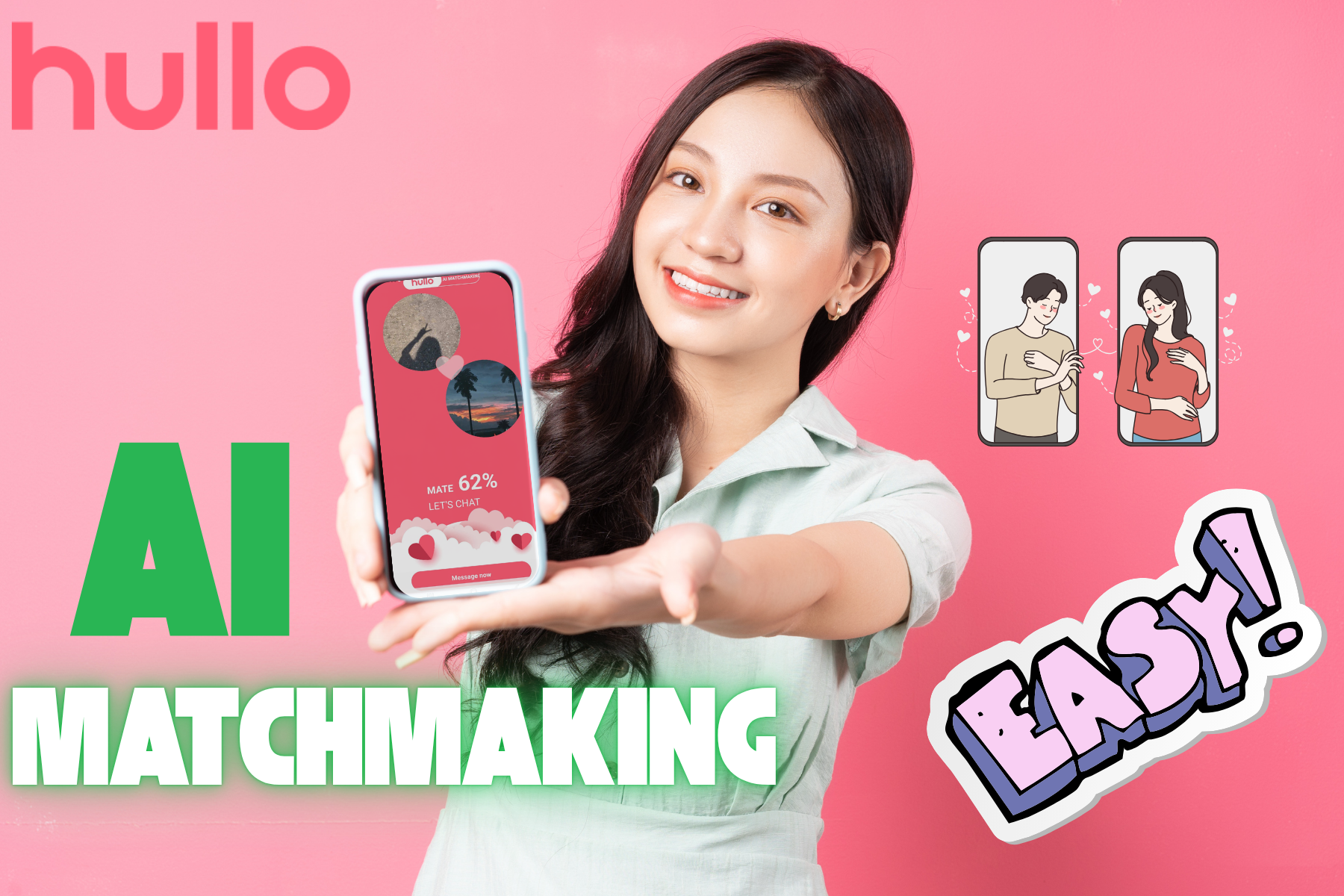
AI Dating Trends 2026: From Swiping to Intentional Matching
One of the most vital AI dating trends 2026 is the move from simple swiping to intentional matchmaking. To grasp this change, we must look at how old apps worked.
The Shift To Quality
In older apps, success meant high volume. More matches meant the app looked busy and popular. However, this old model ignored the actual results. It did not care if those matches led to a real date. Today, the global focus is shifting from simple quantity to high quality.
Artificial intelligence plays a brand new role in this massive change. Instead of showing you random local faces, it tries to understand you deeply. The system looks at your long term goals. It checks how you chat and what you value. According to a McKinsey report on artificial intelligence, smart tools are now built to support human choices. They no longer try to automate everything completely.
How AI Guides Users Today
This tech update means dating platforms now guide you before a match even happens. To truly understand what is matchmaking in the modern world, you must see its new limits. It is no longer about throwing two random people together in a chat room.
Smart systems help you find clarity. They ask what you truly want in a partner. Also, they help you build a better online profile. By spotting bad matches early, the app saves your valuable time. Acting as a digital coach, the system gives you more confidence in your romantic search.
The future of digital romance relies on intentional matching. AI dating trends 2026 focus purely on helping users state their goals and improve their chats. By walking away from endless swiping, artificial intelligence acts as a personal matchmaker. It analyzes shared values to ensure that every new match has a high chance of real world success.
Why Swipe Based Dating Is Losing Effectiveness Today
Swipe dating once felt very fast and highly exciting. Yet, its deep mental limits are becoming much harder to ignore today.
The Problem Of Decision Fatigue
One of the biggest issues facing modern singles is severe decision fatigue. When you look at hundreds of faces every day, choosing becomes very hard. The human brain cannot handle so many options at once. Giving people infinite choices actually makes them freeze.
Another huge problem is the focus on shallow physical attraction. Swiping forces very fast choices based only on edited photos. You do not get enough context to see if you actually match. This leads to connections that look great at first. Sadly, they fall apart the minute a real chat begins.
Shallow Chats And Emotional Burnout
Conversation quality on old platforms is dropping fast. Many users report boring chats that rarely go past a simple hello. The Pew Research report mentioned earlier notes that users feel totally overwhelmed. At the same time, psychology experts explain how dating apps cause deep mental stress. Dealing with constant ghosting ruins your peace of mind.
Interestingly, repetitive swiping acts like a simple mobile game. It gives you a fake sense of control. You feel like you are actively dating. In reality, you are just sorting photos alone in your room. It lacks any real emotional depth.
If you are ready to leave swipe games behind, you need a smarter tool. You can find better local matches by visiting Hullo today. This platform values your time and your mental health.
What Hullo Data Reveals About Attraction Behavior
Modern AI dating trends 2026 are not just wild tech theories. They are built firmly on real, daily user habits. Watching exactly how people act helps developers build much better platforms for everyone.
Data On Clear Profiles
When digital profiles are highly specific, they send very strong social signals. These bright signals help other people engage with you easily and confidently. Dating simulations often train users to state their needs clearly. Real life dating also needs this exact type of absolute clarity.
Dating Insight: According to Hullo data, users who stop rapid swiping and focus on deep profiles get significantly better results. When you look closely at the engagement numbers, the power of intention is entirely clear.
| User Behavior Style | Average Reply Rate | Chat Quality | Burnout Level |
| Writing Custom Messages | 76% | Excellent | Very Low |
| Using Clear Bio Signals | 64% | Very High | Low |
| Generic Swiping | 12% | Poor | Extremely High |
Real Numbers Show The Truth
These specific habits reveal a vital truth about human attraction. People naturally respond to high effort. A clear profile removes the awkward guessing game completely.
The main lesson here is very simple. Specific details actively build strong attraction. Trying to look perfect for everyone actually ruins your chances of finding a real match. The most effective plan is to combine clear goals with an honest voice. You must show the world exactly who you are.
How AI Dating Trends Are Redefining Modern Dating Apps
AI dating trends are fundamentally changing how dating apps operate today. Instead of focusing only on matching two random people, platforms are now actively improving how users present themselves and interact.
Optimizing Profiles And Communication
Artificial intelligence can help optimize profiles by suggesting clearer descriptions and highlighting highly meaningful traits. Furthermore, it can analyze behavioral patterns such as response timing and conversation depth to improve future communication outcomes. According to the Harvard Business Review, AI driven personalization significantly enhances the overall user experience by perfectly aligning services with individual human needs.
However, there is a growing gap between simple digital engagement and real romantic outcomes. Many older apps still prioritize vanity metrics like total swipes and sent messages rather than focusing on meaningful human connections.
“Most dating apps optimize for activity, but activity doesn’t always lead to meaningful connection.” – Sam Tran, Founder of Hullo

Quality Over Quantity
This specific insight highlights a core structural issue in modern dating design. High screen activity does not guarantee better real world relationships. Instead, better mutual understanding and highly improved communication do.
For a much deeper understanding of how this specific platform works, you can explore the introduction to Hullo to see intentional design in action.
Furthermore, new technological features like integrated voice interaction are also rapidly emerging as much stronger signals of natural attraction. As explored deeply in how voice affects attraction in online dating, vocal tone and subtle personality cues can easily create much deeper emotional connections than basic text alone.
Ultimately, AI dating trends in 2026 are shifting heavily toward intentional matchmaking. This is where artificial intelligence helps users clarify their romantic goals, improve their daily communication, and build much deeper connections instead of simply increasing their total match count.
How AI Dating Trends 2026 Are Redefining Modern Dating Apps
The latest AI dating trends 2026 are completely changing how apps work behind the scenes. Instead of focusing on match volume, platforms want to improve your daily chats.
Better Profiles Bring Better Dates
Artificial intelligence actively helps you build a strong profile. It suggests clearer words to describe your life. The system highlights your best personality traits naturally. Also, it looks at how fast you reply to messages. According to the Harvard Business Review, AI design greatly improves the user experience by matching services to exact personal needs.
To fully grasp the massive perks of this new tech, you must explore the benefits of AI matchmaking. Smart tools completely remove the heavy burden of manual sorting. You simply log in and see highly compatible people instantly.
The Gap Between Swipes And Love
However, there is still a big gap between screen time and real romance. Many older apps still care too much about daily swipe numbers. They do not care about your actual happiness. High screen activity never guarantees a good relationship. Instead, mutual understanding creates real love.
New tech features like voice notes are emerging as great tools. Hearing a real human voice creates instant trust. A gentle tone tells you much more than a plain text message ever could.
AI Dating Trends 2026 vs Traditional Dating Apps
As AI dating trends 2026 grow rapidly, the difference between new platforms and old apps is highly visible. Knowing this divide is crucial for anyone seeking serious love.
Comparing The Core Features
Traditional apps want to keep you glued to your phone screen. Their design relies on fast choices and visual thrills. This creates highly addictive, dopamine driven habits. You keep swiping because the system acts like a slot machine.
In sharp contrast, smart platforms focus heavily on choice quality. Instead of pushing more random options onto your screen, they guide you calmly. To see exactly how these two ideas clash, you must review AI matchmaking vs traditional dating rules. This big transition leads to fewer total matches. However, it provides much more compatible connections.
| App Feature | AI Dating Trends 2026 | Traditional Swipe Apps |
| Main Logic | Intent-based | Photo-based |
| User Habit | Reflective | Reactive |
| Chat Style | Personal & Clear | Generic & Boring |
| Match Result | Real Connection | Shallow Chat |
| Main Goal | Long Term Love | Daily Screen Time |
Long Term Value Vs Short Term Fun
The shift is simple but very important. Swipe apps optimize strictly for busy activity. On the other hand, AI platforms optimize strictly for real romantic outcomes. Over time, this massive difference changes your whole dating life. One way creates short term stress. The other way actively supports healthy, lasting love.
Real Examples of AI Dating Trends 2026 in Action
The true power of AI dating trends 2026 becomes clear when we look at daily behavior. When apps change their rules, humans adapt fast to get better results.
Good Bios Get More Replies
Users who write clear descriptions get much better responses. According to public data, users struggle deeply with blank profiles. A profile with just one emoji makes it very hard to start a chat. Conversely, when a system asks you to list your favorite local park, it gives others an easy opening line.
Smart Prompts Fix Boring Chats
Instead of sending a lazy greeting, smart users mention shared hobbies. Internal app insights show that specific questions boost engagement greatly. AI tools now gently remind users to read the whole profile. They suggest fun topics based on shared local interests.
Many modern apps also suggest deep questions to keep chats alive. Structured prompts massively increase chat depth. They severely cut down on dead conversations. By removing boring small talk, AI allows couples to talk about meaningful things right away.
Why Bio and Self Presentation Matter More Than Ever
Because intentional matching is taking over, your self presentation is highly vital. You can no longer hide behind a few filtered photos.
Photos Are Not Enough Anymore
In the past ten years, written bios were treated as an option. Photos did all the heavy lifting. Today, that old rule is dead. Users desperately want to know your core values before they say hello. They want to see your communication style.
A well written bio acts as a brilliant, natural filter. It attracts the right people easily. At the same time, it naturally pushes away bad matches. This proactive filtering reduces bad dates and massive frustration.
Using Smart Tools For Your Profile
Advanced tools now actively help you write much better bios. Instead of generating boring text, they guide you. They tell you to focus on clear romantic intentions. This aligns perfectly with modern trends where clarity beats flashy looks.
If you want to ensure your profile sends the absolute best signals, you need help. You can easily optimize your personal introduction by using the Hullo AI Bio Generator today. This smart tool highlights your genuine personality naturally.
Why More Young People Are Choosing Intentional Platforms
As global habits change fast, younger users want smarter apps. Gen Z and younger millennials are very protective of their daily mental health.
Gen Z Wants Real Bonds
Unlike old apps that feel like mobile games, modern platforms focus on real matching. They combine deep insights with user clarity. They create a highly structured and meaningful dating space. Instead of throwing endless options at you, they ask what you want first.
This highly structured plan aligns nicely with what young users seek today. They are not just looking for cheap digital validation. They want a genuine, lasting human bond. Most importantly, they refuse to waste their free time on shallow people. They demand absolute honesty from the technology they use.
Focus On Mental Health
Furthermore, smart platforms add features that actively support mental peace. Guided bios and voice notes reduce social friction. They make it incredibly easy to start a chat without feeling nervous. Young users appreciate tools that lower their daily anxiety levels.
If you are totally ready to join the intentional dating movement, you must upgrade your apps. You can Download Hullo right now to experience the cutting edge of modern romance safely.
Tips to Adapt to AI Dating Trends in 2026
As AI dating trends 2026 reshape the whole industry, you must change your habits. You cannot use old swiping tricks on new platforms and expect to win.
State Your Goals Clearly
First, start by being incredibly clear about your exact intentions. Knowing what you want makes it much easier for the system to help you. If you want a serious marriage, state that clearly today. If you just want a local running partner, put that in your bio immediately.
Next, focus heavily on your written words. A short, specific profile always beats a vague one. Highlight a few deeply defining traits instead of telling your whole life story. Give the smart algorithm clear data points to use.
Prioritize Real Compatibility
Your daily chat style also matters deeply. Use highly specific questions instead of boring openers. This shift in effort drastically boosts your chances of getting a reply.
Additionally, do not over optimize your profile. You do not want to sound like a cold robot. While tech tools can guide you, your true voice is still essential. Real people respond to a genuine personality much better than perfect grammar.
Finally, prioritize deep compatibility over sheer volume. Getting fifty matches does not mean you will find love. Fewer, highly aligned connections are vastly more valuable in the long run.
What This Means for the Future of Dating
The current path of AI dating trends 2026 suggests a permanent shift. The era of the endless, mindless digital swipe is rapidly dying out.
Apps As Smart Tools
Instead of acting as simple mobile games, dating apps are becoming smart support tools. They are specifically built to help you make better choices. This shift matches global changes in how technology influences our daily lives. According to reports from the World Economic Forum, AI is increasingly shaping how we talk and interact safely.
In the dating world, this means future apps will focus on emotional alignment. The main goal is no longer just putting two random people in a chat. The goal is to actively help them connect better on a pure, human level.
A Calmer Way To Find Love
The future of dating is highly intentional and very calm. The focus is permanently shifting from frantic speed to clear intention. Instead of chasing more screen matches, users are finally learning to choose wisely. This beautiful change is driven by a deep cultural anger toward shallow dating rules.
Intentional matchmaking represents a much more healthy approach to love. It encourages you to reflect deeply and communicate clearly. In the end, the true future of dating is not about having a million options. It is entirely about choosing the absolutely right person for your life.
People Also Ask
What are the main AI dating trends 2026?
The core trends focus heavily on intentional matching. Modern apps use smart tech to help users clarify their goals. They look at behavioral compatibility to improve daily chats instead of just increasing match volume.
Is smart technology actually making dating better?
Yes, smart tools greatly improve modern dating. They enhance profile clarity and suggest much better conversation topics. By finding strong compatibility markers, algorithms help you find highly relevant matches easily.
How do modern intentional dating apps function?
Highly advanced apps actively analyze your behavior and personal preferences. They use this deep data to suggest much more relevant local matches. This completely moves the focus away from superficial photo swiping.
Are traditional swipe apps losing their popularity?
While swipe apps are still used globally, a massive number of users feel highly angry with their bad results. Consequently, singles are actively moving to intentional, smart alternatives to find serious, lasting relationships safely.