Why Couples Grow Apart Over Time
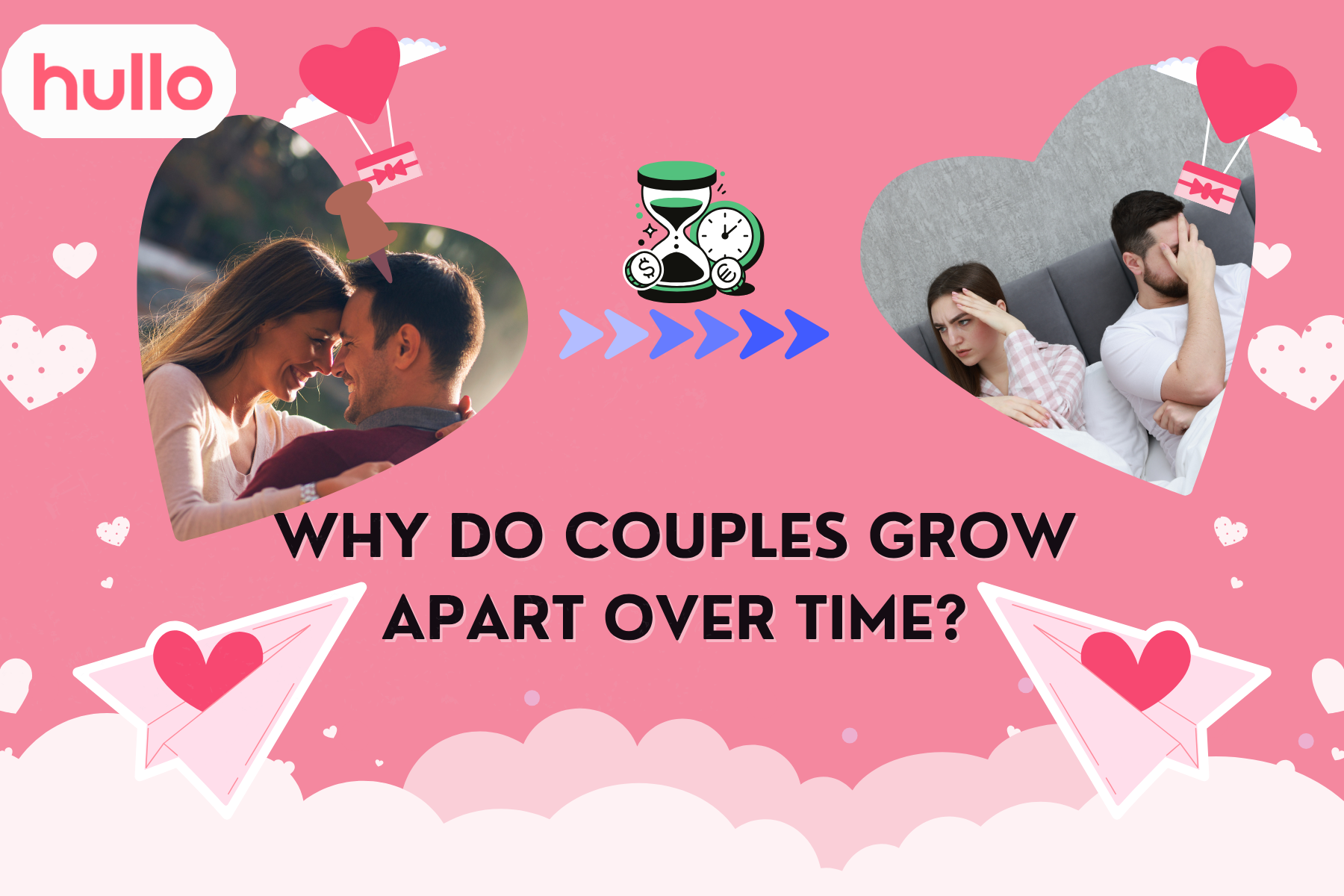
It’s easy to assume that relationships fail because of major conflicts, but in reality, most relationships drift apart gradually. Understanding why couples grow apart over time starts with recognizing how small changes compound.
At first, curiosity drives connection. You want to learn everything about each other. But as time passes, curiosity often gets replaced by routine. Conversations become repetitive, and emotional check-ins become less frequent. This shift creates what psychologists call “emotional drift.”
For example, one partner may take on a demanding job and have less time to connect. The other may start focusing on personal growth or new social circles. Neither change is wrong, but without communication, both partners slowly move in different directions.
Couples grow apart when emotional connection weakens due to poor communication, changing priorities, and lack of shared growth over time.
Research supports this pattern. According to the American Psychological Association, over 60% of couples report a decline in communication quality after two years of being together.
At the same time, behavioral data from Hullo shows that users who maintain consistent, meaningful conversations within the first month are 38% more likely to sustain long-term relationships. This highlights a key truth: connection is not built once, it must be maintained continuously.
Signs Couples Are Growing Apart
Recognizing the signs couples are growing apart can help prevent long-term disconnection. The challenge is that these signs often appear subtle at first.
One of the earliest signs is a decline in meaningful conversation. You may still talk daily, but the depth is gone. Conversations shift toward logistics instead of emotions. Over time, this creates a feeling of emotional loneliness even when you are physically together.
Another common sign is avoidance. Instead of looking forward to time together, partners may start preferring solitude or external distractions. You might notice moments like sitting side by side but scrolling on your phones instead of talking. Or sending a simple “goodnight” text instead of having a real conversation.
Emotional sharing also fades. When something important happens, you may no longer feel the urge to tell your partner first. That instinctive connection starts to weaken.
These small patterns are often how couples grow apart without realizing it. The relationship still exists, but the emotional bond that sustains it slowly disappears.
The Hidden Causes Behind Emotional Distance
To fully understand why couples grow apart, it’s important to look beyond surface-level behaviors and examine deeper causes.
Emotional neglect is one of the most common factors. This doesn’t always mean intentional neglect. It often happens when both partners assume the relationship is stable and stop actively nurturing it.
Another hidden cause is assumption. Instead of asking questions, partners begin to assume how the other feels. This leads to misunderstandings and unresolved tension.
Different life directions also play a major role. Personal growth is healthy, but when partners grow in incompatible ways without communication, emotional distance increases. This is why understanding how dating nearby instead of long distance can strengthen emotional connection is essential for maintaining long-term closeness.
Comparison: Healthy vs Growing Apart
| Healthy Relationship |
Growing Apart |
| Open communication |
Avoiding important topics |
| Shared goals |
Separate priorities |
| Emotional safety |
Emotional distance |
The difference is not always dramatic, but over time, these patterns define whether a relationship strengthens or weakens.
Can Couples Grow Back Together?
If couples grow apart, does that mean the relationship is over? Not necessarily.
Many relationships can recover, but it requires awareness and intentional effort from both partners. The first step is recognizing that distance exists. Without that awareness, nothing changes.
The second step is willingness. Both people must want to reconnect, not just maintain the relationship out of habit or comfort.
Finally, rebuilding connection requires action. This includes having honest conversations, creating shared experiences again, and relearning each other’s emotional needs.
Couples grow apart gradually due to communication breakdown, emotional neglect, and life changes. However, relationships can recover through intentional effort, shared experiences, and emotional reconnection strategies.
The key is understanding that reconnection is not about returning to the past. It’s about creating a new version of the relationship that fits who both partners are today.
How to Stop Couples Growing Apart
Preventing emotional distance requires consistent effort. When couples grow apart, it’s often because connection was no longer prioritized.
One of the most effective ways to rebuild connection is to reintroduce intentional communication. This doesn’t mean talking more, but talking better. Asking meaningful questions and truly listening can restore emotional intimacy.
Scheduling regular emotional check-ins can also help. Setting aside time each week to talk about feelings, goals, and experiences keeps both partners aligned.
Shared experiences are equally important. These don’t have to be elaborate. Something as simple as a weekly no-phone dinner can create space for real connection. Another effective habit is asking one meaningful question each day, which encourages curiosity and emotional engagement.
Daily appreciation also plays a powerful role. Expressing gratitude for small things can shift the emotional tone of a relationship and reinforce connection.
If you want to build deeper emotional compatibility from the start, Hullo helps match you based on real personality and communication style: hullo.dating
These habits may seem small, but over time, they create the consistency needed to prevent relationships from drifting apart.
How Dating Apps Influence Emotional Connection
Modern dating culture also plays a role in how couples grow apart. The way relationships start can influence how they evolve.
Traditional swipe-based apps often prioritize instant attraction and fast decisions. This creates a dopamine-driven experience where users chase novelty rather than depth. Over time, this can affect how people approach real relationships, making it harder to sustain emotional connection.
In contrast, platforms that focus on emotional compatibility encourage slower, more meaningful interactions. Instead of endless options, they emphasize quality conversations and shared values.
Data supports this shift. According to Pew Research Center, nearly 70% of Gen Z users report experiencing dating app fatigue due to superficial interactions and unrealistic expectations.
This highlights an important insight: how a relationship begins can shape its long-term stability. When connection is built on depth rather than speed, it is more likely to last.
Experience more natural conversations before meeting with Hullo First Voice, helping you connect through real emotions: hullo.dating/ai-bio-generator