Choosing a free dating app sounds simple, but most users quickly realize not all free apps offer the same experience. At first glance, every platform looks similar. However, once you start using them, the differences become clear.
There are simply too many options today. As a result, users often feel overwhelmed and unsure which app is actually worth their time. Some apps promise free access but limit key features. Others allow matching but restrict communication.
In reality, many platforms advertise themselves as a free dating app, yet users cannot send messages freely or even see who liked them without paying. This creates frustration and leads to poor user experiences.
According to Statista, millions of people use dating apps globally. However, churn rates remain high. This means many users leave after a short time. The main reason is simple: the experience does not meet expectations.
A free dating app allows users to match and connect without paying upfront. However, not all apps offer equal access to communication or visibility. Choosing the right app depends on how it supports real interaction.
Types of Free Dating Apps You Can Choose From
Not every free dating app works the same way. In fact, most platforms fall into three main categories. Understanding these types helps you make better decisions.
Swipe-based free online dating platform
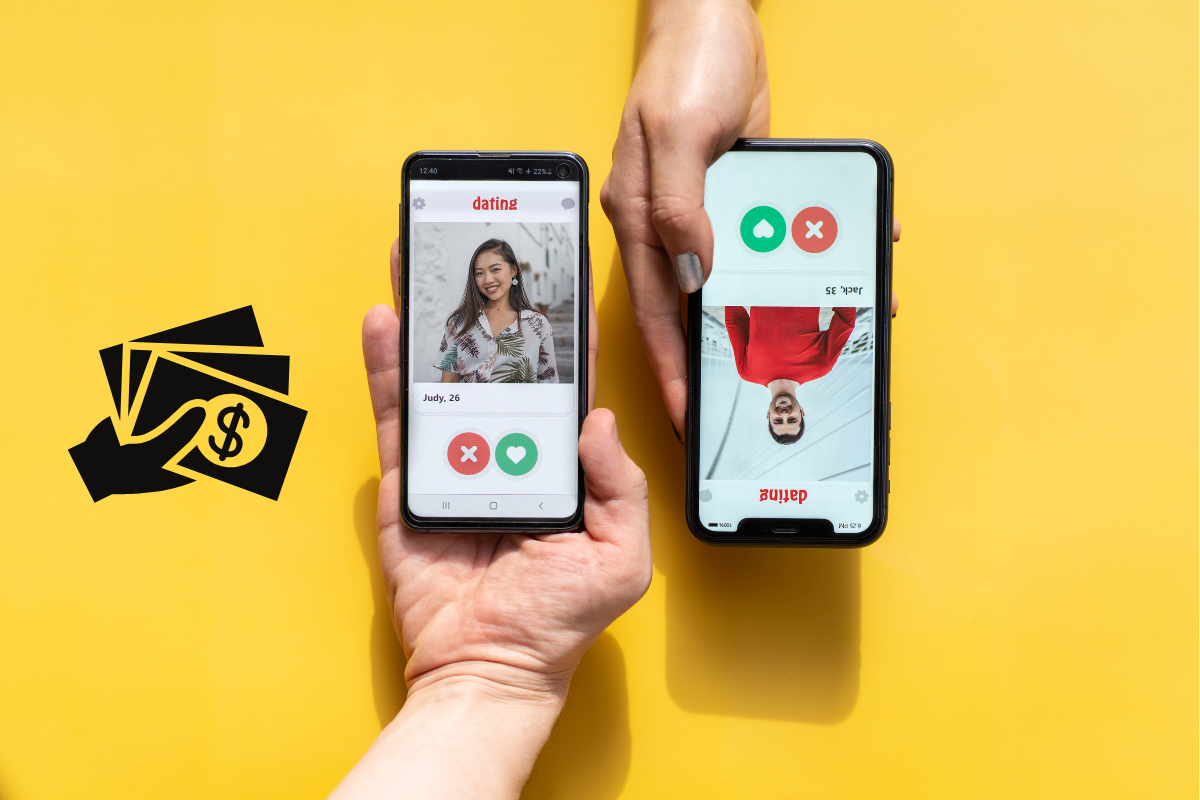
Swipe-based apps are the most common type of free dating app. Platforms like Tinder made this model popular. Users simply swipe left or right to match.
This approach is fast and easy to use. It works well for casual browsing. However, it often leads to shallow connections. Many users report low conversation rates after matching.
According to Business of Apps, Tinder users generate millions of matches daily. Yet, only a small percentage turn into meaningful conversations. This shows that speed does not always lead to quality.
Freemium dating apps
Freemium platforms also present themselves as a free dating app, but with clear limitations. Users can match, but messaging is often restricted.
For example, you may need to pay to:
- Send messages
- See who liked you
- Boost visibility
As a result, users experience a gap between matching and actual interaction. Many matches never turn into conversations.
AI-driven free dating apps
A newer type of fully free dating platform focuses on AI and behavior-based matching. Instead of endless swiping, these platforms analyze user intent, preferences, and communication patterns.
The main goal is simple: improve conversation quality. Rather than maximizing matches, they focus on compatibility and engagement.
According to Hullo data, users who receive AI-guided matches are more likely to start conversations. This reduces wasted time and improves overall experience.
There are three main types of free dating apps: swipe-based apps, freemium platforms with limited messaging, and AI-driven apps focused on meaningful connections.
What Actually Matters in a Free Dating App
When choosing a free dating app, features alone are not enough. Instead, you need to focus on what truly impacts your experience.
Messaging freedom
First, check whether the app allows free messaging. Some apps limit daily messages or lock conversations behind paywalls.
A true free dating app should allow users to communicate without restrictions. Otherwise, matches become meaningless.
Match quality vs quantity
Many swipe-based platforms prioritize quantity. You may get many matches, but few meaningful interactions.
In contrast, AI-driven systems focus on quality. They suggest fewer matches, but those matches are more relevant. This leads to better conversations.
Algorithm fairness
Another important factor is fairness. Some platforms prioritize paying users. As a result, free users receive less visibility.
This creates an uneven experience. Even if your profile is strong, you may still struggle to get matches.
Real user experience
Finally, consider overall usability. Is the app easy to navigate? Does it feel natural to use?
According to Pew Research, many users report frustration with dating apps. Common complaints include ghosting and low-quality matches. This shows that user experience matters more than features alone.
Why Some Free Dating Apps Perform Better
Many people assume that success depends on whether an app is free or paid. However, this is not entirely true. In reality, performance depends more on how the platform supports user behavior.
According to Hullo data, users who start conversations with personalized messages see a 2.3x higher reply rate. This means the way you communicate matters more than how many matches you get.
In addition, profiles that clearly express personality and intent lead to 40 percent higher conversation continuation rates. This shows that profile quality plays a major role in success.
However, user behavior alone is not enough. The system must also support meaningful interaction. For example, apps that encourage real conversations often perform better than those focused on swiping.
This aligns with broader industry insights. According to McKinsey, personalization and user experience are becoming key drivers in digital platforms. Dating apps are no exception.
In short, the best free dating app is not the one with the most features. Instead, it is the one that helps users interact more effectively. Strong profiles, better prompts, and smarter matching systems all contribute to better outcomes.
If you want to understand what users actually expect from a free dating app, explore this comparison: free chat vs paid dating apps
Real User Scenarios: Choosing the Right Dating Platform
Choosing a free dating app becomes much easier when you understand how different users experience each type of platform. Not every app works the same way, and more importantly, not every user has the same goal.
Casual swiper using swipe-based dating apps
A casual user often chooses a swipe-based free dating app. The experience feels fast and engaging at first. You can get many matches in a short time. However, most of these matches do not lead to real conversations.
According to Stanford research on online dating, many connections start online, but conversation depth remains a challenge. This explains why casual swiping often leads to low engagement despite high match volume.
Serious users looking for meaningful connections
A more serious user looks for something different. Instead of endless swiping, they want meaningful connections. For this reason, they often prefer a free dating app with AI matching and open messaging.
These platforms focus on compatibility rather than volume. As a result, users experience fewer matches but better conversations. Hullo data shows that structured matching and guided interaction significantly increase engagement quality.
Budget-conscious users choosing no-cost dating platforms
Some users simply want a free dating app without paying anything. They are not interested in premium upgrades. Instead, they look for platforms that provide full access from the start.
In this case, the key factor is not features, but accessibility. A fully open system allows users to explore connections without pressure. There is no single “best free dating app” for everyone. Instead, the right choice depends on your goals, expectations, and how you prefer to interact.
How to Choose the Best Free Dating App
Selecting the right free dating app requires more than just downloading the most popular option. Instead, you need a clear strategy.
Define your goal before choosing
First, decide what you want. Are you looking for casual interactions or something serious? Short-term connections require different features compared to long-term relationships.
For example, swipe-based apps work well for casual use. Meanwhile, AI-driven platforms are better for deeper connections. Clarifying your goal helps you avoid wasting time.
Check communication limits first
Next, examine how messaging works. Many apps restrict communication unless you pay. This creates friction and reduces the chance of real interaction.
A strong free dating app should allow users to message without limits. Otherwise, matches lose their value.
If you want a free dating app where you can message without restrictions, you can explore Hullo here: hullo.dating
Evaluate the matching system
Not all matching systems are equal. Swipe-based apps prioritize speed, while AI systems focus on compatibility.
According to McKinsey, personalization is becoming a key driver in digital platforms. This trend is especially relevant in dating apps.
As a result, AI-driven matching often leads to better outcomes.
Test real interaction quality
After choosing an app, test how conversations actually feel. Do people respond? Are interactions meaningful?
Hullo data shows that users who engage with personalized prompts see a 2.3x higher reply rate. This highlights the importance of interaction quality, not just matching.
If you’re comparing free dating app options, Hullo focuses on real conversations instead of paywalls. Learn more here: free chat vs paid dating apps
Avoid hidden upgrade traps
Finally, be careful with hidden costs. Some apps appear free but require payment for essential features.
Always check:
- messaging limits
- visibility restrictions
- upgrade prompts
A transparent free dating app should clearly show what is included.
The Future of free online dating platform
The concept of a free dating app is evolving. Platforms are moving away from aggressive monetization and toward better user experiences.
Less reliance on paywalls
Many apps are reducing paywalls. Instead, they focus on user satisfaction and retention. Transparency is becoming more important.
Users today expect clarity. If an app hides key features behind payment, trust quickly drops.
AI-first dating experience
AI is shaping the future of dating apps. Instead of random swiping, platforms now use behavior and intent to suggest matches.
According to McKinsey, AI-driven personalization is transforming consumer apps. Dating platforms are adopting this approach to improve engagement.
This shift helps users find better matches with less effort.
User demand for fairness
Fairness is becoming a major factor. Users want equal visibility and equal opportunity to connect.
Platforms that prioritize fairness over profit are gaining attention. This reflects a broader change in user expectations.
If you want to try a new generation free dating app focused on real interaction, download Hullo here: hullo.dating/download
Choosing a free dating app is not as simple as it seems. While many platforms claim to be free, the actual experience varies widely.
Some apps focus on volume. Others prioritize monetization. As a result, users often feel frustrated when they cannot communicate freely.
The key insight is clear: a free dating app does not guarantee a good experience. Instead, fairness, accessibility, and interaction quality matter more than price.
According to industry data and Hullo insights, platforms that support real conversations consistently perform better. This shows that meaningful interaction should be the priority.
In the end, the best free dating app is the one that aligns with your goals and allows you to connect without unnecessary barriers.
If you’re looking for a free dating app that prioritizes real connections instead of paywalls, you can try Hullo here: hullo.dating
People Also Ask
What is a free dating app?
A free dating app is a platform that allows users to create profiles, match, and interact without paying upfront. However, some apps limit messaging or visibility, which affects the overall experience.
Are free dating apps really free?
Not always. Many platforms use a freemium model. This means basic features are free, but important functions like messaging require payment.
Is Hullo a free dating app?
Yes. Hullo is designed as a free dating app that provides access to core features without paywalls. Users can match and communicate without needing to upgrade.
How does Hullo improve match quality?
Hullo uses AI and behavioral data to suggest better matches. Combined with conversation-focused features, this leads to higher reply rates and more meaningful interactions.