

Have you ever wondered if the person you’re talking to online is actually real? In today’s dating landscape, that question is more common than ever. With the rise of fake profiles, catfishing, and online scams, trust has become one of the biggest challenges in digital dating. If you want a broader view of platforms that protect users better, see which dating sites prioritize user safety and privacy.
This is where user verification comes in. Modern dating apps are no longer just matching people based on interests or photos. They are actively working to confirm identities, reduce fraud, and create a safer environment for real connections. As more users search how do online dating platforms handle user verification, it becomes clear that verification is no longer optional. It is a core feature that directly impacts whether conversations even begin.
Without strong verification systems, even the best matching algorithms can fail. Because at the end of the day, people do not just want matches. They want to feel safe talking to someone who is genuinely who they claim to be.
What is user verification in dating apps and why it matters
At its core, user verification is the process of confirming that a person on a dating platform is real and authentic. This can involve simple steps like confirming an email address or more advanced methods like facial recognition and identity checks.
The primary goal is straightforward. Dating apps want to reduce scams, eliminate fake profiles, and create a space where users feel comfortable engaging with others. When a profile is verified, it signals credibility. That small badge next to a profile can significantly influence whether someone decides to start a conversation.
More importantly, user verification directly impacts match quality. When users trust that profiles are real, they are more likely to reply, engage, and invest time in conversations. On the other hand, platforms with weak verification systems often see lower engagement due to skepticism and hesitation.
A simple example is the verified badge on many apps. Users tend to prioritize interacting with verified profiles because it reduces uncertainty. It does not guarantee safety, but it creates a baseline level of trust that improves the overall experience.
User verification in dating apps refers to the process of confirming a user’s identity using methods like phone verification, photo checks, and AI-based facial recognition. This helps reduce fake profiles, increase trust, and improve match quality.
How do online dating platforms handle user verification today
So, how do online dating platforms handle user verification in practice? Most modern apps use a layered approach instead of relying on a single method.
At the basic level, platforms start with email or phone number verification. This ensures that each account is tied to a unique contact method. While simple, it already helps reduce spam and bot accounts.
Next comes photo verification. Users may be asked to take a real-time selfie or mimic a pose. The system then compares this image to their profile photos. This step helps confirm that the person behind the account matches the images shown.
More advanced platforms now use AI-based detection systems. These tools analyze patterns such as profile behavior, messaging frequency, and even photo authenticity. Suspicious activity can trigger additional verification steps or account restrictions.
The overall flow typically looks like this: sign up, verify identity, then continuous monitoring. This ongoing process is important because verification is not a one-time event. Users can change behavior over time, and platforms need to adapt.
The key insight here is that user verification today is multi-layered. No single method is enough. Instead, platforms combine several techniques to balance safety with user convenience.
Online dating platforms handle user verification through multi-step processes including phone number confirmation, selfie verification, and AI-based behavioral monitoring to detect fake accounts and ensure authenticity.
Types of User Verification Methods
Online dating platforms employ a variety of verification methods to authenticate the identities of their users. These methods vary in their level of rigor and effectiveness:
1. Profile Verification
- Email verification: Requires users to provide an active email address and click on a verification link sent to that address.
- Phone number verification: Similar to email verification, but uses a mobile phone number to send a one-time passcode.
- Social media verification: Links user accounts to existing social media profiles, using existing data to authenticate identity.
2. ID Verification
- Government-issued ID (e.g., passport, driver’s license): Requires users to submit a photo of their government-issued ID for comparison against facial recognition software.
- Driver’s license selfie: A variation on government-issued ID verification, requiring users to take a selfie with their driver’s license held up to their face.
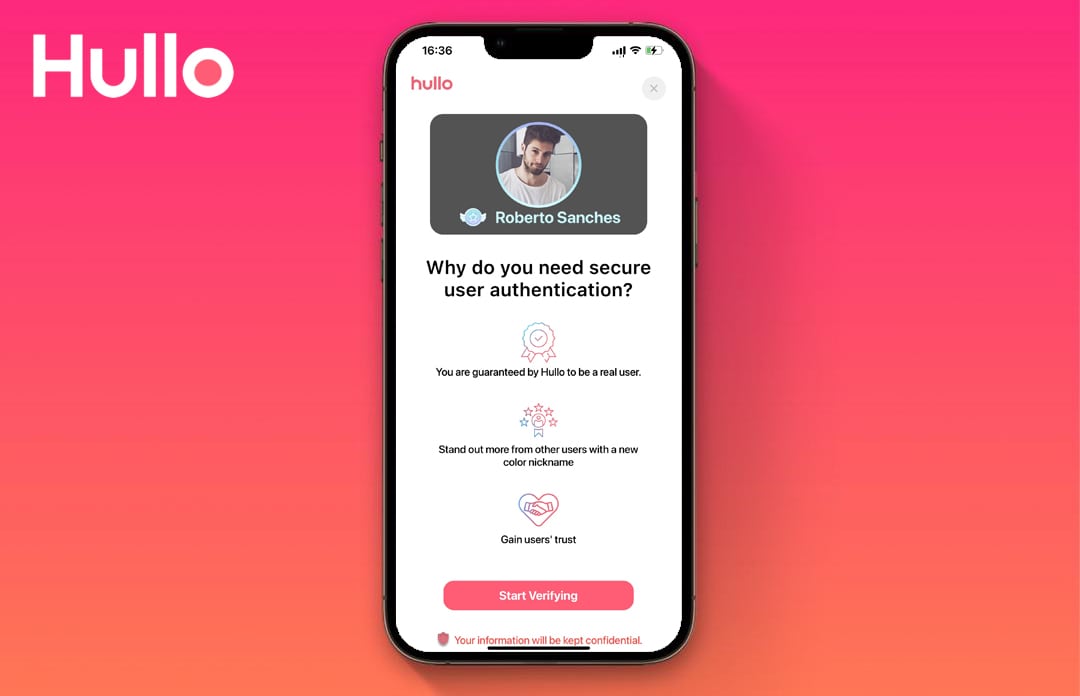
3. Biometric Verification
- Facial recognition: Uses algorithms to match a user’s facial features to images of their government-issued ID or a selfie.
- Liveness detection: Uses AI to verify that a user is a real person, not a bot or image, by detecting head movements and blinking.
4. Behavioral Verification
- Account activity monitoring: Tracks user behavior on the platform, such as message patterns and site usage, to identify suspicious activity.
- Photo analysis: Uses artificial intelligence to analyze user-submitted photos for inconsistencies or signs of photo manipulation.
5. Third-Party Verification Services
- Credit reporting agencies: Partners with credit bureaus to verify user financial information and identify potential fraudsters.
- Background check providers: Offers access to criminal history and other public records to screen users for safety concerns.
Does user verification actually improve match quality
The effectiveness of user verification is not just theoretical. It has measurable impacts on user behavior and match outcomes.
According to internal Hullo data, profiles that are verified or clearly authentic tend to receive significantly higher reply rates. Users are more willing to engage when they feel confident that the other person is real. In many cases, even a small signal of authenticity can increase the likelihood of starting a conversation.
This aligns with broader research. A study by Pew Research Center found that trust is one of the biggest concerns among online dating users. Many respondents reported hesitation in interacting due to uncertainty about profile authenticity. Similarly, data from Statista shows that safety concerns remain a key barrier to deeper engagement on dating platforms.
Behaviorally, users tend to prefer verified profiles even when other factors are similar. This creates a simple but powerful funnel. When trust increases, conversations start more easily. When conversations improve, match quality follows.
The insight is clear. Verification does not just protect users. It actively improves the overall dating experience by making connections feel more real and meaningful.